
Technical bibles
CDL-Tecora's technical bibles are encyclopaedic references on the regulations, standards and measurement techniques that structure the emissions and industrial hygiene industry.
Key facts
- 50 yearsof expertise
- 8technical bibles
- 10+standards covered
- PDFdownloadable
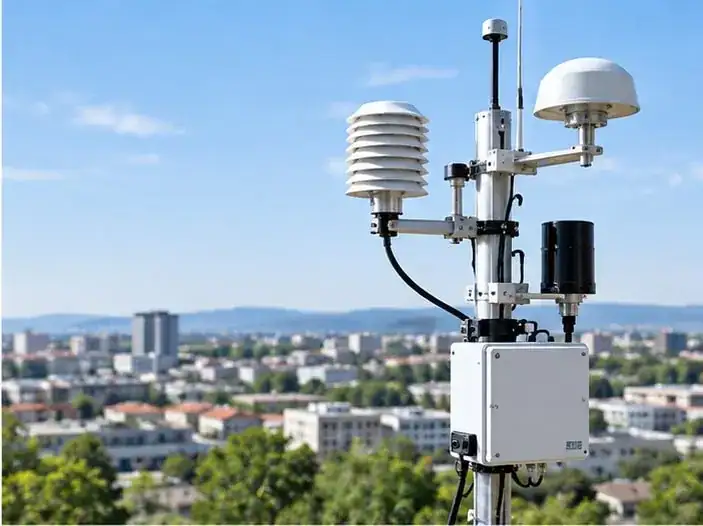
Directive (EU) 2024/2881 on Ambient Air Quality: The Bible of the New European Regulation
What the recast of the European ambient air directive changes: 2030 limit values, alignment with WHO, new pollutants and monitoring networks
Directive (EU) 2024/2881 of 23 October 2024, which entered into force in December 2024, recasts and replaces Directives 2008/50/EC and 2004/107/EC on ambient air quality. It brings European limit values closer to the World Health Organization (WHO) 2021 guidelines by 2030, extends monitoring to new pollutants, strengthens measurement networks and establishes, for the first time, a right to compensation for health damage linked to failures in air quality plans. Member States must transpose it by 11 December 2026 at the latest.
Read the technical bible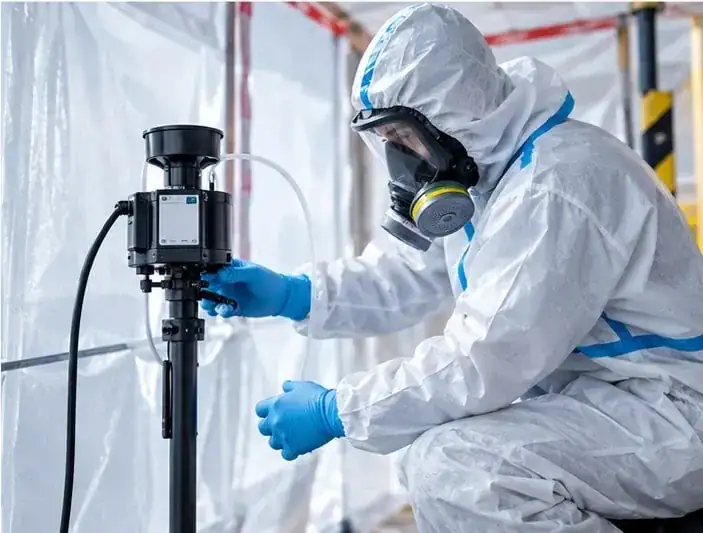
Industrial Hygiene and Asbestos: The Bible of Identification, Sampling and Regulation
Asbestos, dust, crystalline silica, noise and vibration: regulatory framework and workplace measurement methods
Asbestos, banned in France since Decree No. 96-1133 of 24 December 1996 (effective 1 January 1997), remains omnipresent in the existing building stock and imposes strict obligations to survey before works or demolition, as well as standardised sampling and analysis methods (NF X 43-050, NF X 43-269). This technical bible covers the asbestos risk as a whole and extends it to the other industrial hygiene challenges (dust, crystalline silica, noise, vibration, volatile organic compounds) that share the same logic of individual sampling and occupational exposure limits (OELs).
Read the technical bible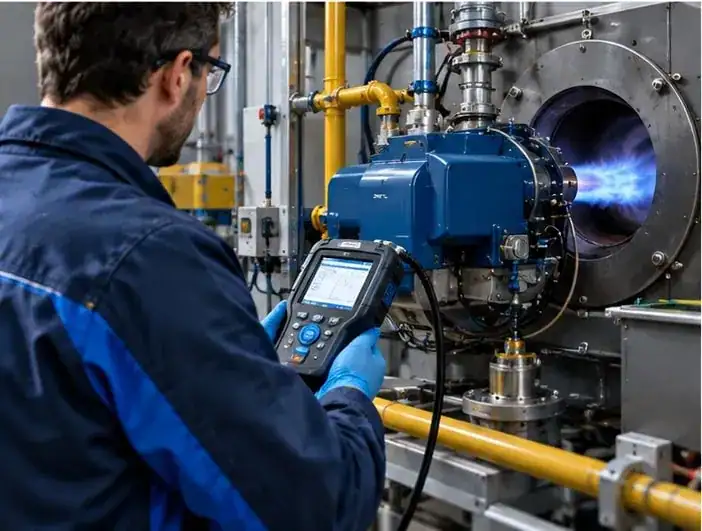
Industrial Combustion: Principles, Measurement and Optimisation
Combustion physical chemistry, air/fuel ratio, residual oxygen and gas quality: the technical bible for optimising combustion processes
Industrial combustion is an oxidation reaction between a fuel and the oxygen in the air, and mastering it determines both the energy efficiency of an installation and its level of polluting emissions (CO, NOx, unburnt matter, and indirectly dust, metals and dioxins). Continuous measurement of residual oxygen in the flue gas (by zirconia probe, paramagnetic cell or electrochemical sensor) remains the most direct control lever for adjusting the air/fuel ratio as close as possible to the optimum, complemented by monitoring of gas quality (calorific value, Wobbe index, combustion air requirement index) on installations sensitive to changes in supply source.
Read the technical bible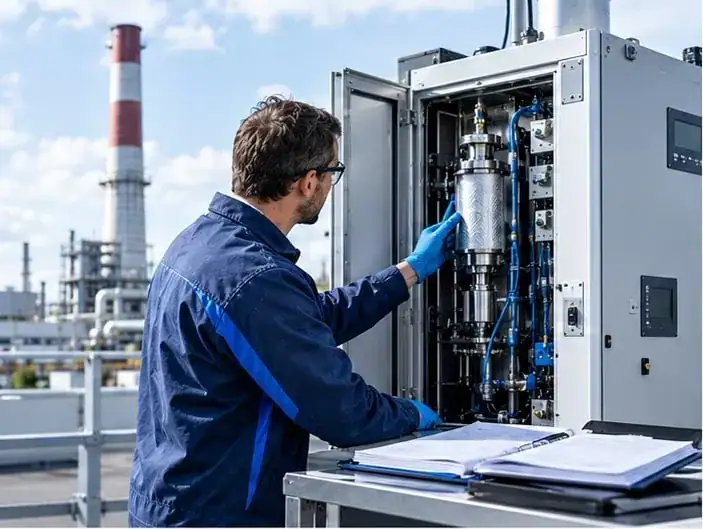
Dioxins and Furans in Industrial Emissions: The Bible of Sampling and Measurement
Chemistry, regulation, sampling methods (EN 1948, USEPA Method 23) and field best practices
Dioxins and furans (PCDD/PCDF) are among the most closely monitored pollutants in industrial emissions: persistent, bioaccumulative organic pollutants that are toxic at very low concentrations, measured as toxic equivalent (TEQ) according to the European reference method EN 1948. This technical bible covers their chemistry, regulation, short- and long-term sampling methods, and implementation best practices.
Read the technical bible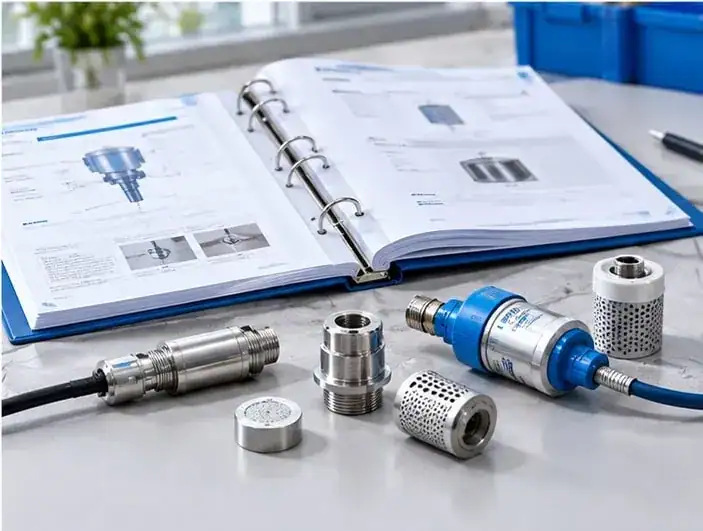
Glossary of Instrumentation and Industrial Emissions
All the technical terms of emissions sampling, measurement and regulation explained simply
This glossary brings together and defines the technical terms most frequently encountered in the sampling, analysis and regulation of industrial emissions and occupational hygiene: from the principle of isokinetic sampling to the QAL1-3/AST quality assurance levels, including regulated pollutants (dioxins, heavy metals, mercury, VOCs, PFAS) and laboratory analysis techniques (GC-MS, ICP-MS, CVAAS...). The terms are grouped by theme rather than alphabetically, to allow progressive reading for anyone discovering the field.
Read the technical bible
IED 2.0: The Revised European Industrial Emissions Directive (2024-2030)
Extended scope, tightened limit values, PFAS, transformation plans: everything about Directive (EU) 2024/1785
IED 2.0 (Directive (EU) 2024/1785 of 24 April 2024) thoroughly revises the 2010 Industrial Emissions Directive: extension of the scope to intensive livestock farming and metal mines, strengthened use of best available techniques (BAT) to set emission limit values, addition of PFAS substances to Annex II, an obligation for transformation plans for large installations and creation of a new European transparency portal on industrial emissions. It entered into force on 4 August 2024 and must be transposed by Member States by 1 July 2026 at the latest.
Read the technical bible
PFAS in Industrial Emissions: Chemistry, Health Issues and Regulation
Understanding per- and polyfluoroalkyl substances, their industrial uses, their routes of emission into air and the regulatory framework under construction
Per- and polyfluoroalkyl substances (PFAS) form a family of several thousand industrial chemical compounds characterised by an exceptionally stable carbon-fluorine bond, which is the origin of their nickname "forever chemicals". Used for decades in textile waterproofing, non-stick coatings, fire-fighting foams and semiconductor manufacturing, they are now the subject of growing regulatory attention regarding their emissions into industrial air, with no internationally harmonised sampling and analysis method yet in existence to date.
Read the technical bible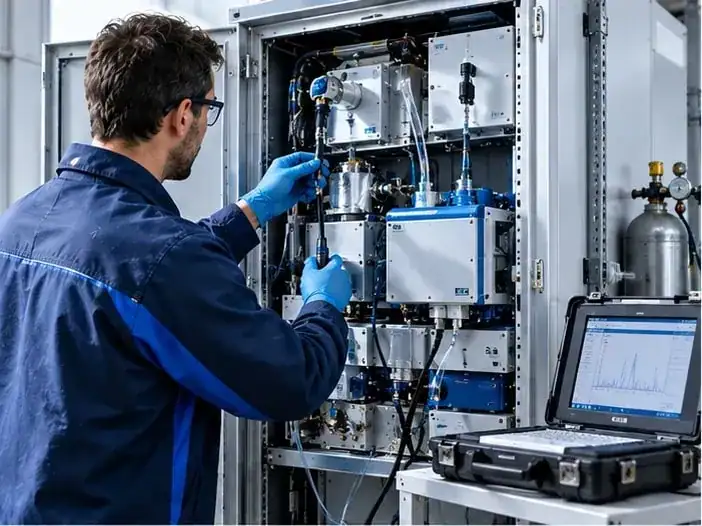
QAL1/QAL2/QAL3/AST Compliance Explained in Detail: CEMS Quality Assurance
The EN 14181 and EN 15267 framework decoded, from choosing the analyser to daily drift monitoring
QAL1, QAL2, QAL3 and AST form the four quality assurance levels of the European EN 14181 framework, which guarantees that the automated measuring systems (AMS/CEMS) installed on industrial stacks produce reliable data traceable to a reference method. QAL1 (via EN 15267) certifies the instrument model, QAL2 calibrates it at the real site by comparison with a manual reference sample, QAL3 monitors its drift daily, and the AST verifies each year that the calibration remains valid. This bible details the practical sequence of each step and the role of manual reference methods in this framework.
Read the technical bibleFAQ
Have questions about our technical bibles? Here are the most frequent answers.
Another question?Does a technical bible replace reading the original regulatory text?
No: each bible popularises and puts into context a standard or a directive to make its operational implementation easier, but the original regulatory text remains the legal reference to consult in case of doubt or dispute.
Who are CDL-Tecora's technical bibles intended for?
For environment/HSE managers, inspection bodies, laboratories and operators who need to understand and apply a measurement standard or an industrial emissions regulation, without being specialist lawyers or metrologists themselves.
Are the bibles updated when a regulation changes?
Yes, they are reviewed when the reference text is revised (e.g. transposition of a European directive, new edition of an EN standard) to remain aligned with the version in force.
Can I get support beyond reading a bible?
Yes: our technical teams can help you apply a standard or a regulatory deadline concretely to your site, beyond the reference content offered in each bible.

Need support beyond reading? Our experts are ready to help.
Personalised advice and a fast quote to apply a standard or a regulatory deadline to your site.