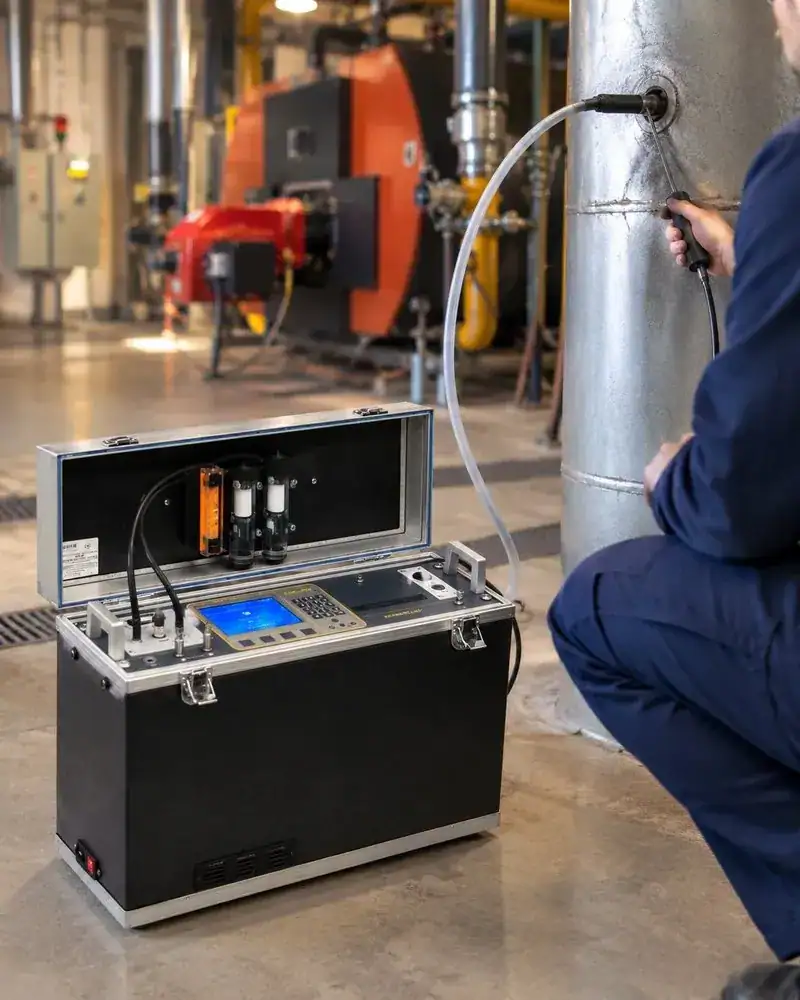
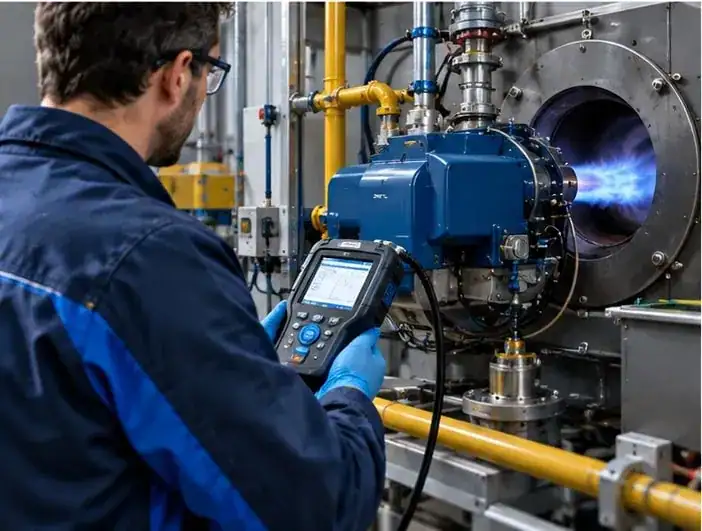
Technician using a portable combustion analyser in front of an industrial burner — CDL-Tecora

Technical bible

Industrial Combustion: Principles, Measurement and Optimisation

Combustion physical chemistry, air/fuel ratio, residual oxygen and gas quality: the technical bible for optimising combustion processes

Industrial combustion is an oxidation reaction between a fuel and the oxygen in the air, and mastering it determines both the energy efficiency of an installation and its level of polluting emissions (CO, NOx, unburnt matter, and indirectly dust, metals and dioxins). Continuous measurement of residual oxygen in the flue gas (by zirconia probe, paramagnetic cell or electrochemical sensor) remains the most direct control lever for adjusting the air/fuel ratio as close as possible to the optimum, complemented by monitoring of gas quality (calorific value, Wobbe index, combustion air requirement index) on installations sensitive to changes in supply source.

Key figures

  • 1 à 3 %Typical residual O2 (natural gas)
  • > 1800 KThermal NOx threshold
  • ≈0.5% per +5% excess airEfficiency loss

The combustion reaction: stoichiometry, excess air and completeness

Industrial combustion is, in its most basic principle, an exothermic oxidation chemical reaction between a fuel (natural gas, fuel oil, coal, biomass, waste) and the oxidiser: most often the oxygen in the air. The so-called stoichiometric air/fuel ratio is the exact proportion, calculable from the chemical composition of the fuel, that allows all of the fuel to be burned with the minimum amount of air needed, with no excess air or residual fuel: the carbon is fully oxidised to carbon dioxide (CO2), the hydrogen to water (H2O), and any sulphur present to sulphur dioxide (SO2).

The air/fuel ratio: efficiency, CO, NOx and unburnt matter

Excess air shows up in the combustion flue gas as a residual oxygen content that can be measured continuously: it is the most widely used control parameter in operation. On an installation running on natural gas, a residual O2 content of around 1 to 3% generally corresponds to a limited excess of air that is nevertheless sufficient to secure complete combustion; the usual orders of magnitude accept that about 3% residual O2 corresponds roughly to 15% excess air for this fuel, the exact relationship depending, however, on the gas composition and burner design.

Measuring residual oxygen: sensor technologies

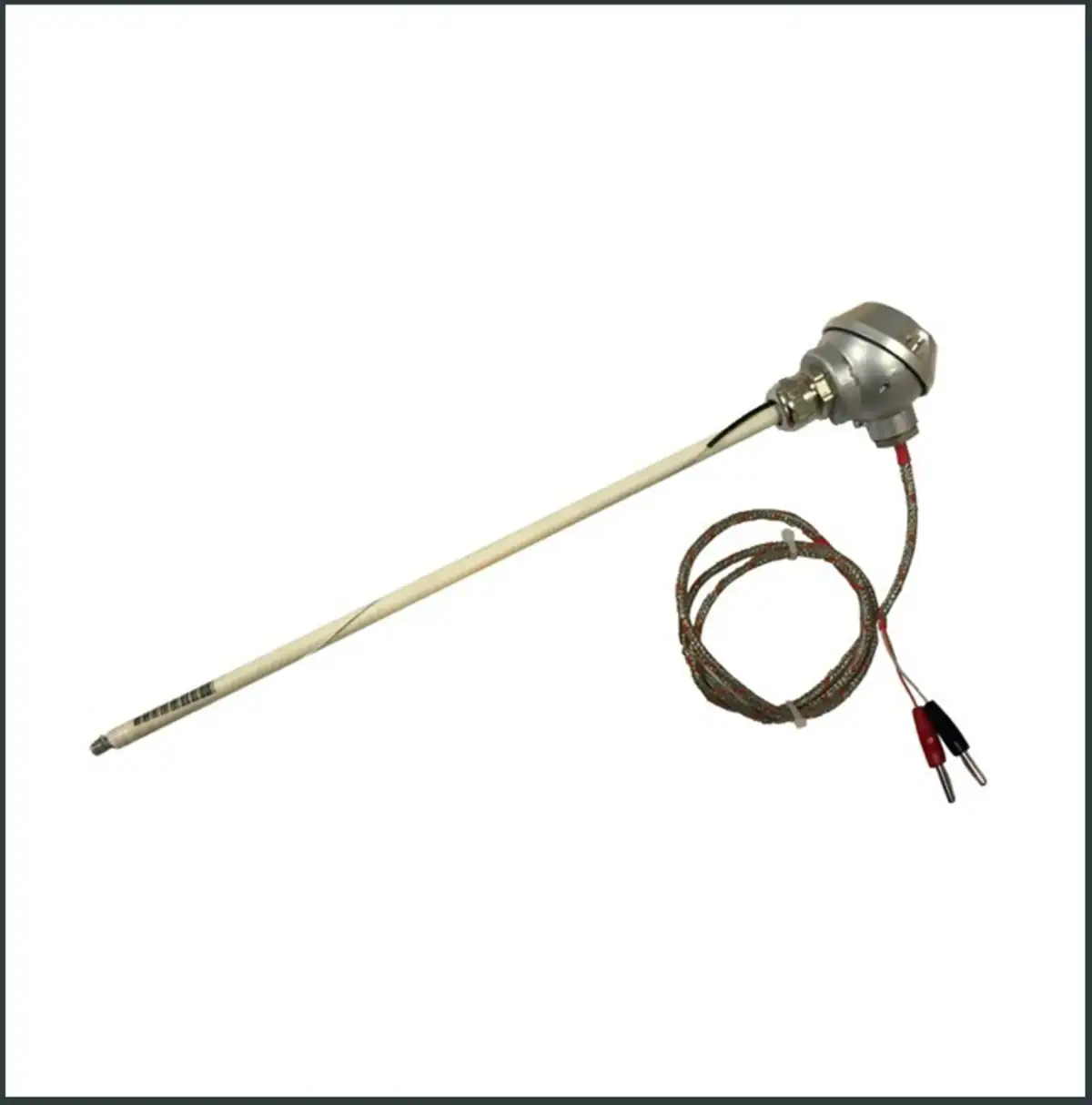
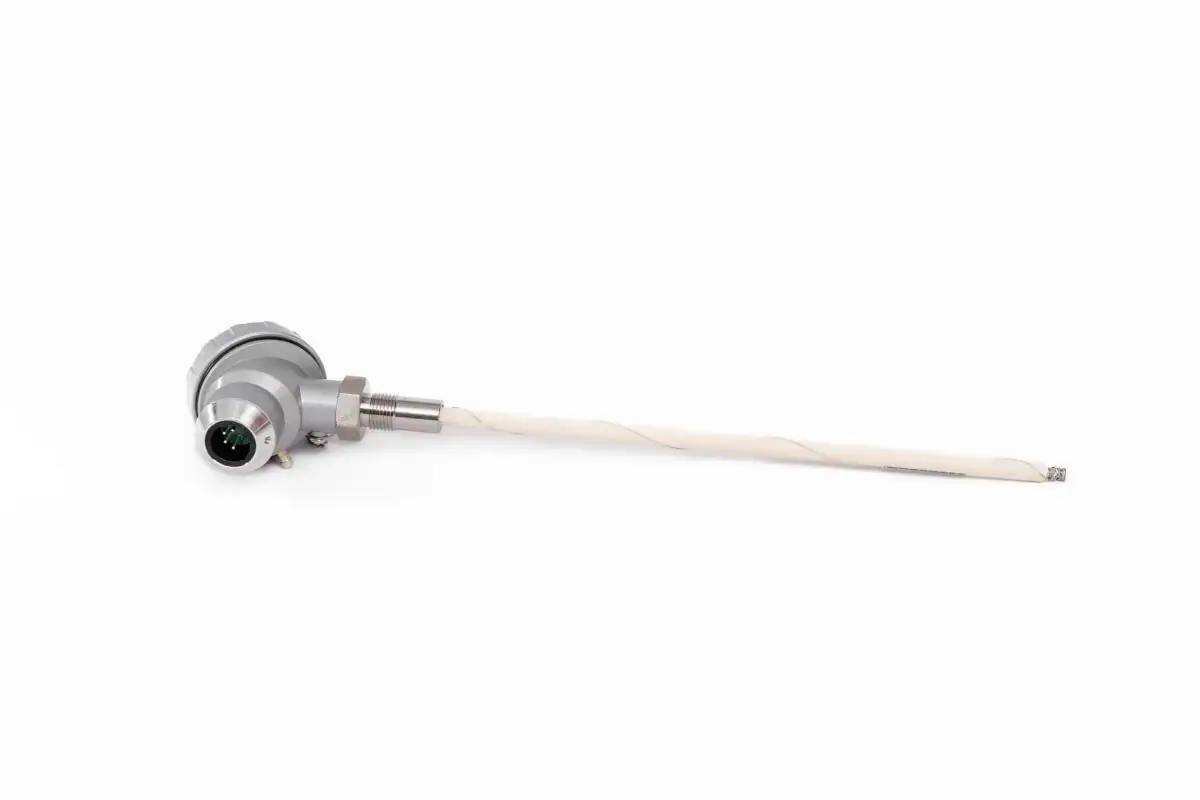
Three main families of sensors share the industrial measurement of oxygen in combustion flue gas, each with its preferred areas of use. The zirconium oxide (zirconia) probe, the most widespread technology for continuous measurement directly in the flue gas duct at high temperature, exploits the ionic conductivity developed by zirconia ceramic heated above 600°C: a difference in oxygen concentration between the two faces of the ceramic generates a measurable electromotive force, described by the Nernst equation, directly linked to the oxygen content of the gas. In the CDL-Tecora range, this technology equips in particular the ZOA probe, the OXITEC 5000 (with an ATEX-certified version for explosive atmospheres) and the CarboProbe DS laboratory probe, while the COMTEC combines a zirconia measurement of oxygen with that of unburnt combustible gases directly in the gas stream, without sampling.

Controlling the air/gas ratio: from measurement to automatic regulation

Measuring residual oxygen is of practical interest only if the measurement feeds a control system able to continuously adjust the air or fuel flow sent to the burners: this is the principle of so-called "oxygen trim" systems (or excess air correction), deployed in particular on installations where fuel or thermal load varies over time. On multi-burner industrial furnaces (glass, steel, ceramics), this regulation takes on an additional dimension: it is no longer only a matter of correcting an overall excess of air, but of maintaining a homogeneous, stable air/gas ratio across all of the furnace's combustion lines, a prerequisite for uniform heat distribution and flame stability.

Fuel gas quality: calorific value, Wobbe index and combustion air requirement index

The optimum air/fuel ratio does not depend solely on burner adjustment: it depends directly on the composition and energy quality of the fuel gas itself, which can vary over time according to the origin of supply: a mix of natural gas sources from different geographic origins, biomethane injection, industrial recovery gases (coke oven gas, blast furnace gas), or one-off switching of source in the event of supply tension. Three standardised quantities make it possible to characterise this quality: the calorific value (NCV, net calorific value, and GCV, gross calorific value, which differ according to whether or not the heat of condensation of the water vapour produced is counted), the relative density of the gas compared with air, and the Wobbe index, which combines the two: the Wobbe index is the quotient of the gas's calorific value divided by the square root of its relative density to air.

Sector applications: glass, steel, boilers, incineration

In the glass industry, combustion directly drives two critical process parameters: the temperature of the molten glass bath, which determines the quality and homogeneity of the finished product, and the furnace's energy consumption, a major cost item in this highly energy-intensive sector. Precise, responsive control of the air/gas ratio on each burner of a glass furnace (often regenerative, with periodic reversal of the flue gas flow direction to preheat the combustion air) is a direct condition for the thermal stability of the bath, which explains the use of multi-channel premix analysers able to cover all the combustion lines of a single furnace.

Poorly controlled combustion and non-compliance with regulated emissions

Poorly controlled combustion is not just a question of energy efficiency: it is one of the most frequent technical causes of non-compliance on the regulated emission parameters at the stack outlet. Too little excess air or a poorly distributed air/fuel mixture generates carbonaceous unburnt matter which, carried into the flue gas, contributes directly to exceedances of the dust limit value, whose reference measurement in Europe is governed by the EN 13284 standard (manual method) and, for continuous measurements, by the quality assurance requirements of the EN 14181 standard.

CDL-Tecora Instruments and Solutions

The CDL-Tecora combustion range covers the entire measurement chain discussed in this bible. For air/gas ratio control on burners, the ADP100 targets single- or multi-burner installations of standard size in the glass, steel and ceramics industries, while the ADP200 extends this function to installations with up to 96 combustion lines. For residual oxygen measurement, the choice of probe technology depends on the operating context: the ZOA probe (zirconia, continuous or intermittent measurement, reduced maintenance) and the OXITEC 5000 (zirconia, including an ATEX version for explosive atmospheres) suit high-temperature in-duct measurement points; the PROA MP (paramagnetic) offers stable measurement with no reagent consumption; the TOA MP and POA MP (electrochemical) target trace oxygen measurement in ppm and maintenance-free measurement in percent respectively, complemented by the TREC (absolute-zero transmitter); the CarboProbe and its CarboProbe DS laboratory version cover oxygen or carbon measurement in industrial furnaces operating from 600 to 1,700°C; the COMTEC measures oxygen and unburnt combustible gases directly in the gas stream, without sampling.

Best Practices for Combustion Optimisation

The first best practice is to define a residual oxygen setpoint suited to the fuel actually used and to the burner design, rather than carrying over a generic value: the usual orders of magnitude (around 1 to 3% O2 for natural gas on a well-adjusted installation, more for liquid or solid fuels that are harder to mix perfectly with air) must be adjusted and validated empirically on each installation, taking into account its operating load and the state of wear of the burner.
What we offer

Recommended instruments

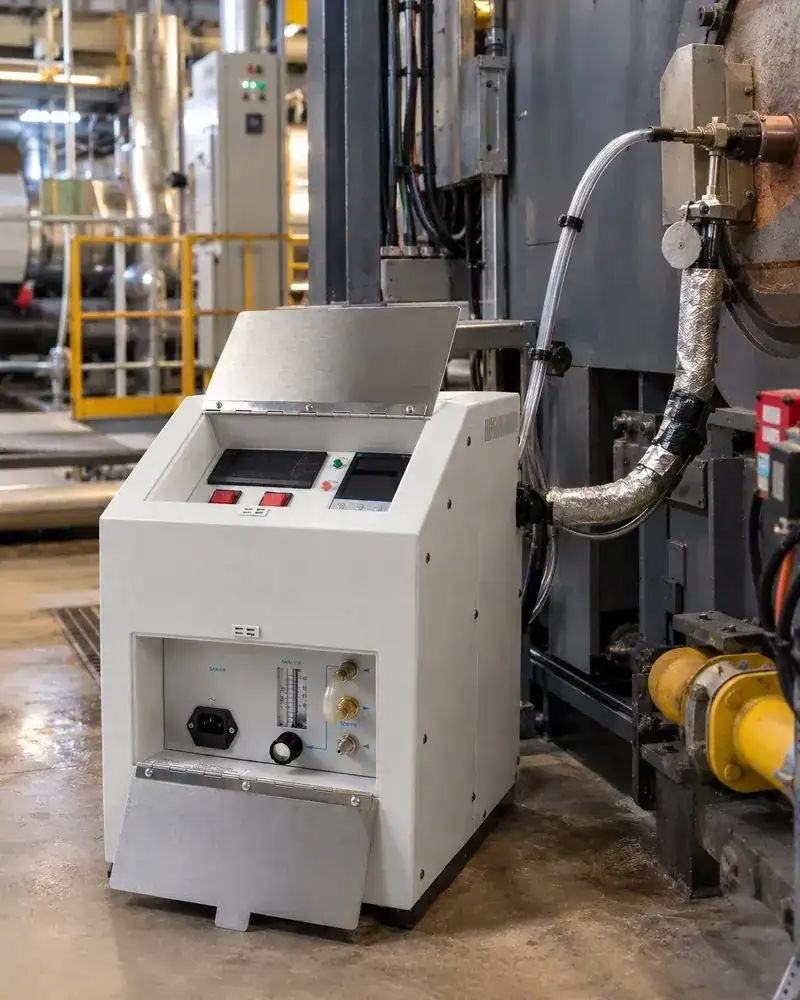
ADP100 premix analyser installed next to an industrial burnerMade in France
Combustion

ADP100 Premix Analyser

Air/gas ratio analyser for industrial burners

The ADP100 continuously measures and regulates the air/gas ratio sent to industrial gas burners, to stabilise the flame, optimise furnace temperature and reduce fuel consumption. Designed for the glass, steel and ceramics industries, it combines a 5-second response, high accuracy and maintenance-free operation.

View product
ADP200 multi-channel premix analyserMade in France
Combustion

ADP200 Multi-Channel Premix Analyser

Air/gas ratio control on several combustion lines simultaneously

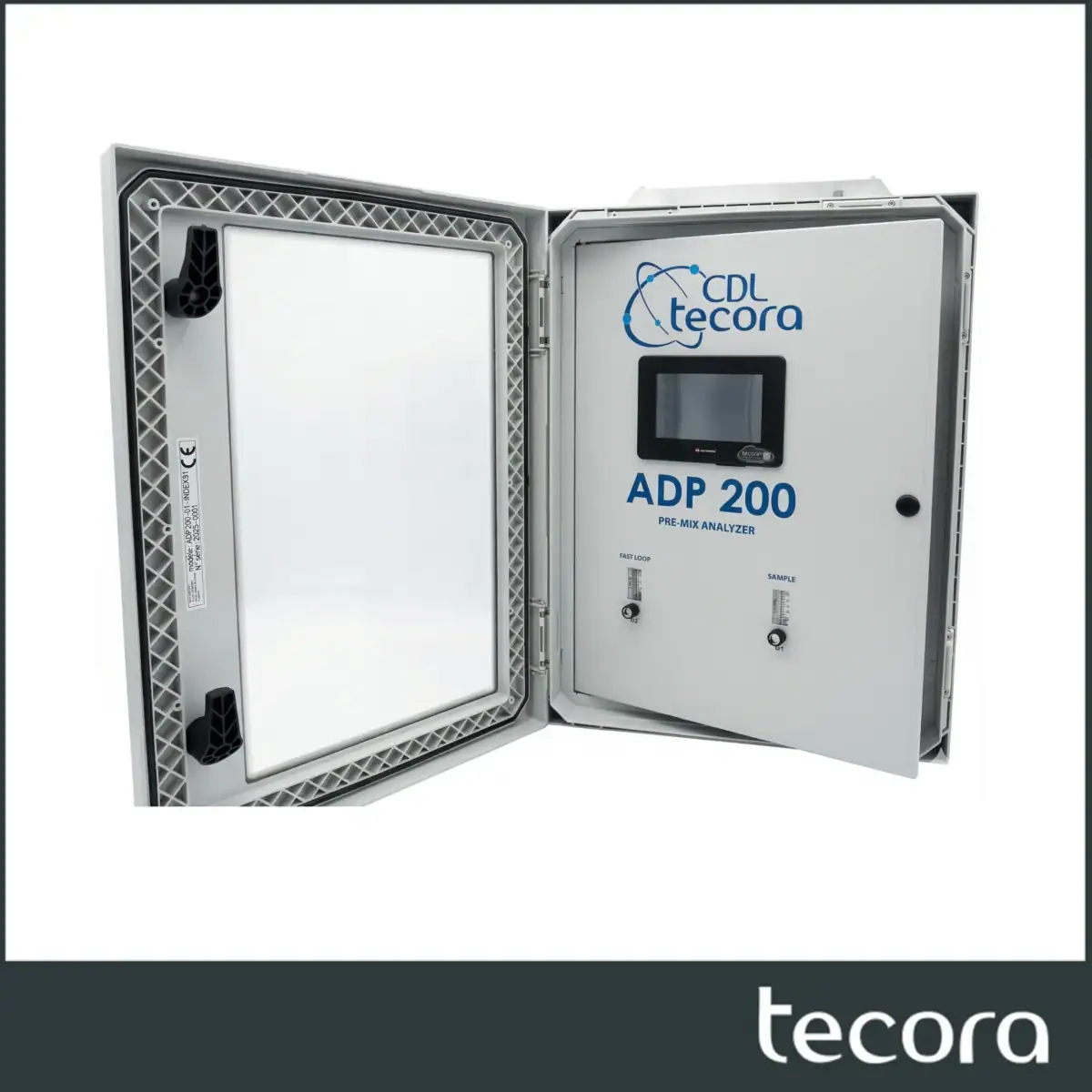
The ADP200 is a multi-channel premix analyser that precisely controls the air/gas ratio on a furnace or installation with up to 96 combustion lines. It stabilises burner operation, optimises thermal performance and reduces combustion drift in demanding industrial environments.

View product
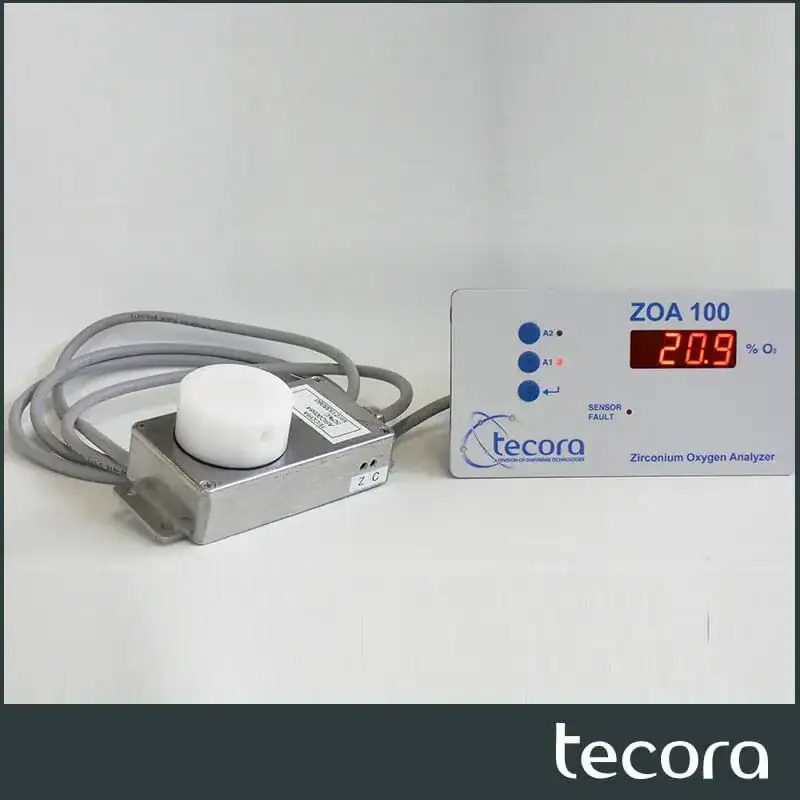
ZOA oxygen analyser (%) — Oxygen analyser (%) – Zirconium oxide – ZOAMade in France
Combustion

Oxygen Analyser in % – Zirconium Oxide – ZOA

Oxygen analyser in % with zirconium oxide probe, for continuous or intermittent measurement

The ZOA is an oxygen analyser in % with a zirconium oxide probe (ZOA 100), using a gas-diffusion zirconia cell sensor for continuous or intermittent measurement, with reduced maintenance. It is available in several configurations (panel mount, wall-mounted housing or portable case) and can also serve as an oxygen detector.

View product
TOA MP trace oxygen analyser — combustion control, CDL-TecoraMade in France
Combustion

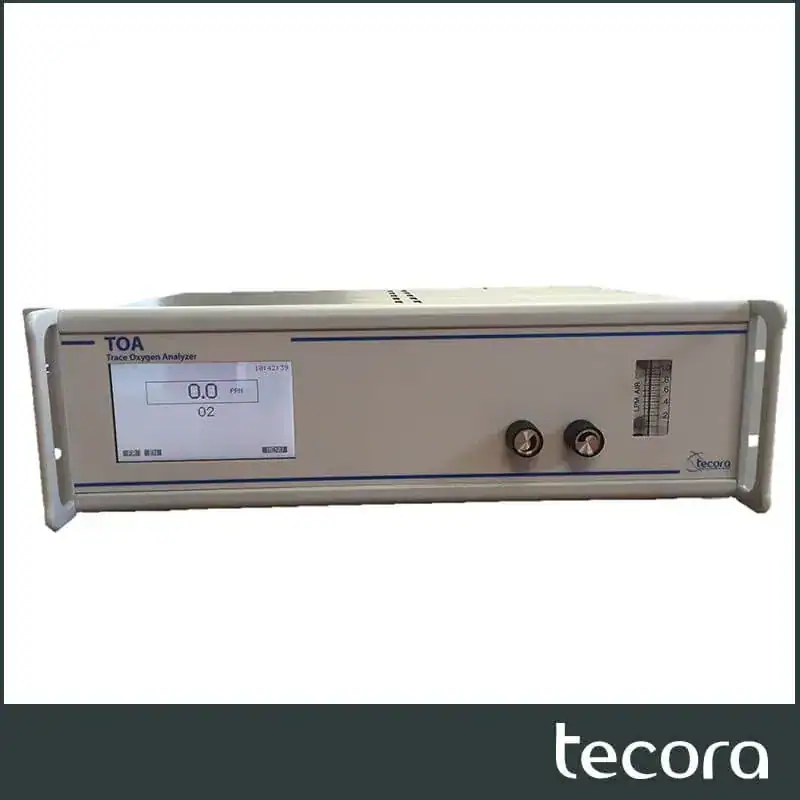
Trace Oxygen Analyser (ppm) – Electrochemical – TOA MP

Trace oxygen analyser in ppm, insensitive to reducing gases

The TOA MP is a trace oxygen analyser (ppm) with a maintenance-free electrochemical sensor, insensitive to sample flow rate and to the presence of reducing agents (hydrocarbons, CO, SO2), with a touchscreen and automatic calibration.

View product
PROA MP paramagnetic oxygen analyser — combustion control, CDL-TecoraMade in France
Combustion

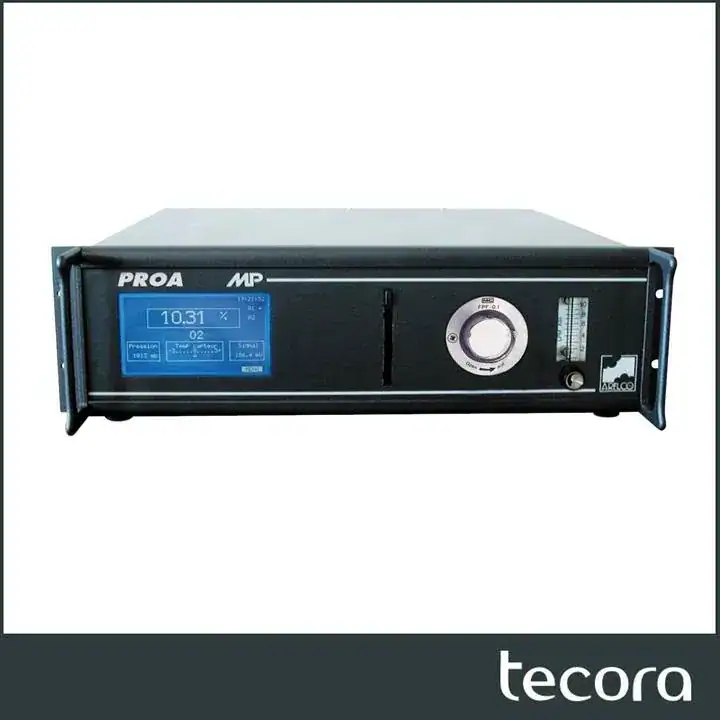
Oxygen Analyser in % – Paramagnetic – PROA MP

Oxygen analyser in % with paramagnetic sensor, no wear over time

The PROA MP is an oxygen analyser in % incorporating a highly reliable paramagnetic (magnetodynamic) sensor with unlimited service life, with a touchscreen, data storage and automatic calibration.

View product
POA MP electrochemical oxygen analyser (%) — combustion control, CDL-TecoraMade in France
Combustion

Oxygen Analyser in % – Electrochemical – POA MP

Oxygen analyser in % with maintenance-free electrochemical sensor

The POA MP is an oxygen analyser in % incorporating a sealed, maintenance-free electrochemical sensor and microprocessor electronics, with a touchscreen, data storage and automatic calibration.

View product
CarboProbe high-temperature oxygen probe — combustion control, CDL-TecoraMade in Switzerland
Combustion

High-Temperature Oxygen Measuring Probe – CarboProbe

High-temperature oxygen probe for controlling the carbon potential of industrial furnaces

The CarboProbe measures the percentage of oxygen or carbon in industrial furnaces operating from 600 to 1700 °C. Its components exposed to hot gases are made of ceramic or platinum for optimum corrosion resistance, in a rugged construction protected by an alumina ceramic sheath.

View product
CarboProbe DS laboratory oxygen probeMade in Switzerland
Combustion

Laboratory Oxygen Probe – CarboProbe DS

Laboratory oxygen probe for precision measurements up to 1700 °C

The CarboProbe DS is a laboratory oxygen probe with a zirconium oxide (ZrO₂) solid electrolyte, which measures the O₂ concentration from pure oxygen down to 10⁻²⁴ atm, over a temperature range of 600 to 1700 °C. It is used in combustion, pyrolysis, air/fuel ratio measurement and oxygen fugacity analysis in geology.

View product
OXITEC 5000 in-situ oxygen probe — combustion control, CDL-TecoraMade in France
Combustion

Oxygen Measuring Probe – OXITEC

In-situ oxygen probe to regulate combustion and reduce energy costs

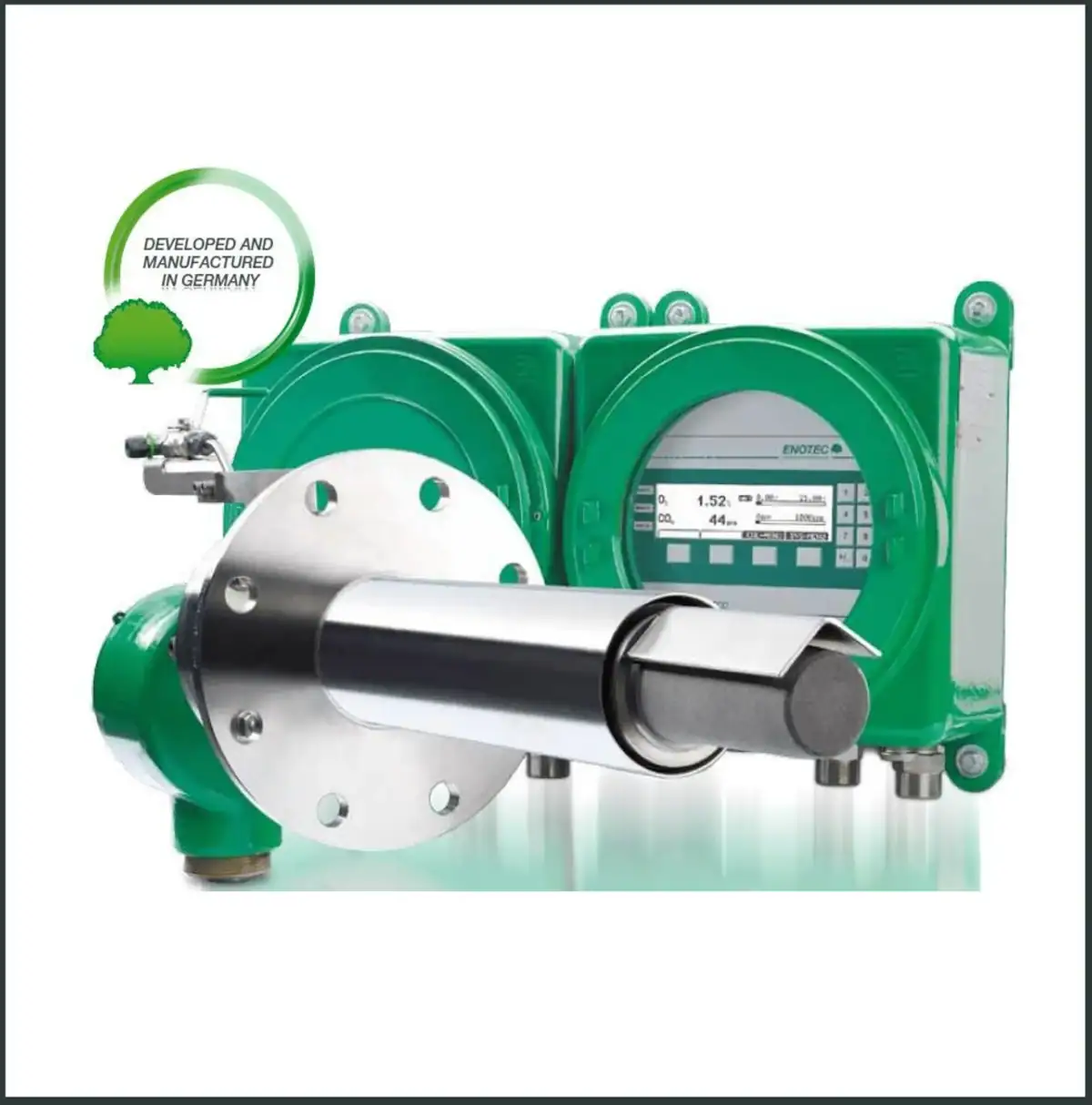
The OXITEC range uses zirconium oxide sensors positioned directly in the gas stream to quickly detect any variation in the O₂ content of the flue gas, making it possible to regulate combustion and reduce energy costs, including in explosive atmospheres (ATEX version available).

View product
COMTEC oxygen and combustibles probe — combustion control, CDL-TecoraMade in Germany
Combustion

COMTEC Oxygen and Combustibles Probe

Oxygen and unburnt matter measuring probe to optimise industrial combustion

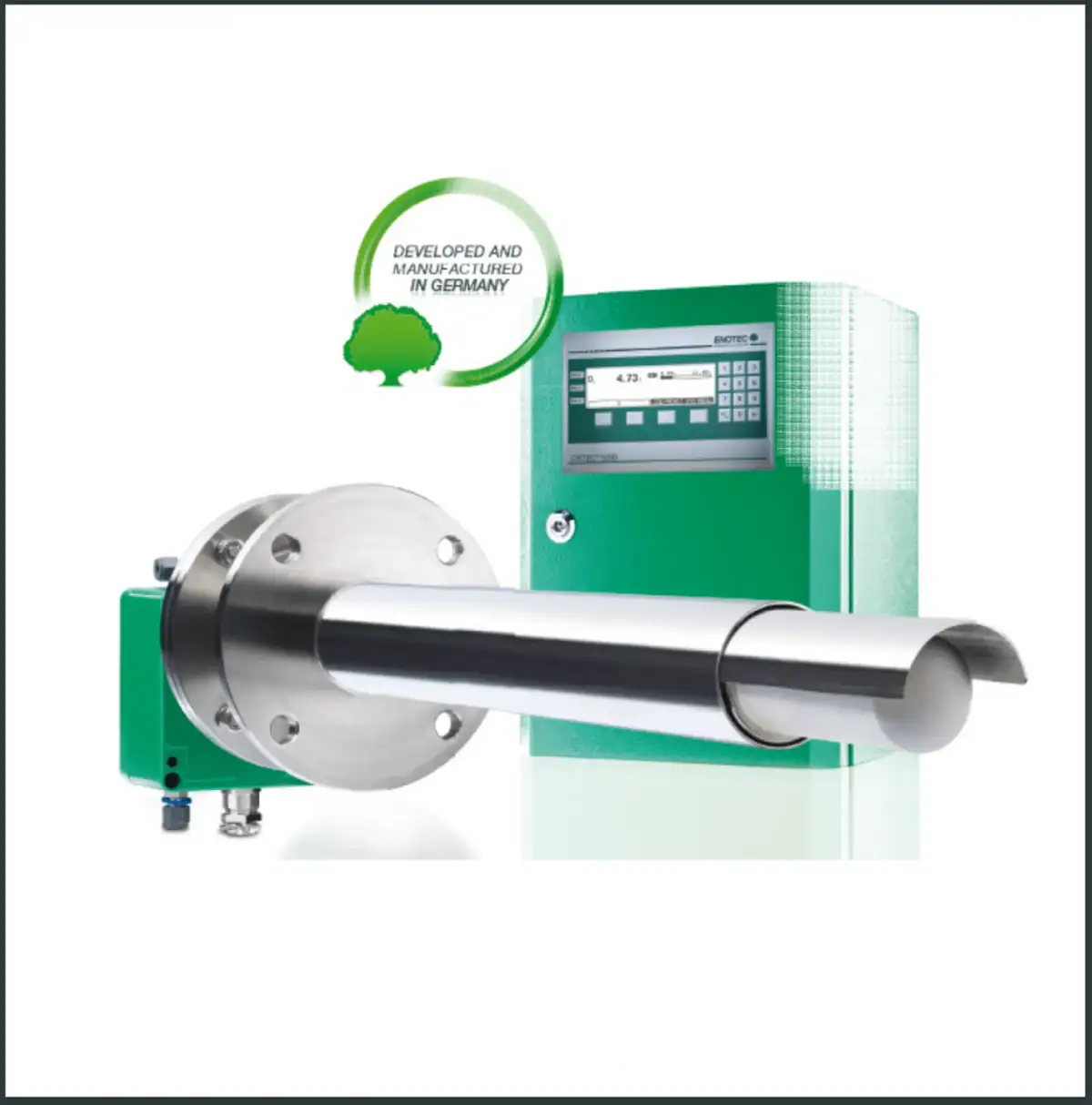
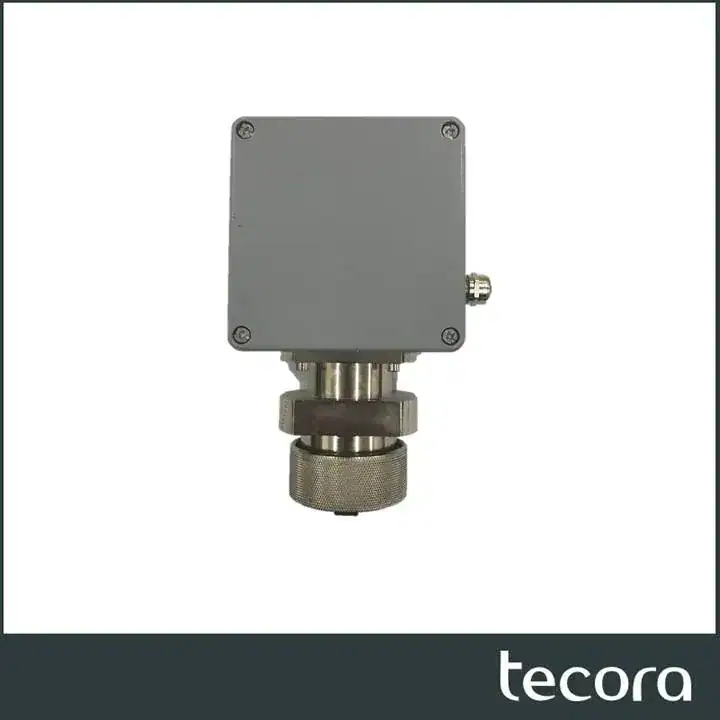
The COMTEC probe accurately measures oxygen (O₂) and unburnt combustible gases (expressed as COe) directly in the gas stream, without sampling, for reliable, continuous control of industrial combustion processes.

View product
TREC oxygen transmitter — combustion control, CDL-TecoraMade in France
Combustion

Oxygen Measurement Transmitter – TREC

Oxygen transmitter for measuring low concentrations in a gas

The TREC is an oxygen transmitter with an absolute-zero electrochemical sensor, delivering a linear output signal from a few ppm to several percent O2, calibrated with a reference gas or with air.

View product
IGCA combustion index analyserMade in France
Combustion

IGCA Combustion Index Analyser – Wobbe and NCV/GCV

Combustion index analyser: Wobbe index and calorific value (NCV/GCV)

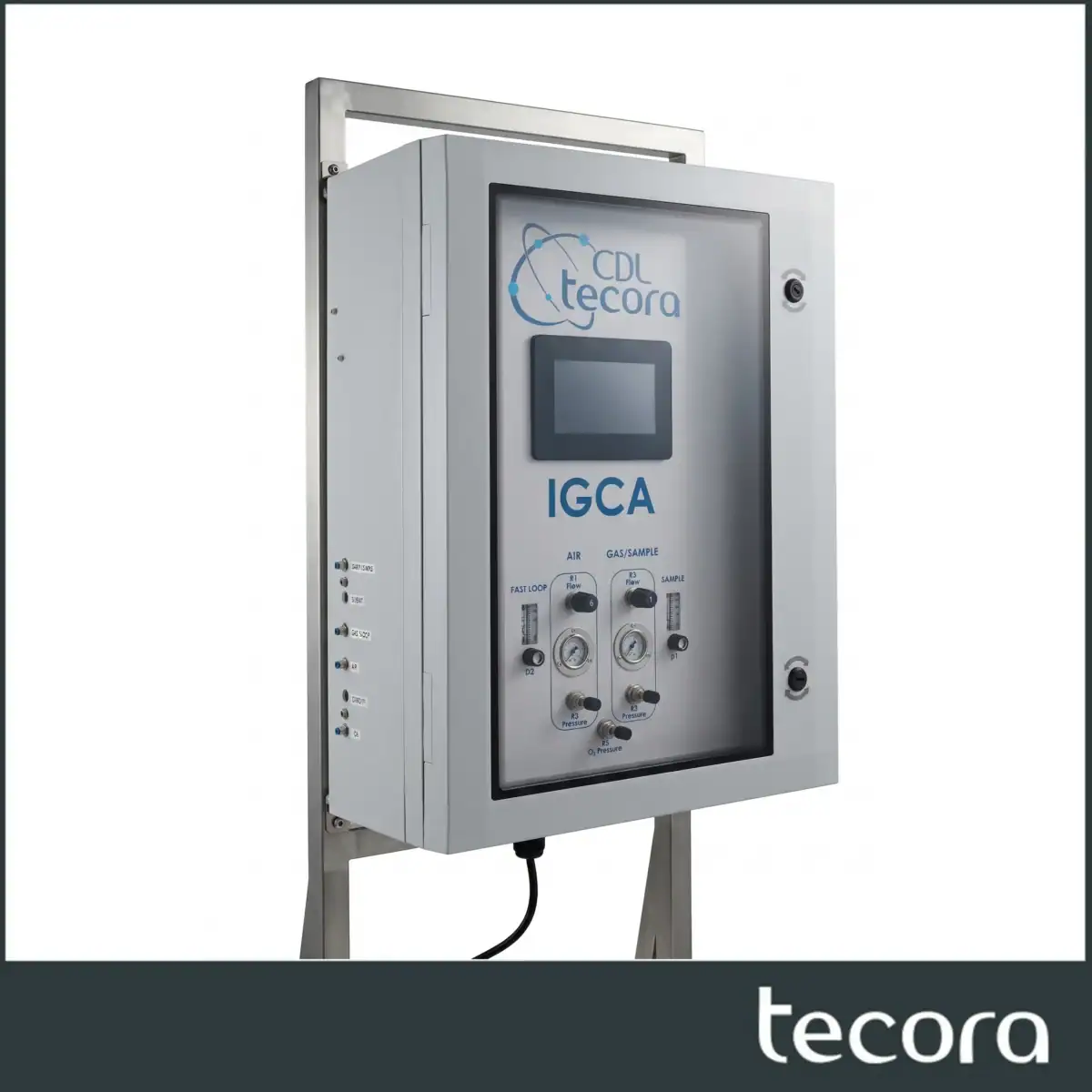
The IGCA analyser continuously determines the Wobbe index, the combustion air requirement index, the calorific value (NCV/GCV) and the density of combustion gases, to optimise combustion in industrial processes using different types of gas.

View product
NGCA natural gas analyser — combustion control, CDL-TecoraMade in France
Combustion

NGCA Natural Gas Analyser

Natural gas quality analyser: continuous calorific value and Wobbe index

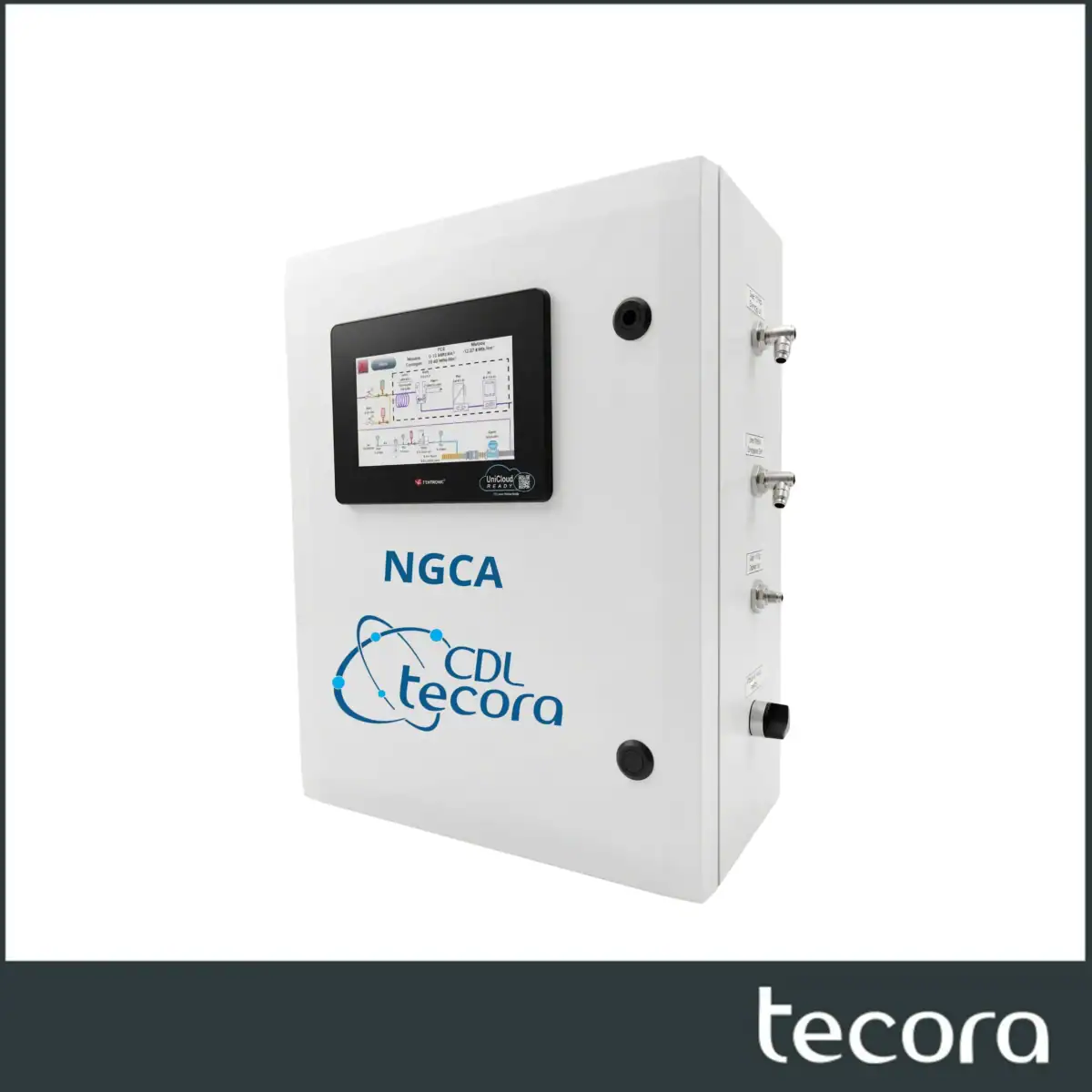
The NGCA analyser continuously measures the energy quality of natural gas: calorific value, Wobbe index and combustion air requirement index, to stabilise energy efficiency, reduce gas variations and improve the safety of thermal equipment.

View product
GA-60 analyser used by a technician to sample the flue gases of an industrial boilerMade in Poland
Combustion

GA Series Portable Gas Analysers

Accuracy · Reliability · Mobility

Measurement of combustion gases (O₂, CO, NO, NO₂, SO₂...) with integrated sample conditioning — from the pocket model to the 10-gas analyser with built-in dryer.

View product
Frequently asked

FAQ

Questions about this topic? Here are the most common answers.

Another question?
What is excess air in combustion and why is a little always introduced?

Excess air is the quantity of combustion air injected beyond the strict stoichiometric requirement of the combustion reaction. A little is always introduced because the air/fuel mixture is never perfectly homogeneous in a real combustion chamber: without this margin, a local air deficit generates carbon monoxide and unburnt matter. The challenge of optimisation is to limit this excess to the minimum necessary, since any unneeded excess air is heated and then discharged up the stack without contributing to the reaction, which directly penalises efficiency.

What residual oxygen level should be targeted in the flue gas?

There is no universal value: the usual order of magnitude for a well-adjusted natural gas installation is around 1 to 3% residual O2, but the optimum setpoint depends on the fuel, the burner design and the operating load. It must be validated empirically on each installation rather than copied as is from another operation, and always monitored together with CO to ensure that reducing excess air does not degrade the completeness of combustion.

What is the difference between zirconia, paramagnetic and electrochemical oxygen probes?

The zirconia probe measures oxygen through an electromotive force generated by zirconia ceramic heated to high temperature (above 600°C), suited to in-duct measurement at high temperature. Paramagnetic technology exploits the magnetic attraction specific to the oxygen molecule, without consuming reagent, for a measurement that is stable over time. The electrochemical sensor (galvanic cell) consumes the oxygen measured through a redox reaction and stands out for its ability to detect traces of oxygen at the ppm level, at the price of a limited cell life. The choice depends on the measuring range sought, the temperature of the measurement point and the acceptable maintenance burden.

What is the Wobbe index and why is it monitored?

The Wobbe index is the quotient of a fuel gas's calorific value divided by the square root of its relative density to air. It serves as an interchangeability indicator between two gases: two gases with the same Wobbe index deliver comparable thermal output through the same burner without requiring adjustment. It is monitored continuously on installations sensitive to a change in gas source (mix of origins, biomethane addition, recovery gas), because an undetected deviation in the Wobbe index can destabilise combustion before any deviation is visible on the residual oxygen measurement alone.

What is the combustion air requirement index and how does it differ from the Wobbe index?

The combustion air requirement index (denoted B, sometimes referred to as CARI) is an indicator complementary to the Wobbe index, also a function of the gas density, that more specifically characterises the combustion air requirement of the fuel concerned. The ratio between the two indices remains relatively stable across all natural gases and LPG. Monitoring the combustion air requirement index is particularly useful when a change in fuel disturbs a sensitive industrial process and it is necessary to compensate for this change, for example by adjusting the air supply injected into the fuel gas.

Why do CO and NOx move in opposite directions depending on the combustion setting?

Carbon monoxide forms when the mixture is locally too lean in air (incomplete combustion), while thermal nitrogen oxides form preferentially at high flame temperature, a reaction that accelerates exponentially above about 1,800 K. Reducing the flame temperature or the excess air to limit NOx can therefore, if the adjustment is poorly controlled, favour the appearance of CO and unburnt matter, hence the need to monitor both parameters simultaneously rather than in isolation during any optimisation.

How can poorly controlled combustion cause non-compliance with regulated emissions?

Incomplete combustion generates carbonaceous unburnt matter that contributes directly to exceedances of the dust limit value (EN 13284 standard), and poorly controlled flue gas cooling conditions after unstable combustion favour the formation of dioxins and furans (EN 1948 standard), particularly at waste or chlorinated fuel combustion plants. Optimising combustion upstream reduces this risk, without exempting the operator from the regulatory emissions inspections themselves.

What is an excess air correction system (oxygen trim)?

It is a control device that uses continuous measurement of residual oxygen in the flue gas to automatically adjust the air or fuel flow sent to the burner, in order to keep combustion close to an optimum excess air setpoint despite variations in thermal load or fuel composition. It is particularly relevant on installations whose load or fuel varies over time, where a fixed manual setting cannot follow these variations continuously.

Are CDL-Tecora's ADP100 and ADP200 intended for the same installations?

No: the ADP100 regulates the air/gas ratio sent to industrial gas burners with a fast response (5 seconds), suited to standard-size installations in the glass, steel and ceramics industries. The ADP200 is a multi-channel premix analyser designed to precisely control the air/gas ratio on larger installations with up to 96 combustion lines, where consistency of adjustment across all lines is an additional challenge compared with an isolated burner.

A question on this topic? Our experts can help.

Personalised advice and a fast quote for your measurement project.