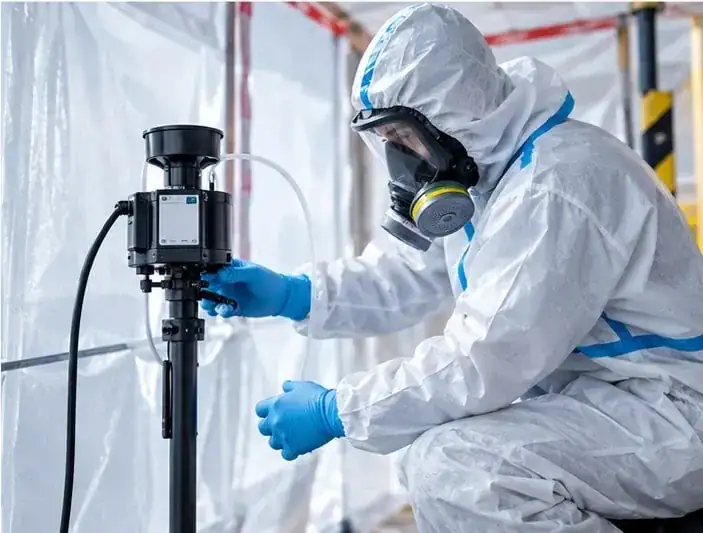
Technician in protective suit handling an air sampling head in an asbestos-removal zone

Technical bible

Industrial Hygiene and Asbestos: The Bible of Identification, Sampling and Regulation

Asbestos, dust, crystalline silica, noise and vibration: regulatory framework and workplace measurement methods

Asbestos, banned in France since Decree No. 96-1133 of 24 December 1996 (effective 1 January 1997), remains omnipresent in the existing building stock and imposes strict obligations to survey before works or demolition, as well as standardised sampling and analysis methods (NF X 43-050, NF X 43-269). This technical bible covers the asbestos risk as a whole and extends it to the other industrial hygiene challenges (dust, crystalline silica, noise, vibration, volatile organic compounds) that share the same logic of individual sampling and occupational exposure limits (OELs).

Key figures

  • 1 January 1997Asbestos ban in France
  • 10 fibres/litreAsbestos OEL (8h)
  • NF X 43-050 / NF X 43-269Reference standards

What is asbestos and why is it dangerous?

Asbestos refers to a group of six naturally occurring fibrous silicates, exploited industrially for over a century for their exceptional properties: mechanical strength, thermal and acoustic insulation, resistance to fire and to chemical agents, and low cost. A distinction is made between amphiboles (crocidolite or "blue asbestos", amosite or "brown asbestos", notably) and serpentines (chrysotile or "white asbestos", by far the most widely used variety industrially). These properties made it a ubiquitous material in construction, industrial insulation, roofing (asbestos cement), floor coverings, gaskets, friction linings and many items of industrial equipment until it was banned.

Regulatory History: From Industrial Use to Total Ban

Massive industrial use of asbestos in France developed throughout the twentieth century, with a notable acceleration in the post-war decades driven by the construction and industrialisation boom. The first preventive regulatory measures date from the 1970s-1980s (setting of dust exposure limit values, collective and individual protection obligations in certain sectors), but the total ban only came at the end of the 1990s, after a gradual health awakening and decades of controversy over so-called "controlled" uses of chrysotile.

Current Obligations: Survey Before Works and Before Demolition

Two survey regimes coexist in France today, depending on the nature of the planned intervention. The pre-demolition asbestos survey (RAD, sometimes called RAAD) falls under the Public Health Code (stemming from Decree No. 2011-629 of 3 June 2011 and the order of 26 June 2013) and requires the owner of a built property whose building permit was issued before 1 July 1997 to have an exhaustive survey carried out of asbestos-containing materials and products (MPCA) prior to any demolition operation, in accordance with Article R. 1334-19 of the Public Health Code.

Reference Counting Method: The NF X 43-050 Standard

The NF X 43-050 standard (latest revision: July 2021, made mandatory by the order of 25 July 2022 amending various orders on the prevention of asbestos-related risks) is the French reference method for determining the concentration of asbestos fibres by transmission electron microscopy (TEM), combined with energy-dispersive X-ray spectrometry analysis that identifies the mineralogical nature of each fibre counted and distinguishes it from the non-asbestos fibres present in the air.

Personal Sampling at the Workstation: The NF X 43-269 Standard and the OEL

To assess the real exposure of a worker working on an asbestos site or in an environment likely to release asbestos, measurement is no longer done in ambient air but as close as possible to the operator's breathing zone, by means of personal sampling carried out in accordance with the NF X 43-269 standard (in its December 2017 version). The equipment comprises a portable constant-flow pump, generally around 3 litres per minute, connected to a sampling cassette fixed near the worker's airways, the whole being worn for all or part of the work shift depending on the measurement protocol chosen (short-duration measurement known as "fine TEM" or measurement representative of exposure over the day).

Widening the View: Other Industrial Hygiene Risks

Asbestos is only one component (admittedly an emblematic one) of a broader discipline, industrial hygiene, which aims to identify, assess and control all the physical and chemical risks to which workers in industrial environments are exposed. Dust and aerosols are a second major area: beyond asbestos, many industrial processes generate dust whose inhalation presents a risk, measured according to its inhalable, thoracic or respirable fractions depending on the depth of penetration into the respiratory system.

CDL-Tecora Instruments and Solutions

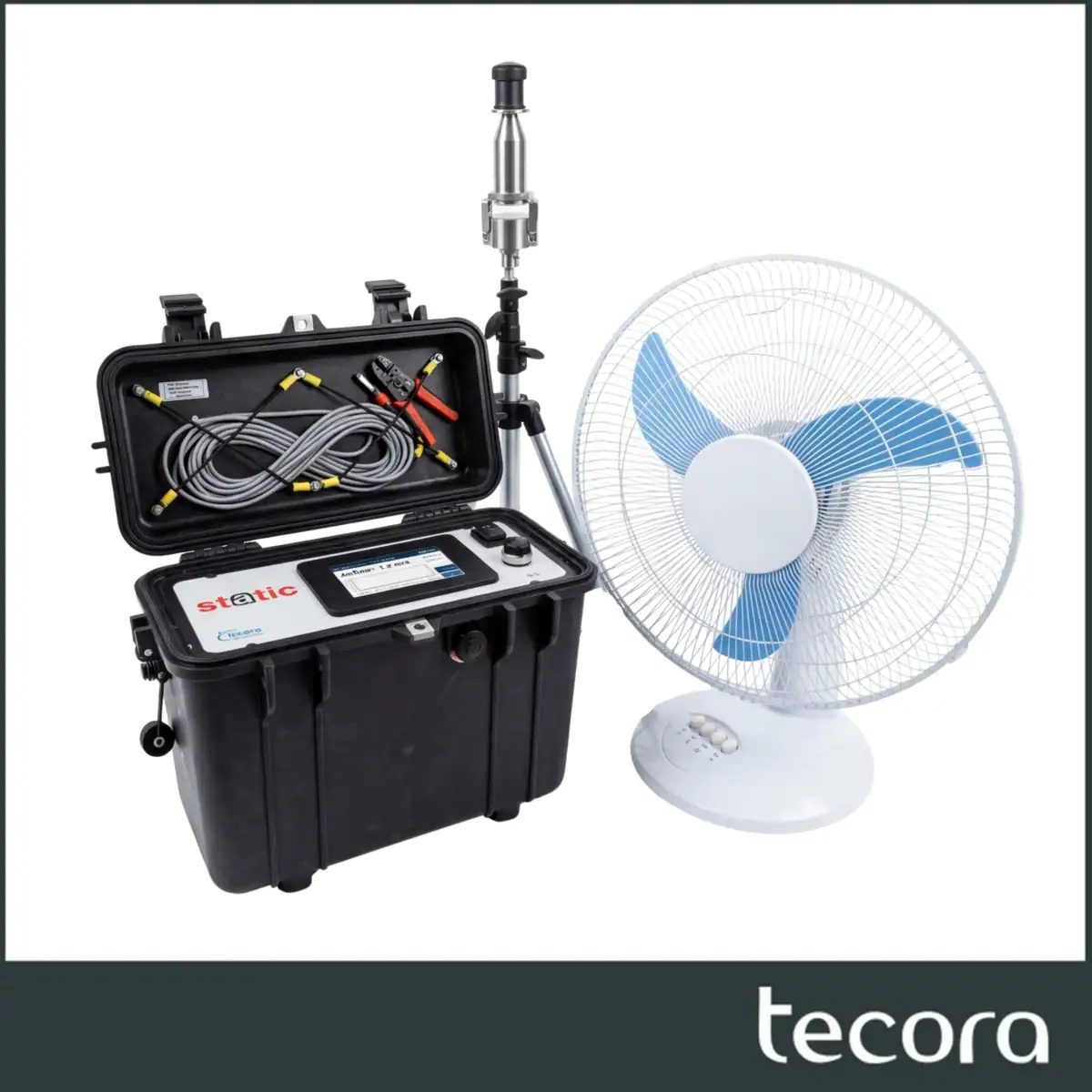
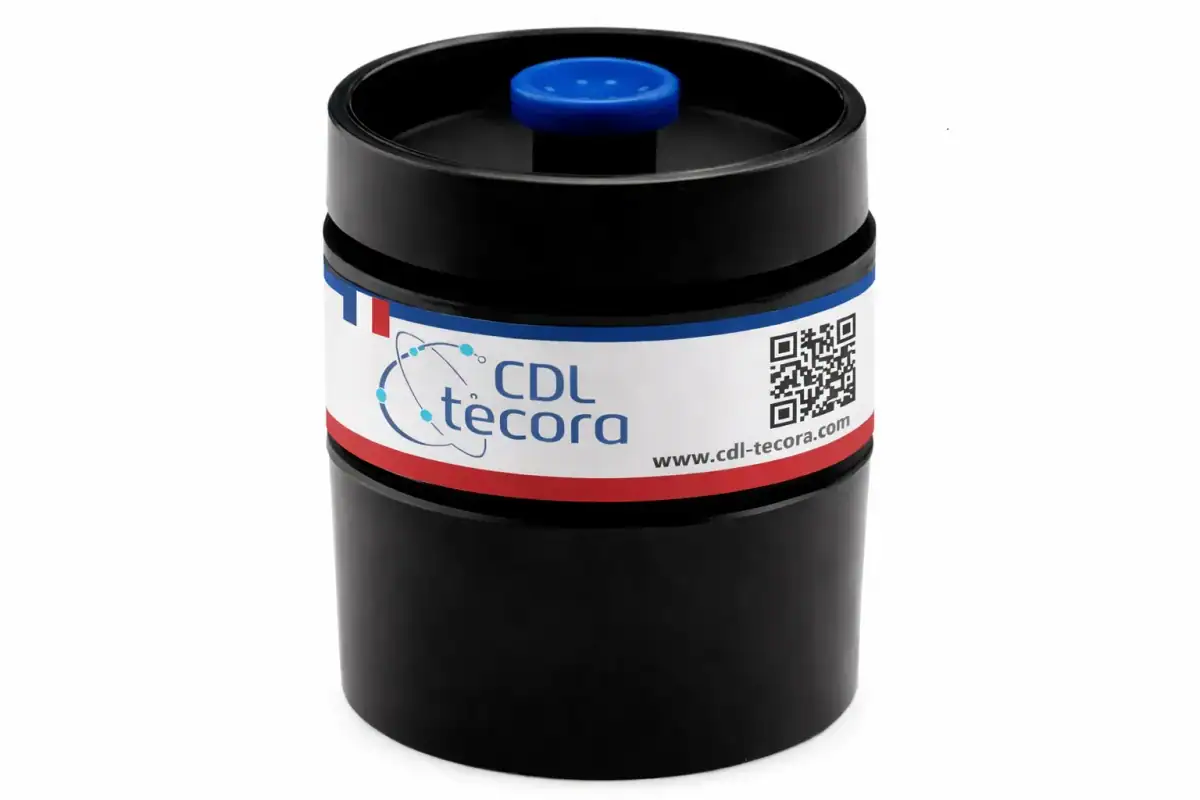
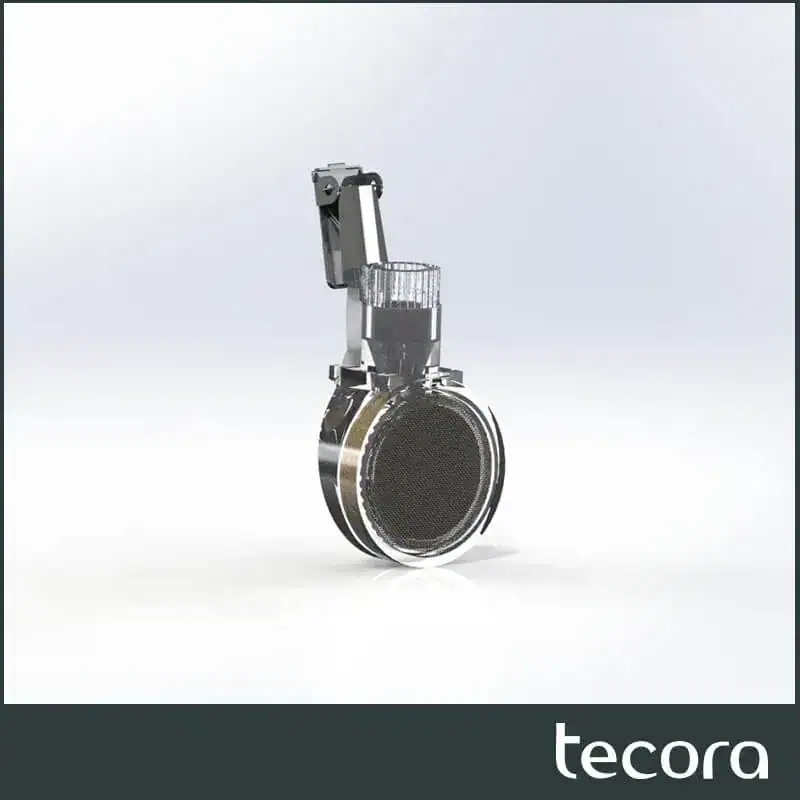
For sampling asbestos fibres in ambient air according to NF X 43-050, CDL-Tecora offers the CAThiA static sampling head (Capteur Alvéolaire Thoracique Inhalable d'Aérosols, an alveolar-thoracic-inhalable aerosol sampler), designed in accordance with the EN 481, ISO 7708 and FD CEN/TR 15230 standards for ambient particulate pollution, with specific compliance with NF X 43-050 for sampling asbestos fibres in flocked premises. For personal sampling at the workstation according to NF X 43-269, the Static constant-flow pump is designed to meet the requirements of this standard for TEM analysis, complemented by the dedicated fan that keeps asbestos fibres in suspension during sampling in accordance with the same standard requirements. Asbestos sampling cassettes, manufactured and assembled in France with batch number identification, complete this end-to-end set-up.

Best Practices and Implementation Pitfalls

Cross-contamination remains a major risk in asbestos fibre sampling, exactly as for other pollutants measured at trace levels: equipment poorly decontaminated between two campaigns, a cassette exposed to ambient air before or after actual sampling, or transport under unsuitable conditions can seriously bias the result, in either direction. The traceability chain (identification of the site, the sampling point, the batch number of the cassette used, the operator and the sampling conditions (duration, flow rate)) must be documented without fail, as it determines the admissibility of the result in the event of later litigation, asbestos-related diseases sometimes appearing decades after exposure.
What we offer

Recommended instruments

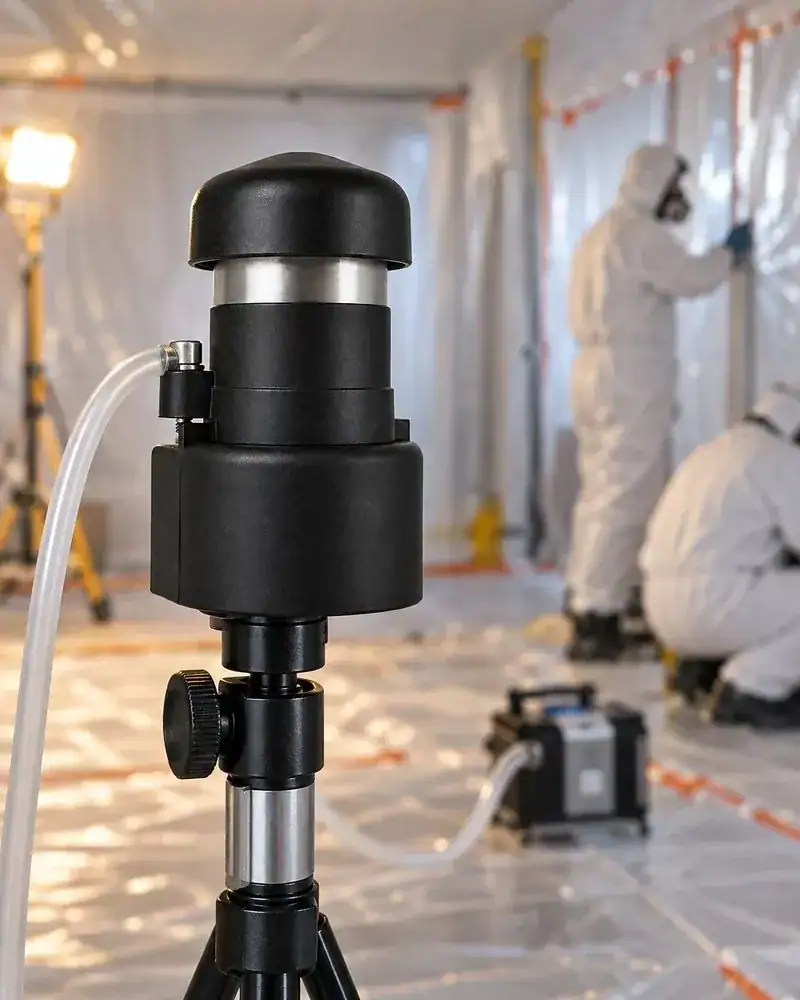
CAThiA thoracic alveolar sampling head installed on a tripod in a contained asbestos-removal zoneMade in France
Environment, Hygiene and Health

CAThiA Dust and Fibre Sampling Head

Accuracy · Selectivity · Field

Static sampling head for dust and fibres in ambient air, with homogeneous deposition on the filter — no direct handling during installation or recovery.

View product
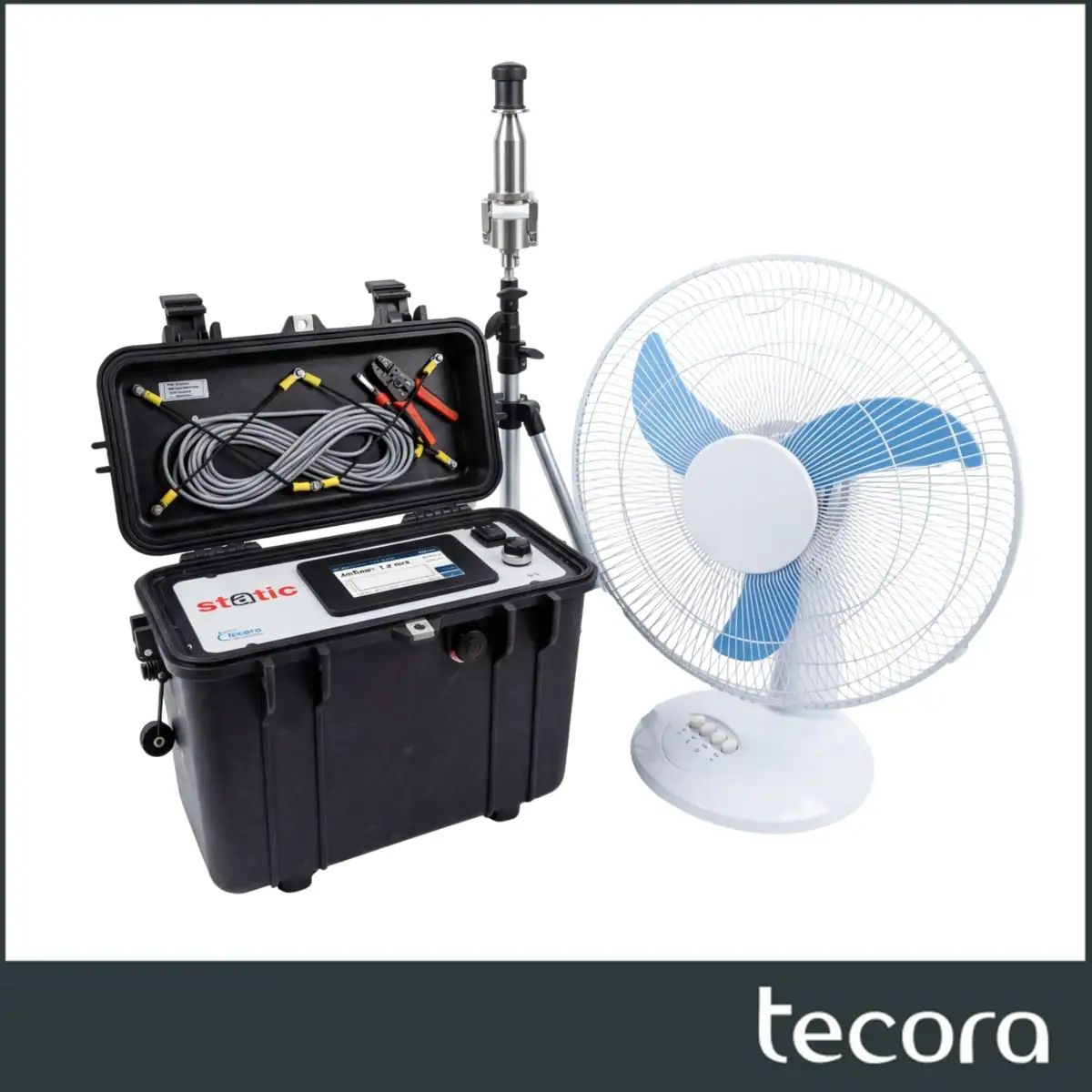
Static sampling pump — Constant-flow sampler – STATIC pump — industrial hygiene and safety, CDL-TecoraMade in France
Environment, Hygiene and Health

Constant-Flow Sampler – STATIC Pump

Constant-flow sampling pump for TEM analysis of asbestos fibres

The Static pump is the latest generation of CDL-Tecora constant-flow sampler, designed to meet the requirements of the NF X43-050 standard for TEM (Transmission Electron Microscopy) analysis of asbestos fibres.

View product
Fan for Static asbestos sampling pump — industrial hygiene and safety, CDL-TecoraMade in France
Environment, Hygiene and Health

Fan for Static Pump

Fans to keep asbestos fibres in suspension during sampling

CDL-Tecora offers two fan systems, controlled directly by the Static pump, to keep asbestos fibres in suspension during sampling, in accordance with the NF X43-050 standard.

View product
Air sampling cassette for asbestos fibre analysis — industrial hygiene and safety, CDL-TecoraMade in France
Environment, Hygiene and Health

Asbestos Sampling Cassettes

Air sampling cassettes for asbestos fibre analysis

CDL-Tecora asbestos sampling cassettes are used to capture ambient air for asbestos fibre analysis. Manufactured and assembled in France, they offer excellent reliability for regulatory measurements and guarantee full traceability thanks to their identification by batch number.

View product
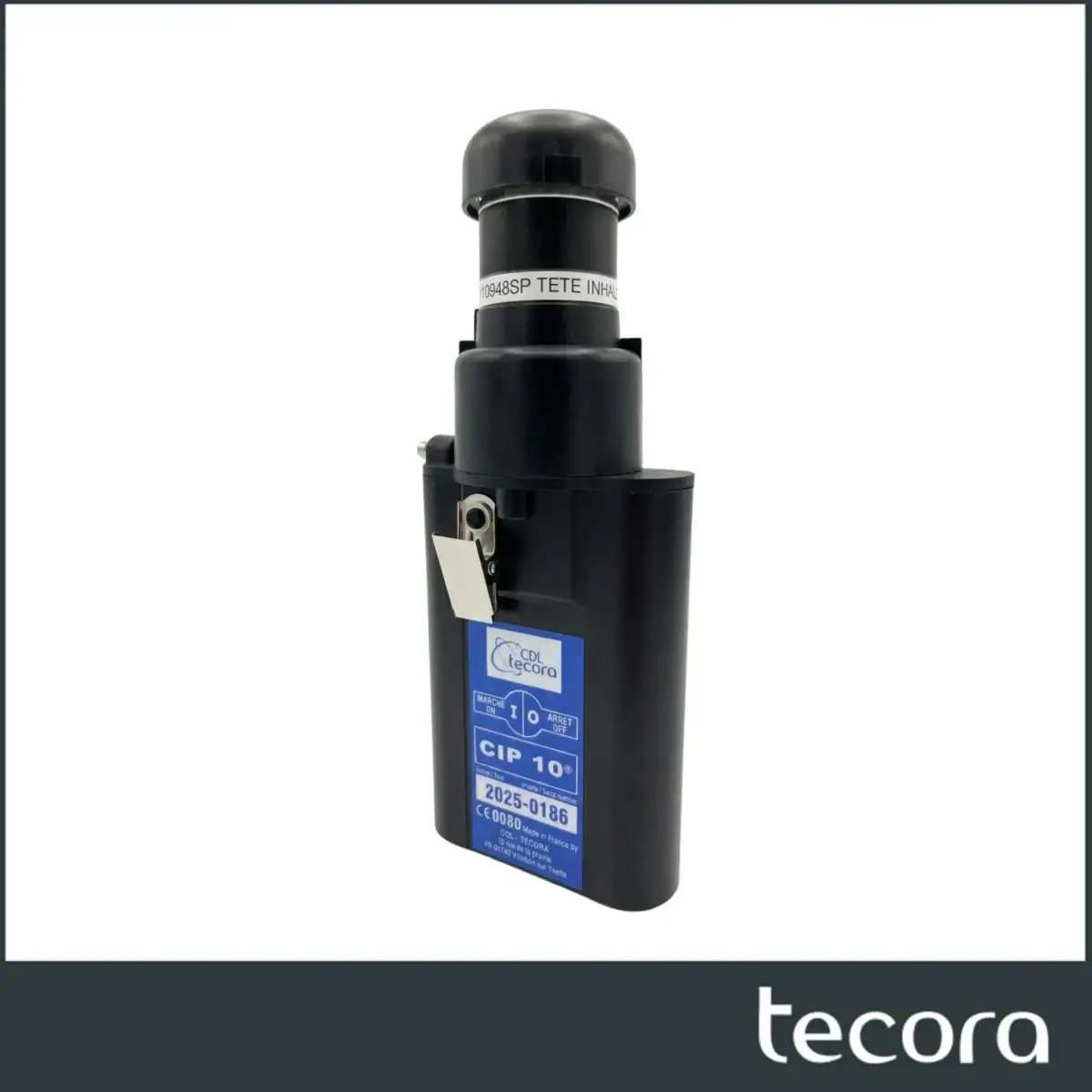
CIP10 personal dust samplerMade in France
Environment, Hygiene and Health

CIP10 Personal Dust Sampler

Personal sampler for measuring workers' exposure to dust

The CIP10 is a personal dust sampler intended to measure workers' exposure to dust and aerosols in industrial environments. Compact, autonomous and lightweight, it takes representative samples of the respirable, thoracic and inhalable fractions, which can be used in the laboratory for gravimetric analysis or for detecting contaminants such as respirable crystalline silica.

View product
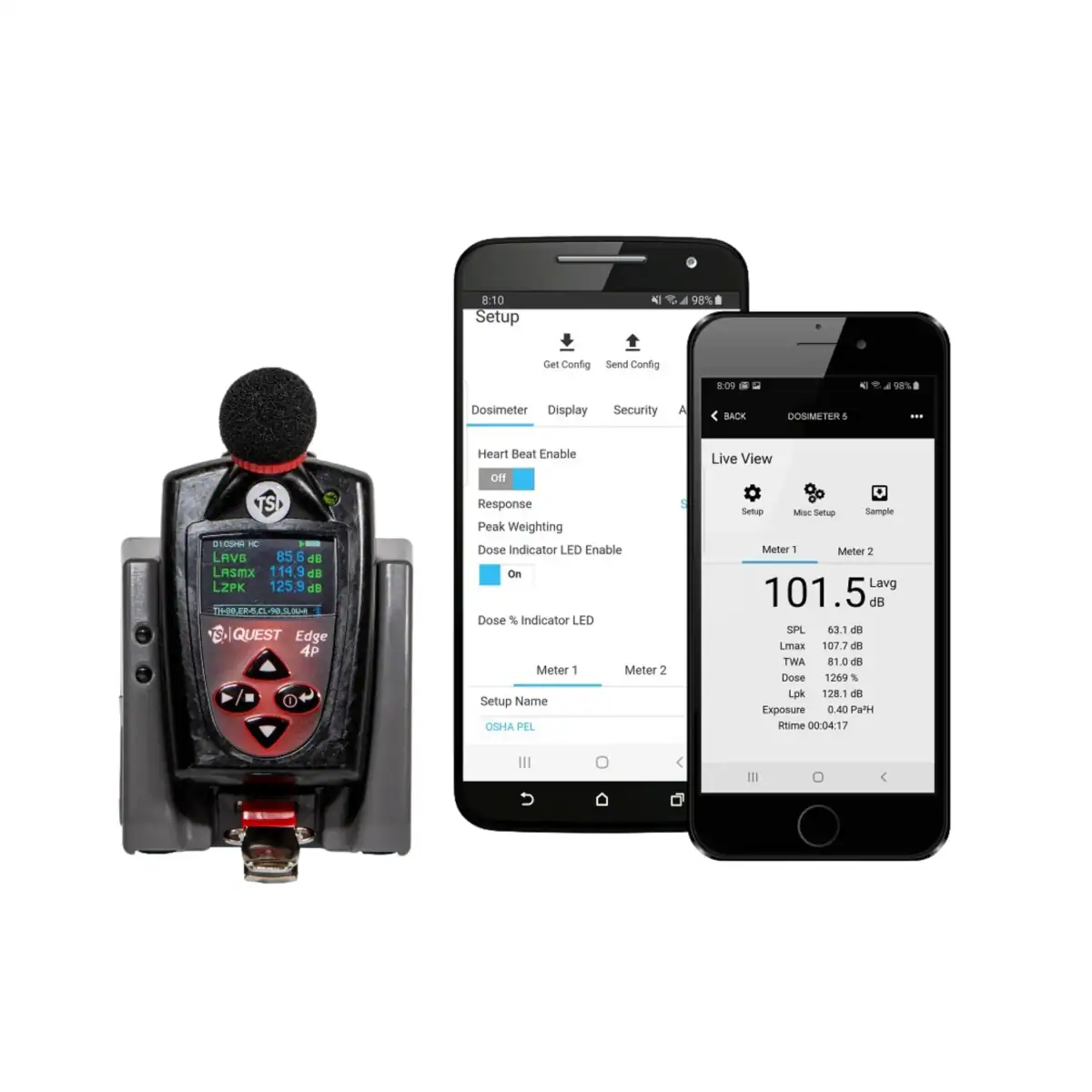
Edge 5 noise dosimeter — industrial hygiene and safety, CDL-Tecora
Environment, Hygiene and Health

Edge 5 Noise Dosimeter

EDGE5 noise dosimeter, up to 3 simultaneous measurements, including in hazardous areas

The EDGE family of standalone dosimeters makes it easier to assess occupational noise exposure. Compact and lightweight (85 g), fitted with a wireless microphone, the EDGE5 model allows three independent dosimeters to be activated for three simultaneous measurements and has validated intrinsic safety for hazardous environments.

View product
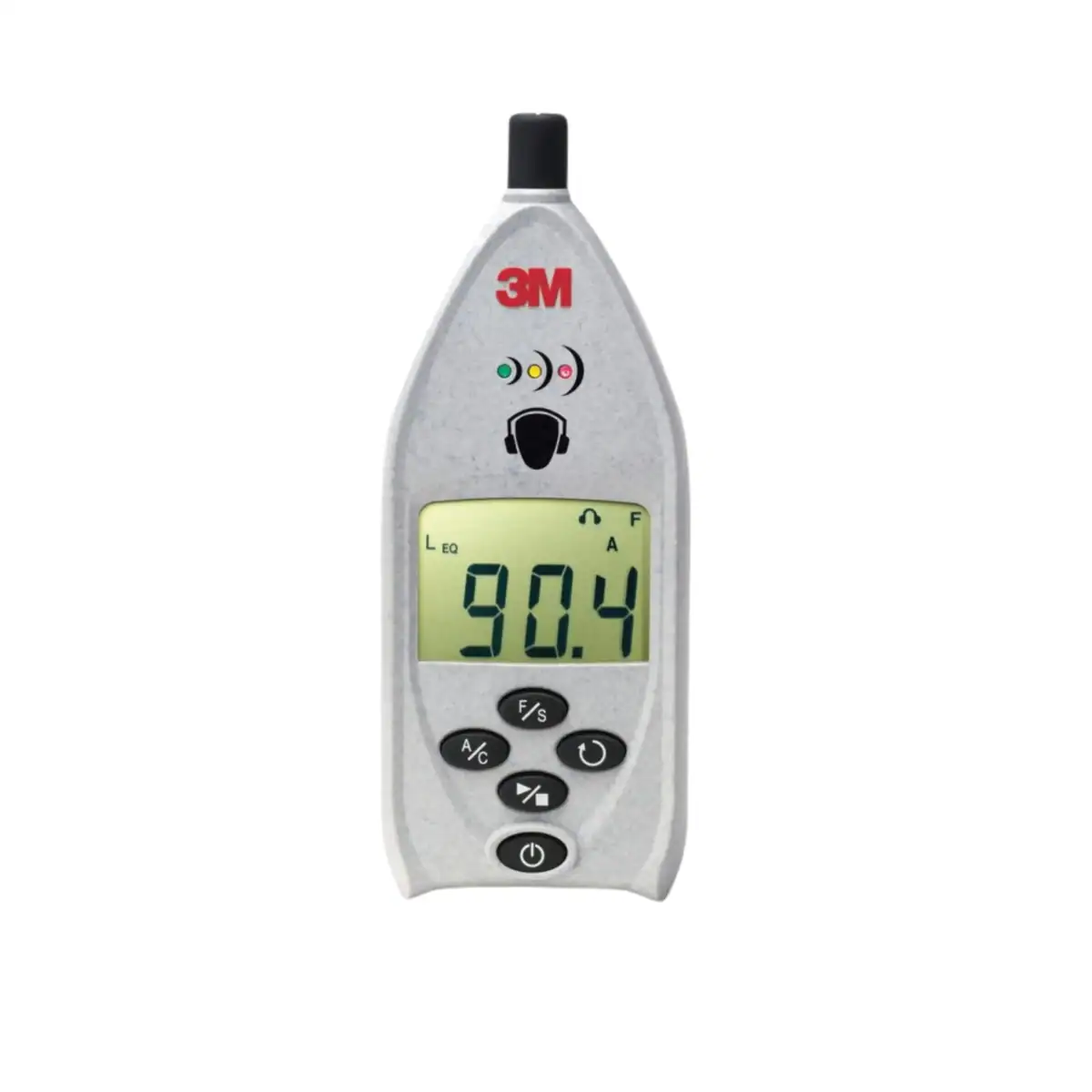
SD-200 acoustic detector — industrial hygiene and safety, CDL-Tecora
Environment, Hygiene and Health

SD-200 Sound Detector

Compact sound level meter for measuring noise and determining the hearing protection needed

The SD-200 sound detector is a compact, lightweight sound level meter designed to measure workplace sound levels and determine the hearing protection attenuation needed.

View product
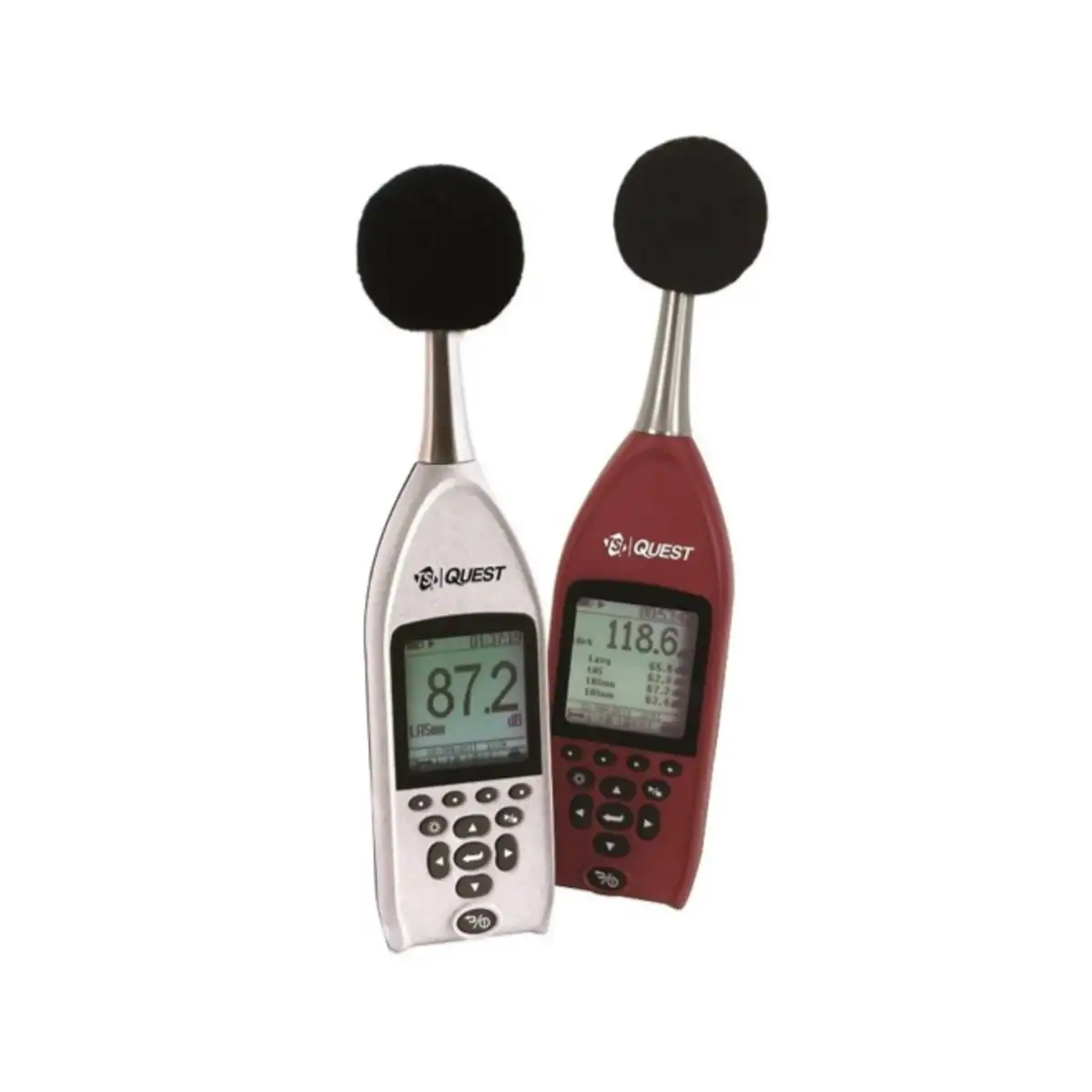
Sound Examiner SE-400 sound level meter
Environment, Hygiene and Health

SE-400 Sound Level Meter

Sound Examiner SE-400 series sound level meter, including for ATEX/IECEx zones

The Sound Examiner SE-400 series sound level meters accurately measure sound levels in a wide variety of environments, including those requiring IECEx and ATEX intrinsic safety approvals. Ready to use, they calculate the average sound pressure level (LEQ/LAVG) over the measurement period.

View product
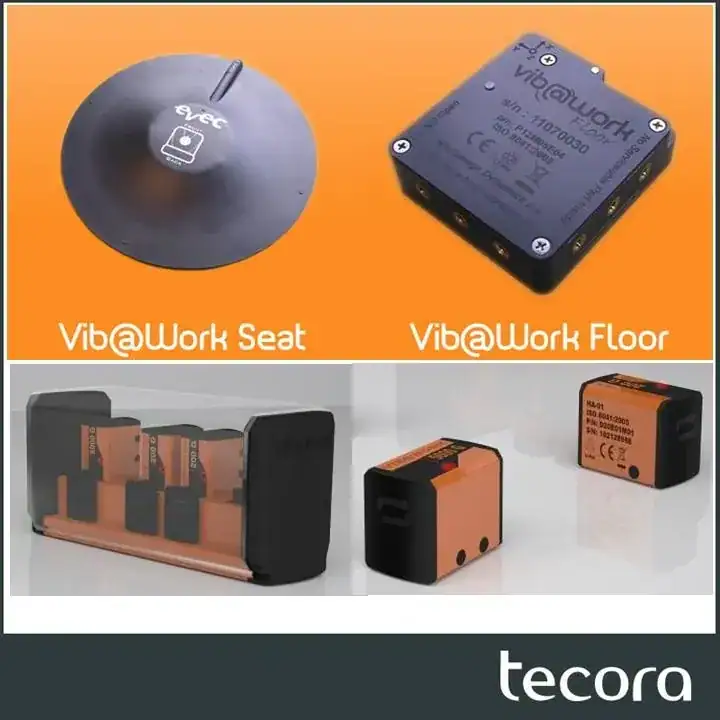
Vib@work vibration dosimeter — Vibration dosimeters — industrial hygiene and safety, CDL-Tecora
Environment, Hygiene and Health

Vibration Dosimeters

Vib@work dosimeters for measuring vibration at the workstation

The Vib@work range of dosimeters measures vibration at the workstation in accordance with European Directive 2002/44/EC, transposed into French law by Decree No. 2005-746 of 4 July 2005. It automatically calculates the A(8) vibration dose received by a machine driver or an operator of a vibrating tool.

View product
GABIE sampling badge — GABIE sampling badge for organic pollutantsMade in France
Environment, Hygiene and Health

GABIE Sampling Badge for Organic Pollutants

GABIE passive badge for the simultaneous sampling of several volatile organic compounds

The GABIE badge (Gas Adsorbent Badges for Individual Exposure) allows the simultaneous sampling of a multitude of organic gases and vapours, by diffusion onto activated carbon, in order to determine a worker's Time-Weighted Average exposure (TWA). Its reliability has been tested according to a protocol compliant with the EN 838 standard.

View product
Frequently asked

FAQ

Questions about this topic? Here are the most common answers.

Another question?
Since when has asbestos been banned in France?

Asbestos has been banned in France since 1 January 1997, the date of entry into force of Decree No. 96-1133 of 24 December 1996, which prohibits the manufacture, processing, sale, import and placing on the market of all varieties of asbestos fibres. This date still serves today as a benchmark for determining whether a building is presumed to contain asbestos materials.

What is the difference between the pre-works asbestos survey (RAT) and the pre-demolition survey (RAD)?

The RAD falls under the Public Health Code (Decree No. 2011-629 of 3 June 2011, order of 26 June 2013) and is required before any demolition of a building whose building permit predates 1 July 1997. The RAT falls under the Labour Code (Decree No. 2017-899 of 9 May 2017, order of 16 July 2019 amended in 2020) and applies before refurbishment or partial demolition works, with the main aim of protecting workers on site. The two regimes can apply successively to the same building.

What is the current occupational exposure limit (OEL) for asbestos?

The asbestos OEL is set by Article R. 4412-100 of the Labour Code at 10 fibres per litre averaged over 8 hours. This value has been in force since 2 July 2015 (Decree No. 2015-789 of 29 June 2015), replacing a previous value of 100 fibres per litre.

Which standard governs asbestos fibre counting in the laboratory?

The NF X 43-050 standard (latest revision of July 2021) is the French reference method for determining the concentration of asbestos fibres by transmission electron microscopy (TEM) combined with X-ray spectrometry analysis. It has been mandatory since the order of 25 July 2022.

What is the difference between NF X 43-050 and NF X 43-269?

NF X 43-050 is a laboratory analysis method (TEM counting) that applies to air samples taken in ambient conditions, while NF X 43-269 (December 2017 version) is the personal workstation sampling standard, which defines how to collect the sample as close as possible to a worker's breathing zone before analysis according to the first method.

Why is the duration of personal asbestos sampling important?

The regulatory analytical sensitivity (set by the order of 14 August 2012) requires the sensitivity of the measurement to remain below one tenth of the OEL. This sensitivity depends directly on the volume of air sampled, and therefore on the sampling duration at constant flow rate: sampling that is too short does not achieve the required analytical sensitivity and invalidates the measurement, regardless of the quality of the rest of the protocol.

Is industrial hygiene limited to the asbestos risk?

No. Industrial hygiene covers all physical and chemical risks in the workplace: dust and aerosols, respirable crystalline silica (OELs set by Article R. 4412-149 of the Labour Code), noise (values defined in Articles R. 4431-1 et seq.), hand-arm and whole-body vibration (European Directive 2002/44/EC), and exposure to volatile organic compounds. Asbestos remains one of its most regulated aspects because of its dangerousness and its persistent presence in older buildings.

Which CDL-Tecora instruments are used for sampling asbestos fibres?

The CAThiA static sampling head covers ambient air sampling compliant with NF X 43-050. The Static constant-flow pump, combined with the dedicated fan and the sampling cassettes made in France, covers personal workstation sampling compliant with NF X 43-269.

Which instruments cover the other industrial hygiene risks at CDL-Tecora?

The CIP10 personal dust sampler covers dust and respirable crystalline silica. The Edge 5 dosimeters and the SD-200/SE-400 sound level meters cover noise. The Vib@work dosimeters cover vibration. The GABIE badge covers sampling of volatile organic compounds by passive diffusion according to the EN 838 standard.

A question on this topic? Our experts can help.

Personalised advice and a fast quote for your measurement project.