Industrial sampling probe with a light-flow effect suggesting chemical trace analysis

Technical bible

PFAS in Industrial Emissions: Chemistry, Health Issues and Regulation

Understanding per- and polyfluoroalkyl substances, their industrial uses, their routes of emission into air and the regulatory framework under construction

Per- and polyfluoroalkyl substances (PFAS) form a family of several thousand industrial chemical compounds characterised by an exceptionally stable carbon-fluorine bond, which is the origin of their nickname "forever chemicals". Used for decades in textile waterproofing, non-stick coatings, fire-fighting foams and semiconductor manufacturing, they are now the subject of growing regulatory attention regarding their emissions into industrial air, with no internationally harmonised sampling and analysis method yet in existence to date.

Key figures

  • Several thousandCompounds listed (OECD 2021 definition)
  • XP X 43-126French method (experimental status)
  • 49 semi-volatile PFASCompounds covered by this method

What is a PFAS? A Very Broad Chemical Definition

Per- and polyfluoroalkyl substances (PFAS) refer to a family of synthetic organic compounds whose common feature is purely structural: they contain at least one fully fluorinated carbon atom, that is, a methyl (-CF3) or methylene (-CF2-) group on which all the hydrogen atoms have been replaced by fluorine atoms, with no hydrogen, chlorine, bromine or iodine atom remaining on that carbon. It is this definition, revised by the OECD in 2021, that is now the most widely adopted by regulatory authorities, including European ones.

Why are PFAS "forever chemicals"?

The nickname "forever chemicals", now widely used in the scientific literature and public debate, stems from a precise physico-chemical property: the covalent bond between a carbon atom and a fluorine atom is one of the most stable single bonds in organic chemistry, significantly stronger than the carbon-hydrogen or carbon-chlorine bond. This exceptional stability, which makes PFAS so useful industrially (resistance to heat, chemicals and wear), is exactly what makes them extremely resistant to natural degradation once released into the environment.

Industrial Uses and Routes of Emission into Air

The properties that make PFAS problematic environmentally (chemical stability, thermal resistance, hydrophobicity and oleophobicity) are precisely those that explain their massive adoption by industry since the 1950s. The general public knows them mostly through PTFE-type non-stick coatings (polytetrafluoroethylene, marketed notably under the Teflon brand) for cookware, and the waterproofing and water-repellent treatments applied to technical textiles, outdoor clothing, carpets and upholstery, as well as to grease-resistant food packaging (fast-food papers, pizza boxes, microwave popcorn bags).

Documented Health and Environmental Issues

The growing regulatory attention paid to PFAS rests on a now substantial body of toxicological and epidemiological data, concentrated mainly on the oldest and most studied compounds, PFOA and PFOS. In November 2023, the International Agency for Research on Cancer (IARC, an agency of the World Health Organization) classified PFOA as carcinogenic to humans (group 1), on the basis of sufficient evidence in animals and strong mechanistic evidence in humans (epigenetic alterations, immunosuppression), together with limited evidence of cancer in humans (renal cell carcinoma and testicular cancer). PFOS was, in the same assessment, classified as possibly carcinogenic to humans (group 2B).

The Current Regulatory Framework: A Work in Progress

Unlike historical industrial pollutants such as dioxins or heavy metals, there is to date no harmonised European or international (CEN/ISO) standard for sampling and analysing PFAS in air, which places the subject in a markedly less mature regulatory situation. The technical committee CEN/TC 264, responsible for standardising stationary source emission measurement methods in Europe, has launched a working group dedicated to PFAS in air and emissions, but with no known publication timetable at this stage.

The Challenges of Sampling and Analysing PFAS in Air

Measuring PFAS in an industrial gaseous effluent poses analytical challenges of a different nature from those encountered for longer-regulated pollutant families. The first challenge is the considerable number of compounds potentially present: where dioxin measurement focuses on 17 toxicologically significant congeners among 210 possible ones, PFAS comprise several thousand substances according to the definition adopted, whose chemical structure varies widely (acids, sulfonates, volatile precursors, polymers), making the ambition of a single method able to quantify them all individually unrealistic.

CDL-Tecora's Role: A Transferable Sampling Architecture

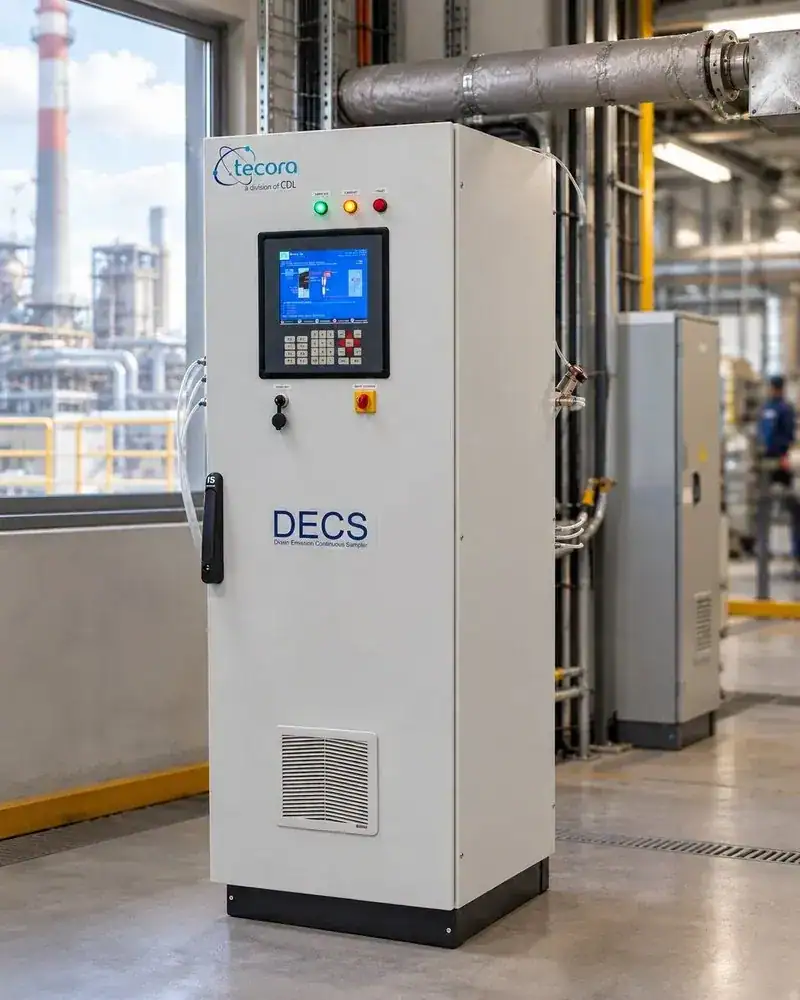
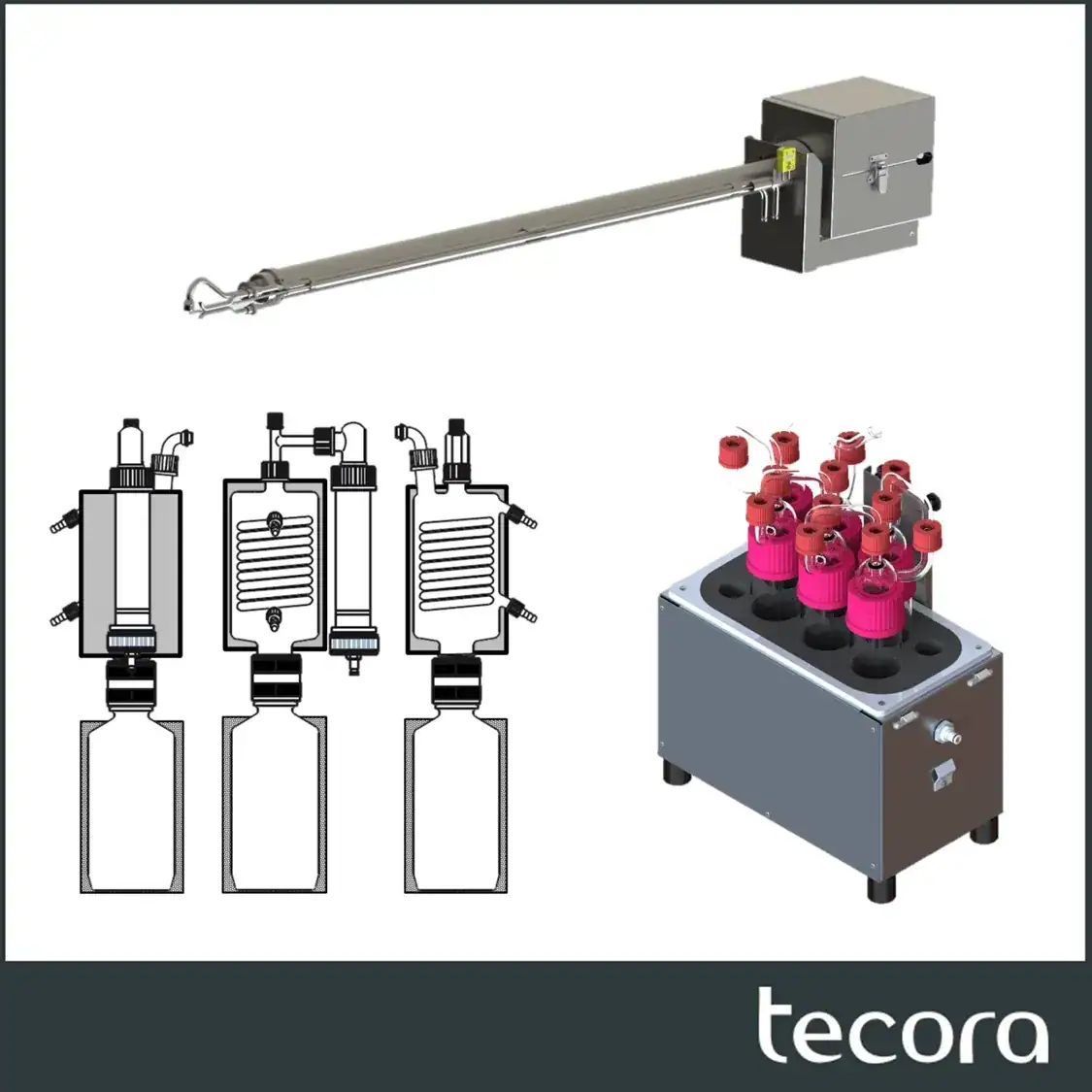
CDL-Tecora has designed and manufactured sampling instruments for persistent organic pollutants in industrial emissions for many years, notably through the DECS, the reference system for sampling dioxins, furans (PCDD/PCDF), PCBs and other persistent organic pollutants, compliant with the EN 1948 and USEPA Method 23 standards. This architecture (trapping on an adsorbent medium, strict control of sampling temperatures, a design allowing both short and long-term sampling campaigns) relies on methodological principles directly related to those used by the emerging methods for measuring PFAS in air, such as XP X 43-126 and OTM-45.

Regulatory Outlook

The regulatory trajectory for PFAS in industrial air is gradually taking shape but remains, to date, fragmented between several national and sector initiatives that are not yet unified. Member States' transposition of the IED 2.0 directive, expected by 1 July 2026 at the latest, should gradually clarify how the competent authorities integrate PFAS into the operating permits issued to the installations concerned, even though it does not set a single harmonised threshold at this stage. The work of CEN/TC 264 on a dedicated European method, although still without an announced publication timetable, is the milestone most likely to eventually bring the currently disparate national references into line.
What we offer

Recommended instruments

Continuous dioxin and furan sampler DECS (view 2)Made in France
Emissions monitoring

Continuous Dioxin and Furan Sampler – DECS

Continuous dioxin and furan sampler

The DECS is CDL-Tecora's solution for continuous sampling of emissions of dioxins, furans (PCDD/PCDF), PCBs and other persistent organic pollutants (POPs), compliant with EN 1948 and USEPA Method 23.

View product
Outstack heated isokinetic sampling probe (view 2)Made in France
Emissions monitoring

Heated Isokinetic Sampling Probe – Outstack Sampling

Multi-pollutant heated isokinetic sampling probe

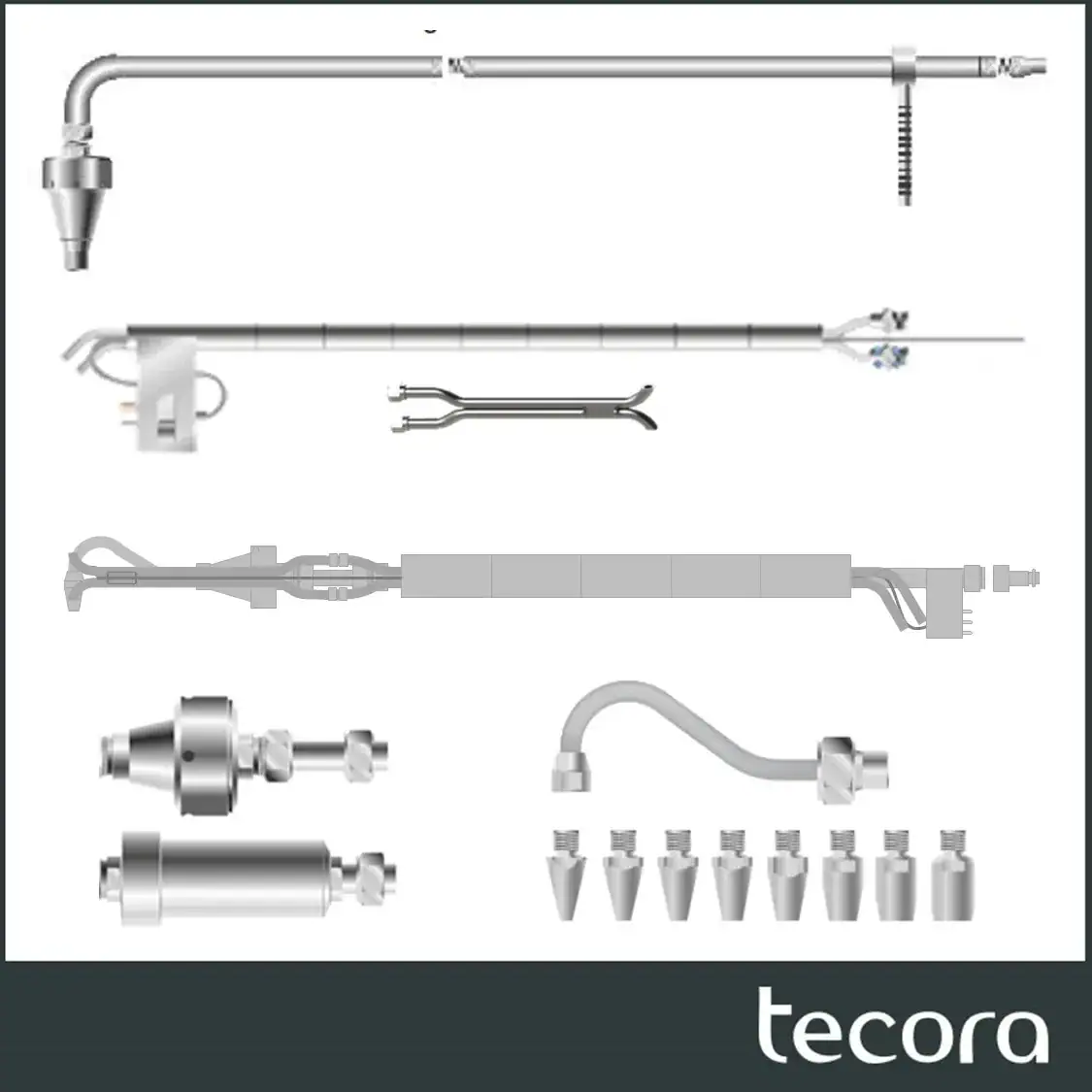
CDL-Tecora's Outstack probe is a heated isokinetic sampling probe designed for industrial atmospheric discharge monitoring campaigns. Its modular design adapts to measurement protocols for particles, heavy metals, acid compounds, dioxins and furans.

View product
Instack unheated isokinetic sampling probe — industrial emissions measurement, CDL-TecoraMade in France
Emissions monitoring

Non-Heated Isokinetic Sampling Probes – Instack

Non-heated isokinetic sampling probe for dust measurement

CDL-Tecora's Instack probe is a non-heated isokinetic sampling probe dedicated to dust measurement campaigns on stationary sources. Compliant with the EN 13284-1, ISO 9096 and US EPA Method 17 standards, it makes it possible to collect representative samples for monitoring industrial atmospheric discharges.

View product
EmiTest Guard gas drying and conditioning system — industrial emissions measurement, CDL-TecoraMade in France
Emissions monitoring

Gas Drying and Conditioning System – EmiTest Guard

Gas drying and conditioning system before sampling

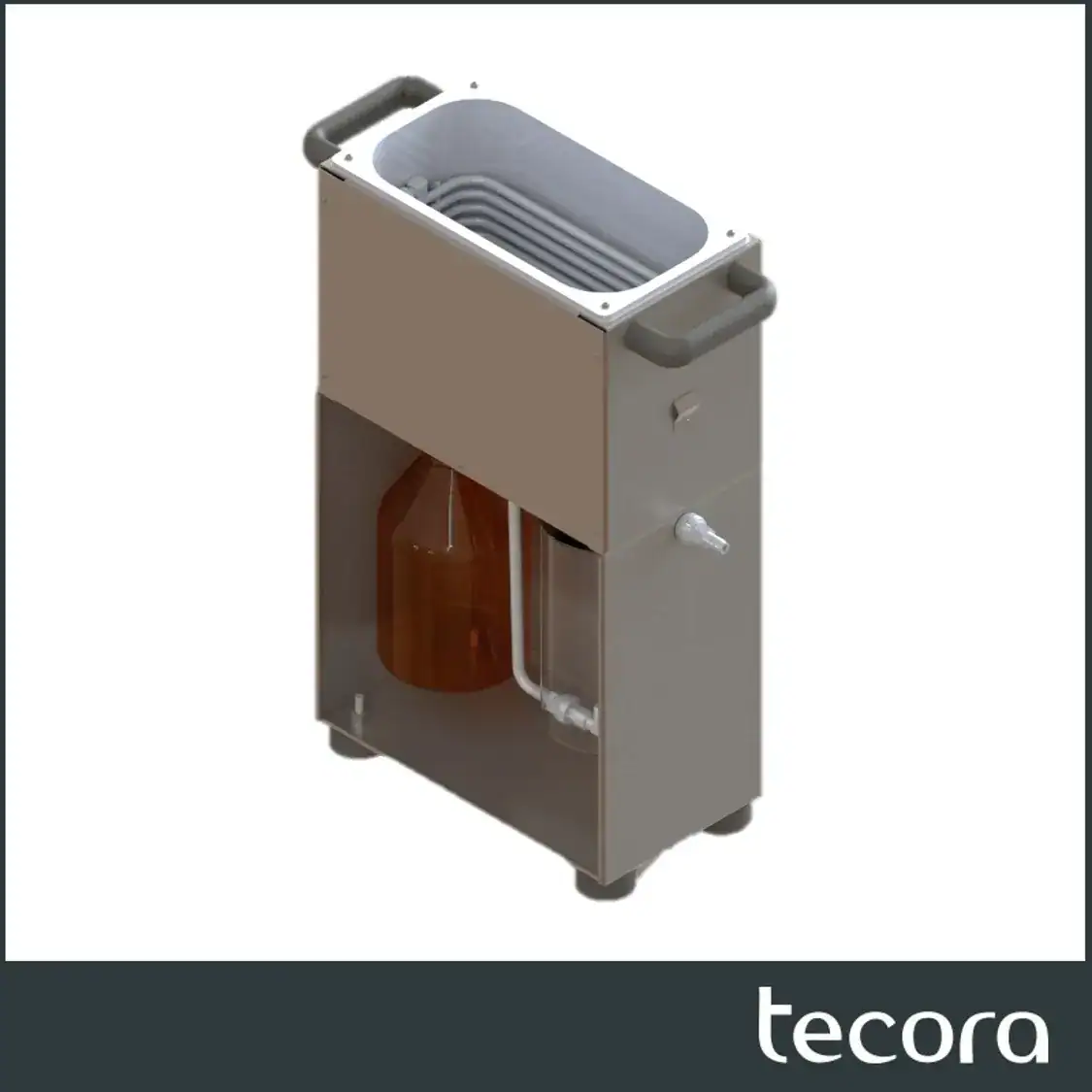
The EmiTest Guard is CDL-Tecora's gas drying and conditioning system, designed to remove water vapour from gaseous effluents before their transfer to the sampling devices. Its compact all-in-one design combines cooling, condensate recovery and final drying.

View product
EmiTestThermo temperature controller — industrial emissions measurement, CDL-TecoraMade in France
Emissions monitoring

Temperature Controller – EmiTest Thermo

Temperature controller for heated probes and sampling lines

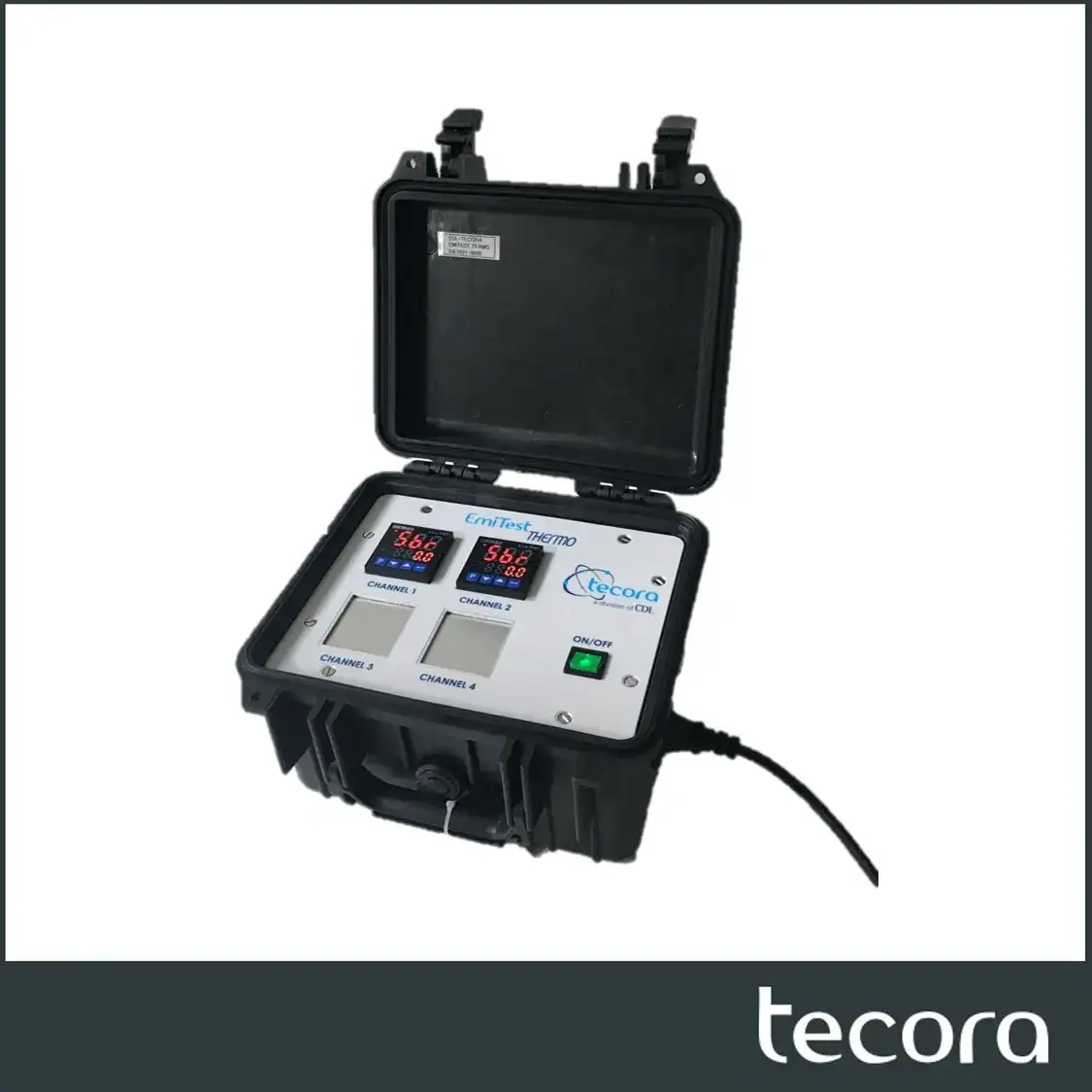
The EmiTestThermo is the CDL-Tecora temperature controller dedicated to the precise control of heated equipment in gas and particulate sampling chains. It limits condensation and preserves the integrity of samples until they are analysed.

View product
Frequently asked

FAQ

Questions about this topic? Here are the most common answers.

Another question?
What distinguishes a PFAS from another persistent organic pollutant such as dioxins?

PFAS and dioxins share a key property (environmental persistence) but differ radically in their origin and chemical diversity. Dioxins are unintentional by-products of combustion, limited to 210 related congeners of which 17 are toxicologically significant. PFAS, by contrast, are substances manufactured intentionally for their useful properties (thermal resistance, hydrophobicity), and comprise several thousand compounds with very varied chemical structures, which makes exhaustive measurement markedly more complex.

Why are PFAS called "forever chemicals"?

This nickname comes from the exceptional stability of the chemical bond between carbon and fluorine, one of the strongest single bonds in organic chemistry. This stability, sought industrially for its resistance properties, prevents the natural degradation of most PFAS in the environment, hence their gradual accumulation in soils, water and living organisms over very long timescales.

Is there a harmonised European standard for measuring PFAS in industrial air?

No, to date no harmonised European or international (CEN/ISO) standard for sampling and analysing PFAS in air has been finalised. CEN/TC 264 has launched a dedicated working group, but with no known publication timetable. The references available remain national or experimental, such as the French standard XP X 43-126.

Which installations are covered by the PFAS measurement obligation in France?

The order of 31 October 2024 requires PFAS air measurement campaigns at waste incineration and co-incineration plants falling under ICPE headings 2770, 2771, 2971 and 3520, with deadlines staggered between the end of 2025 and 2028 depending on the type of installation.

Is CDL-Tecora's DECS certified compliant for PFAS sampling?

No, the DECS is not presented as compliant with a PFAS standard, in the absence of a harmonised and fully finalised sampling reference at European or international level to date. It is, however, described as a transferable sampling architecture, whose methodological principles (trapping on an adsorbent medium, temperature control) are related to those of the emerging methods for measuring PFAS in air.

Why is it so difficult to measure all PFAS in a single analysis?

Because the PFAS definition covers several thousand compounds with a highly heterogeneous chemical structure (acids, sulfonates, volatile precursors, polymers) split between the gas phase and the particulate phase in an industrial effluent. The methods currently available, such as XP X 43-126 or OTM-45, each cover only a subset of about fifty semi-volatile polar PFAS compounds, not the full chemical spectrum of the family.

What are the main industrial uses behind PFAS emissions to air?

The main documented sources include aqueous film-forming fire-fighting foams (AFFF), certain semiconductor manufacturing processes, metal surface treatment and electroplating, the formulation of paints and resistant coatings, and the incineration of waste containing PFAS or their precursors (coated textiles, treated packaging, spent foams).

Are PFOA and PFOS classified as carcinogens?

The International Agency for Research on Cancer (IARC) classified PFOA as carcinogenic to humans (group 1) in November 2023, on the basis of sufficient evidence in animals and strong mechanistic evidence in humans, together with limited evidence of kidney and testicular cancer. PFOS was, in the same assessment, classified as possibly carcinogenic to humans (group 2B).

Are PFOA and PFOS banned internationally?

PFOS and its derivatives were listed in Annex B of the Stockholm Convention on Persistent Organic Pollutants in 2009 (restriction with specific exemptions), PFOA in Annex A in 2019 (elimination, with limited exemptions), and PFHxS and its derivatives in 2022. A much broader restriction proposal for the whole PFAS family, submitted in 2023 to ECHA under the REACH regulation, is still under scientific evaluation.

A question on this topic? Our experts can help.

Personalised advice and a fast quote for your measurement project.