EN 14181: Quality Assurance of Automated Measuring Systems (QAL1, QAL2, QAL3, AST)
The European framework that guarantees the metrological reliability of continuous analysers (CEMS) on channelled emissions
The EN 14181 standard (NF EN 14181) defines the quality assurance framework applicable to automated measuring systems (CEMS) permanently installed on channelled emissions from stationary sources. It organises this control into four levels (QAL1 (type certification of the instrument), QAL2 (site-specific calibration), QAL3 (continuous drift monitoring by the operator) and AST (annual surveillance test)) and is not itself a sampling method: QAL2 and AST require the CEMS to be compared with the corresponding manual reference method (for example EN 13284-1 for dust or EN 1948 for dioxins), measured in parallel on the same duct.
Key figures
NF EN 14181Standard
QAL1 · QAL2 · QAL3 · AST4 QA levels
Comparison with the reference methodPrinciple
EN 14181, entitled "Stationary source emissions: Quality assurance of automated measuring systems", meets a simple need: large industrial installations subject to emission limit values (ELVs) under the IED directive and French ICPE orders cannot simply install a continuous analyser (CEMS) and trust it indefinitely: they must also prove, over time, that the data it produces remains metrologically reliable. Transposed in France as NF EN 14181 (latest revision 2014), it is explicitly referred to in the regulatory texts on continuous monitoring of atmospheric discharges in sectors such as waste incineration, cement production and large combustion plants.
QAL2 and AST require a comparison with the manual reference method (SRM) specific to each pollutant, measured in parallel with the CEMS
Site-specific calibration function
Established by linear regression (method A) or mean ratio (method B) from pairs of CEMS/reference method measurements
QAL3 managed by the operator
Control charts (Shewhart, CUSUM, EWMA) on zero and span drift between two QAL2 campaigns
On the ground
Points to watch
01
Do not confuse QAL2 and AST
QAL2 (carried out at installation and generally renewed about every three years, or after any significant change to the process or analyser) establishes or fully revises the calibration function; the AST, carried out each year between two QAL2s, merely revalidates it with fewer pairs of measurements. Confusing the two exposes you to an inadequate regulatory check.
02
Choose a representative operating range
The CEMS/reference method pairs of measurements for QAL2 must cover the plant's real operating range, including values close to the emission limit value; a campaign carried out only under stable nominal conditions does not validate the analyser's behaviour across its whole range of use.
03
Ensure both measurements are simultaneous
The CEMS and the reference method must sample the same gas stream over strictly synchronised periods and from representative sampling points; a time lag or a non-homogeneous measurement point invalidates the statistical comparison.
04
Make the reference measurement itself reliable
The CEMS calibration function is never better than the reference method used to establish it: correct isokinetic ratio, absence of cross-contamination and leak-tightness of the sampling line are prerequisites for QAL2 or AST to have metrological value.
05
Do not relax QAL3 monitoring between campaigns
A poorly maintained QAL3 (drift checks too far apart, control charts not used) can let an analyser drift for months without anyone noticing before the next AST or QAL2.
What we offer
Instruments compliant with this standard
CDL-Tecora product families most used to comply with this standard — click through to see every instrument in the family.
Is EN 14181 a sampling method like EN 13284-1 or EN 1948?
No. EN 14181 is a quality assurance framework that organises the certification, calibration and monitoring of continuous analysers (CEMS): it describes no sampling or analysis technique of its own. To establish or verify the reliability of a CEMS (QAL2 and AST steps), it requires it to be compared with the manual reference method corresponding to the pollutant measured: EN 13284-1 for dust, EN 1948 for dioxins and furans, EN 13211 or CEN TS 17286 for mercury, for example.
What is the difference between QAL1 and QAL2?
QAL1 is a suitability assessment carried out once by the manufacturer, in the laboratory and in the field, under the EN 15267 series: it certifies that an analyser model is capable of meeting the required measurement uncertainty, before any purchase by an operator. QAL2 follows, at the operator's final site: through measurements in parallel with the reference method, it establishes the calibration function specific to that site and that precise measurement point.
How often must a QAL2 and an AST be carried out?
In current regulatory practice, a full QAL2 is carried out when the analyser is commissioned and then renewed about every three years, or after any significant change to the process, the duct or the analyser itself. Between two QAL2s, an AST is carried out each year to revalidate the existing calibration function, with a lighter parallel measurement campaign than a full QAL2. The precise requirements remain set by the supervisory authority and the order applicable to the site.
How is the calibration function established during a QAL2?
The body in charge of the QAL2 carries out a series of simultaneous measurements between the CEMS and the manual reference method, over a range representative of the plant's operating conditions. The pairs of values obtained are then processed by linear regression (method A) when the spread of the data allows, or by a mean ratio (method B) when the reference values are too closely grouped for a reliable regression; finally, a variability test checks that the uncertainty of the resulting function remains compliant with the regulatory requirement for the pollutant concerned.
What exactly is QAL3, and who carries it out?
QAL3 is a continuous monitoring programme managed directly by the plant operator between two QAL2 campaigns. It consists of regularly checking, using reference gases or materials, that the analyser's zero and span do not drift, and plotting these checks on a statistical control chart (Shewhart, CUSUM or EWMA). When an alert limit is crossed, a maintenance action is triggered before the drift compromises the validity of the data transmitted to the supervisory authority.
Which CDL-Tecora instruments are used in a QAL2 or AST campaign?
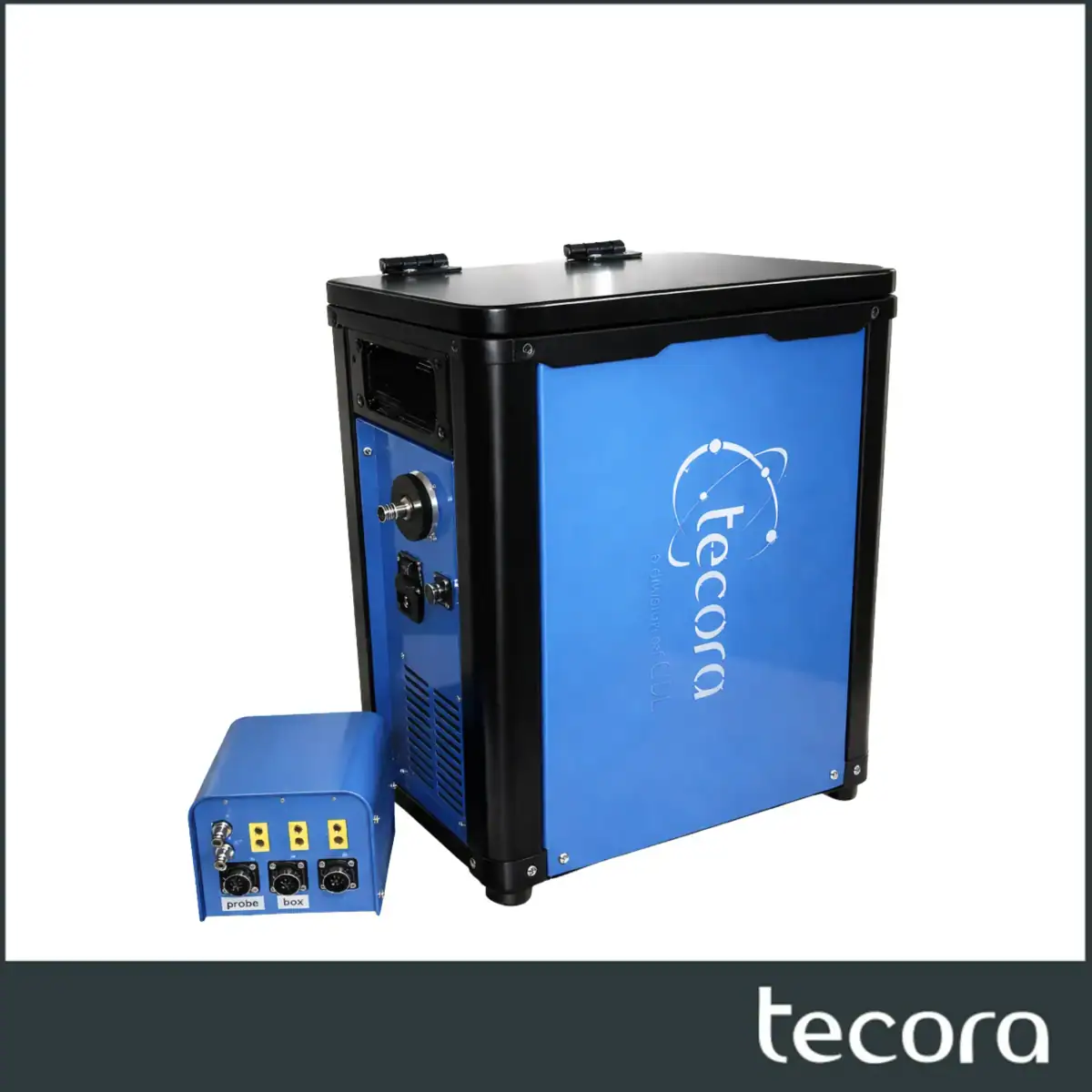
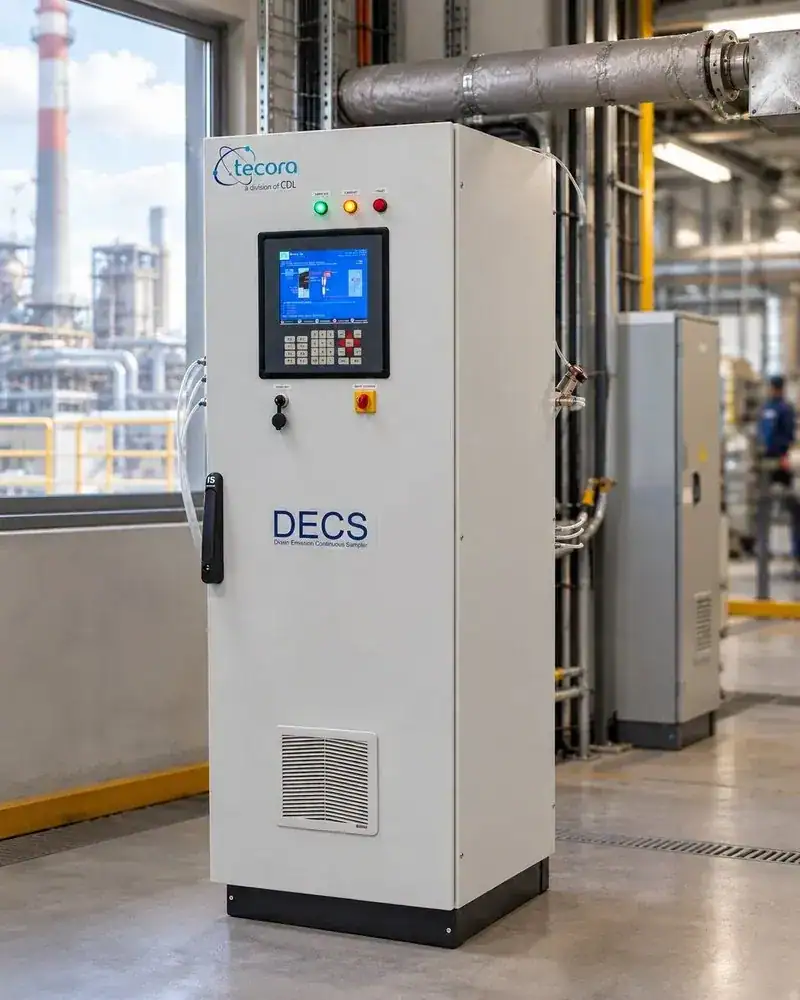
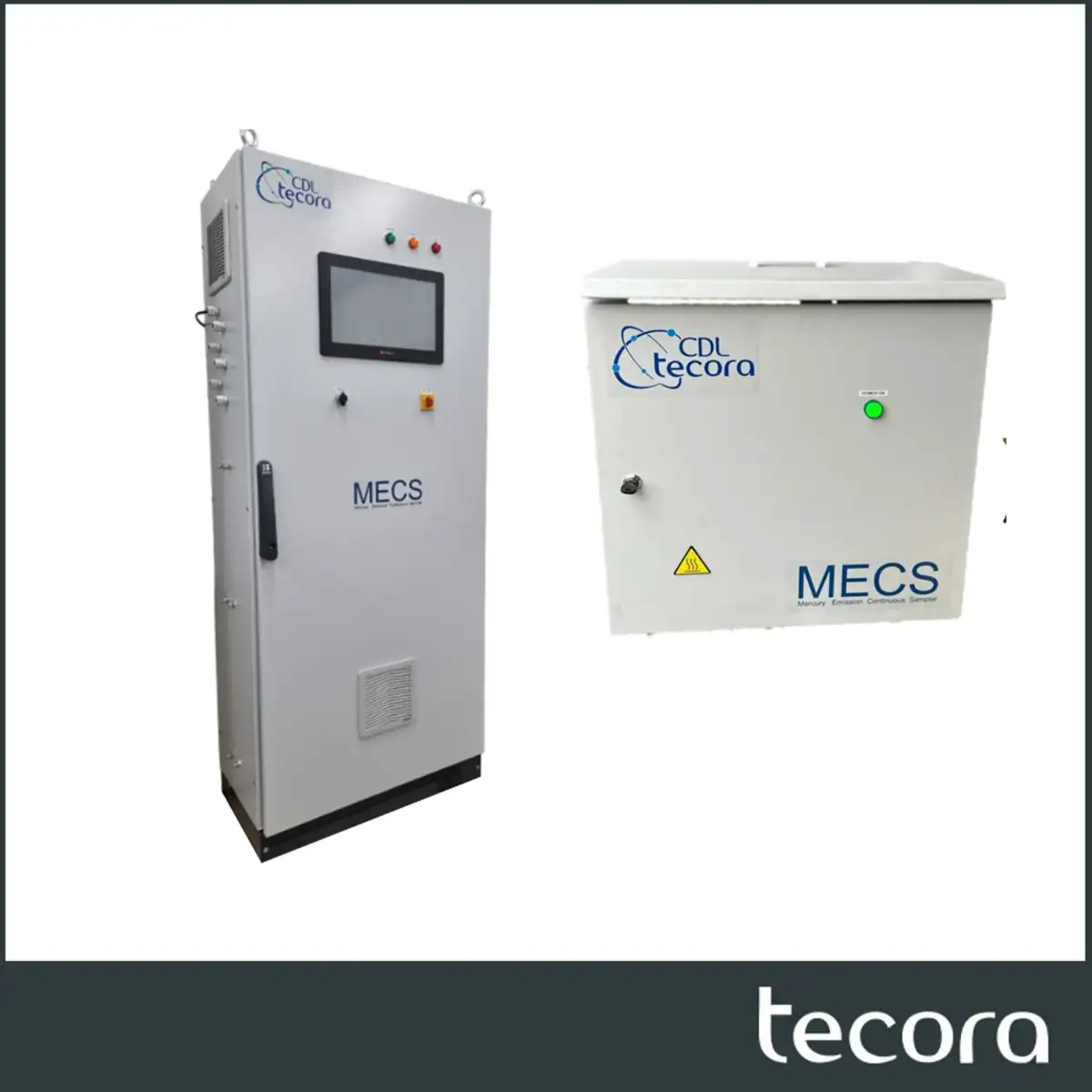
CDL-Tecora does not manufacture CEMS, but it does make the manual sampling instruments that serve as the reference method during these campaigns: the EmiTest/Outstack/Instack family of isokinetic probes for dust and metals according to EN 13284-1, the DECS for dioxins, furans and POPs according to EN 1948, and the MECS for mercury according to CEN TS 17286. It is these parallel measurements, carried out to the highest standards, that allow the certifying body to establish or revalidate the calibration function required by EN 14181.
Preparing a measurement campaign? Our experts can help.
Personalised advice, a fast quote and technical support to choose the right instrument for this standard.