Combustion
Steel Industry
Blast Furnaces, Electric Furnaces and Emissions Monitoring
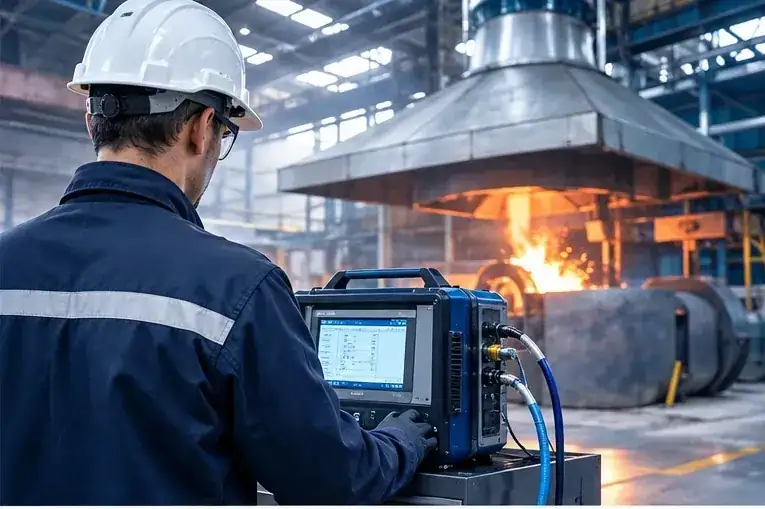
Blast furnaces, electric arc furnaces and heat-treatment lines require precise combustion control and monitoring of dust, heavy metal and dioxin emissions. CDL-Tecora equips the steel industry with combustion analysers and emissions instruments compliant with the Iron and Steel BREF.
Key facts
- Iron and Steel BREF (IED)Sector reference document
- Reheating furnace (ADP100)Process cited as an example
Electric arc furnaces
Primary emissions captured at the furnace shell and secondary emissions captured by roof hoods, before common dust extraction
Reheating furnaces
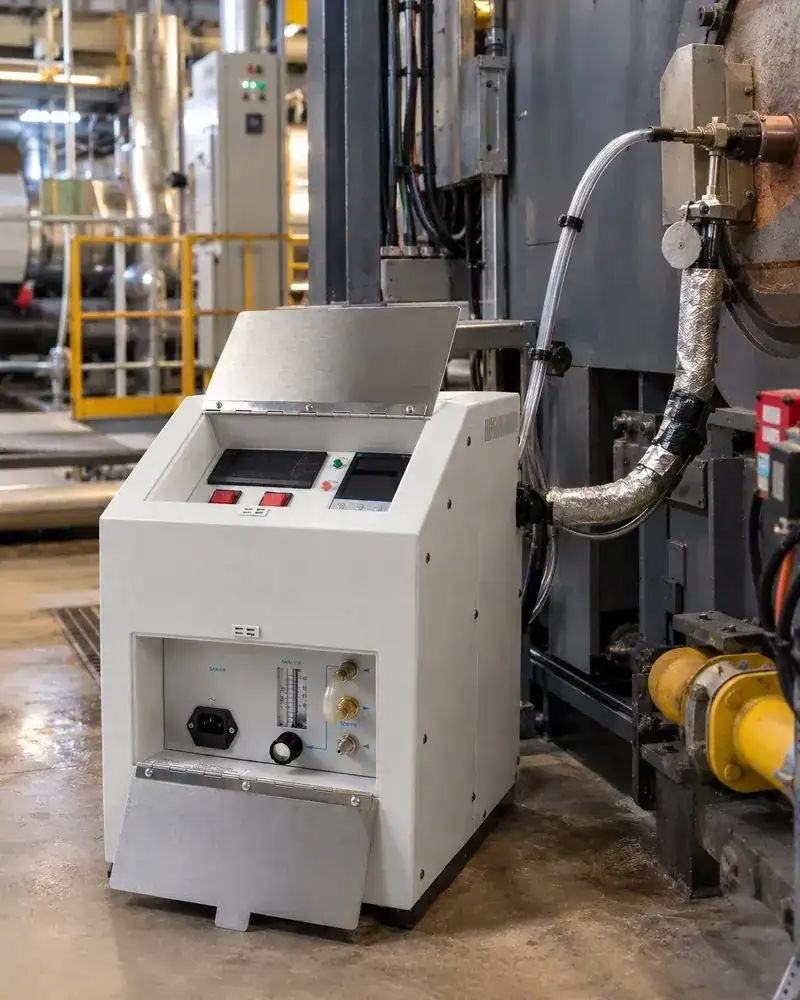
Air/gas ratio control for metallurgical quality and energy efficiency (ADP100)
Sinter plants
Monitoring of dioxins and furans (PCDD/F), one of the most closely followed industrial sources in the sector
Iron and Steel BREF compliance
Best available techniques made binding by Implementing Decision 2012/135/EU, process by process
Harsh environments
Dust, radiant heat and vibration call for robust instruments throughout the production line
Sector challenges
Business challenges
Variety of emission sources
Coke oven, sinter plant, blast furnace, arc furnace, rolling: each process has its own thresholds and measurement methods under the Iron and Steel BREF.
Capturing secondary emissions from arc furnaces
Diffuse fumes from charging, tilting and tapping are harder to capture fully than the primary emissions drawn directly from the furnace shell.
Flame stability in reheating furnaces
A poor air/gas ratio degrades the quality of steel heating and increases gas consumption.
Monitoring dioxins at sinter plants
Monitoring PCDD/F requires rigorous sampling and analysis methods, spot or long-term, on a source recognised as one of the highest emitters in the industrial sector.
High-temperature environments
Instruments must withstand severe thermal and dusty conditions, throughout the production line, without measurement drift.
What we offer
Our solutions for this sector
The CDL-Tecora families most used in this sector — click to see all the instruments in the family.


Regulatory framework
Applicable standards and regulations
Directive 2010/75/EU (IED)
Industrial emissions
Iron and Steel BREF
Best available techniques reference document for the steel sector
Implementing Decision 2012/135/EU
BAT conclusions making the best available techniques legally binding for iron and steel production
Measurement of low dust concentrations
Reference method for sampling and analysing dioxins and furans (PCDD/F) in channelled emissions
FAQ
Have questions about this sector? Here are the most frequent answers.
Another question?How is the ADP100 useful in the steel industry?
The ADP100 continuously measures and regulates the air/gas ratio of reheating furnace burners, to stabilise the flame and optimise the process's energy efficiency.
What are the main sources of dust in the steel industry?
Electric arc furnaces (primary and secondary emissions) and sinter plants are the most closely monitored sources, with dedicated capture and filtration systems.
What is the difference between primary and secondary emissions on an electric arc furnace?
Primary emissions are captured directly above the melt by a nozzle or a direct furnace-shell suction system. Secondary emissions escape more diffusely during charging, tilting or tapping: they are captured by roof hoods or general building extraction, before dust removal.
Why are sinter plants particularly monitored for dioxins?
Sinter plants are among the most significant industrial sources of dioxins and furans (PCDD/F) in Europe. Their monitoring relies on the EN 1948 reference method, possibly supplemented by long-term sampling systems that smooth out process variability.
What is the Iron and Steel BREF and how does it differ from a simple standard?
The Iron and Steel BREF is the technical document that describes the sector's best available techniques (BAT). Its conclusions were made legally binding by Implementing Decision 2012/135/EU: operators must demonstrate that their installations meet the performance levels associated with the BAT selected for each process.
Do an integrated steelworks and an electric-route site have the same measurement challenges?
No. An integrated site adds to the common challenges (reheating furnaces, rolling) the emissions specific to the coke oven, sinter plant and blast furnace, whereas an electric-route site concentrates most of its challenges on the arc furnace and continuous casting.
Why must measuring instruments be reinforced in the steel industry?
The combination of radiant heat, abundant dust and mechanical vibration typical of steelworks requires instruments designed to withstand these constraints without measurement drift over time.
Is steel emissions monitoring limited to dust?
No: depending on the workshop concerned, monitoring also covers heavy metals, nitrogen oxides from combustion, volatile organic compounds from coating lines, and dioxins and furans at sinter plants.
Do finishing workshops (pickling, cold rolling, coating) have specific measurement challenges?
Yes: acid pickling of hot-rolled strip generates acid mists, while rolling oils and the resins of coating lines are sources of volatile organic compounds, challenges distinct from those of the furnaces and converters upstream.

A project in this sector? Our experts are ready to help.
Personalised advice, a fast quote and technical support to choose the solution suited to your challenge.