
Context and Objectives of the Revision
The Industrial Emissions Directive (IED, 2010/75/EU) has for over a decade been the European regulatory foundation for integrated pollution prevention and control: it subjects large industrial and agricultural installations to a permitting regime based on best available techniques (BAT), documented in sector reference documents (BREF), one chapter of which (the BAT conclusions) is legally binding. After more than ten years of application, the European Commission launched a revision of this text within the framework of the European Green Deal and the "zero pollution" ambition for 2050, with a threefold finding: the original scope left out sectors with a high environmental impact, the leeway left to competent authorities to set emission limit values within BAT ranges was too often used in the least restrictive direction, and the transparency of emissions data towards the public remained insufficient.
Extended Scope: Intensive Livestock Farming and Metal Mines
One of the most discussed changes in IED 2.0 is the extension of its scope to intensive livestock farming, previously covered only partially by the 2010 directive (which targeted only certain pig and poultry farms above high thresholds). The revised text adopts new thresholds, expressed in livestock units (LU): pig farms exceeding 350 LU, poultry farms exceeding 280 LU (300 LU for laying hen farms) and mixed holdings combining several species above 380 LU now fall within the scope of the directive. Extensive farming, family farming and farming for self-consumption remain excluded from the scheme, however: an exemption clause obtained during the inter-institutional negotiations to protect small holdings. A notable point of the final compromise: cattle farms, initially included in the European Commission's proposal, were removed from the final scope following the negotiations between the European Parliament and the Council.
Strengthened BAT Approach and Emission Limit Values
The core of the IED framework rests on the best available techniques conclusions (BAT conclusions), which define for each sector BAT-associated emission levels (BAT-AEL) in the form of ranges, within which the competent authority sets the emission limit value (ELV) written into the operating permit. Under the 2010 regime, nothing required authorities to favour the strictest end of these ranges, and experience accumulated since the text came into application has shown that a large majority of installations were given ELVs aligned with the most permissive levels allowed by the BAT-AELs. IED 2.0 reverses this default logic: the competent authority must now aim for the strictest end of the BAT-AEL range achievable for the installation concerned, taking into account cross-media effects (air, water, soil) and the technical conditions specific to the site.
PFAS and Emerging Substances
The revision adds several substances to the list of main polluting substances in Annex II of the directive, including two per- and polyfluoroalkyl substances (PFAS): perfluorooctanoic acid (PFOA) and its salts, and perfluorohexane sulfonic acid (PFHxS), alongside dicofol (an organochlorine pesticide, unrelated to PFAS). This listing in Annex II paves the way for setting, case by case, emission limit values for these substances in the environmental permits issued to the installations concerned, without however establishing at this stage a single harmonised threshold applicable across the European Union. The directive also provides that the European Commission will publish, by 2026 at the latest, a review of this Annex II accompanied by guidance on the methodology for measuring these emerging substances, an area closely followed by the whole emissions monitoring sector, in a context where no harmonised European or international standard for sampling and analysing PFAS in air has been finalised to date.
Transformation Plans and Environmental Management System
Among the most structuring novelties of IED 2.0 is the obligation for operators of installations covered by the directive to put in place an environmental management system (EMS) by 30 June 2030 at the latest (or, for installations commissioned after that date, from commissioning). This EMS becomes a central regulatory tool, strengthening the operator's responsibility for the continuous monitoring of its environmental performance and the gradual improvement of its practices, beyond mere one-off compliance with the emission limit values set in the permit.
Strengthened Transparency: The European Industrial Emissions Portal
In parallel with the revision of the IED, the European Union adopted in spring 2024 a new regulation establishing the European industrial emissions portal (Industrial Emissions Portal Regulation, IEPR), which entered into force during 2024 and is closely tied to the reporting obligations of IED 2.0. This regulation is set to replace, from 1 January 2028, the current European Pollutant Release and Transfer Register (E-PRTR), with a notable methodological change: reporting will now be done at installation level and no longer at the level of the establishment alone, for finer granularity of information. The first data reported under this new framework will relate to the year 2027 and will be published in 2028.
Practical Implications for Emissions Monitoring
The tightening of the BAT-AEL approach and the broadening of the IED's scope mechanically translate into stronger demand for reliable, traceable emissions measurements, across a wider range of installations. The reference measurement standards already in force for the pollutants historically covered by the IED remain fully relevant and gain in importance as limit values tighten: the EN 13284 standard for dust and particles, EN 1948 for dioxins, furans and PCBs, EN 14385 for heavy metals, and EN 13211 for mercury specifically, remain the reference methods for the periodic inspections and measurement campaigns required by operating permits.
CDL-Tecora Instruments and Solutions
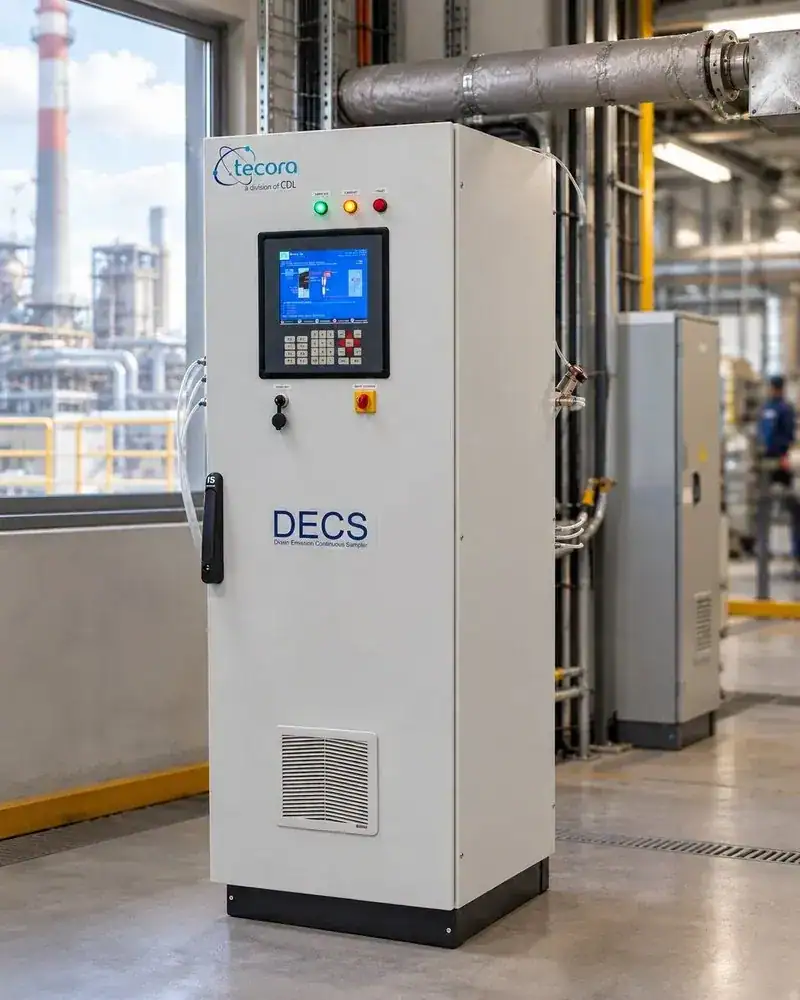
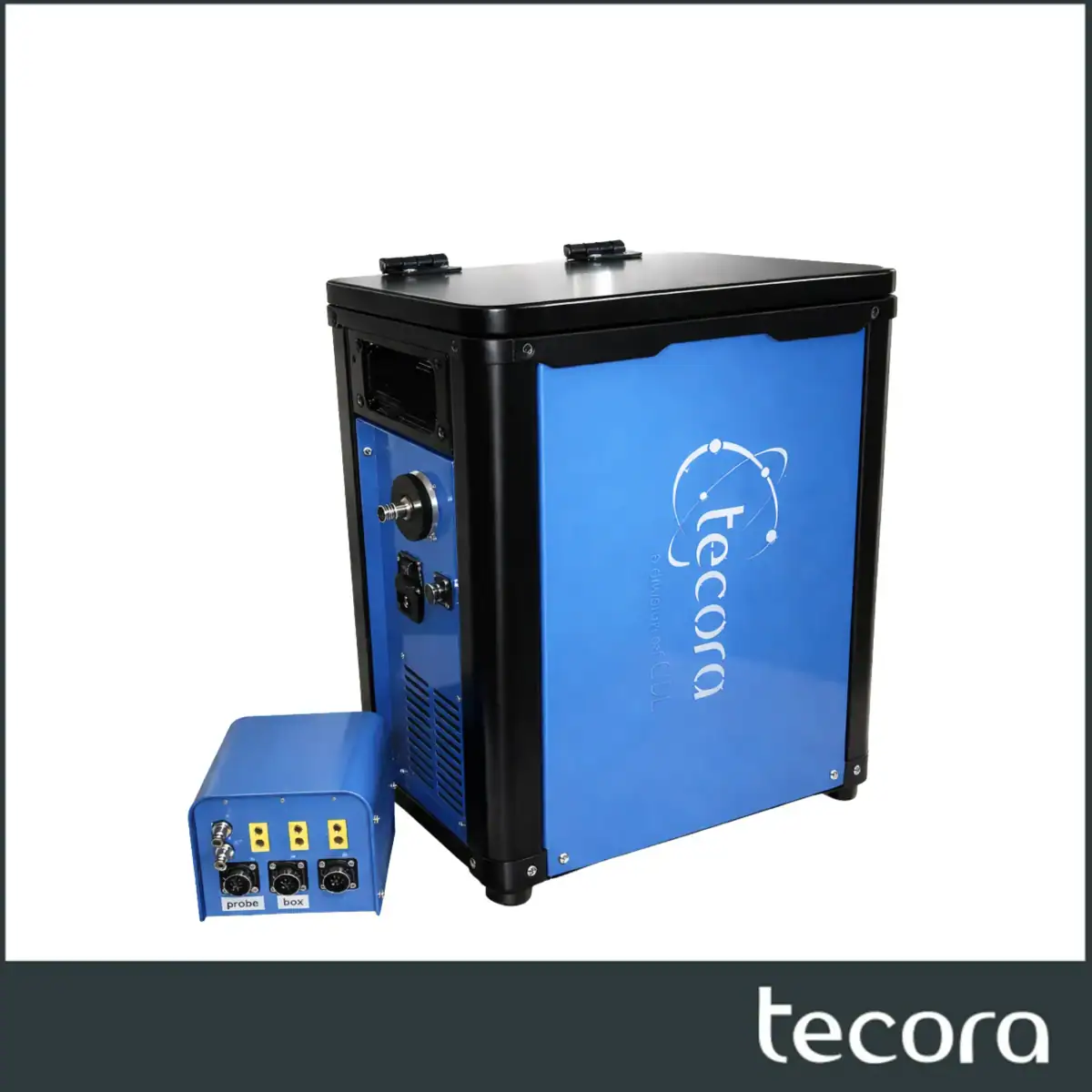
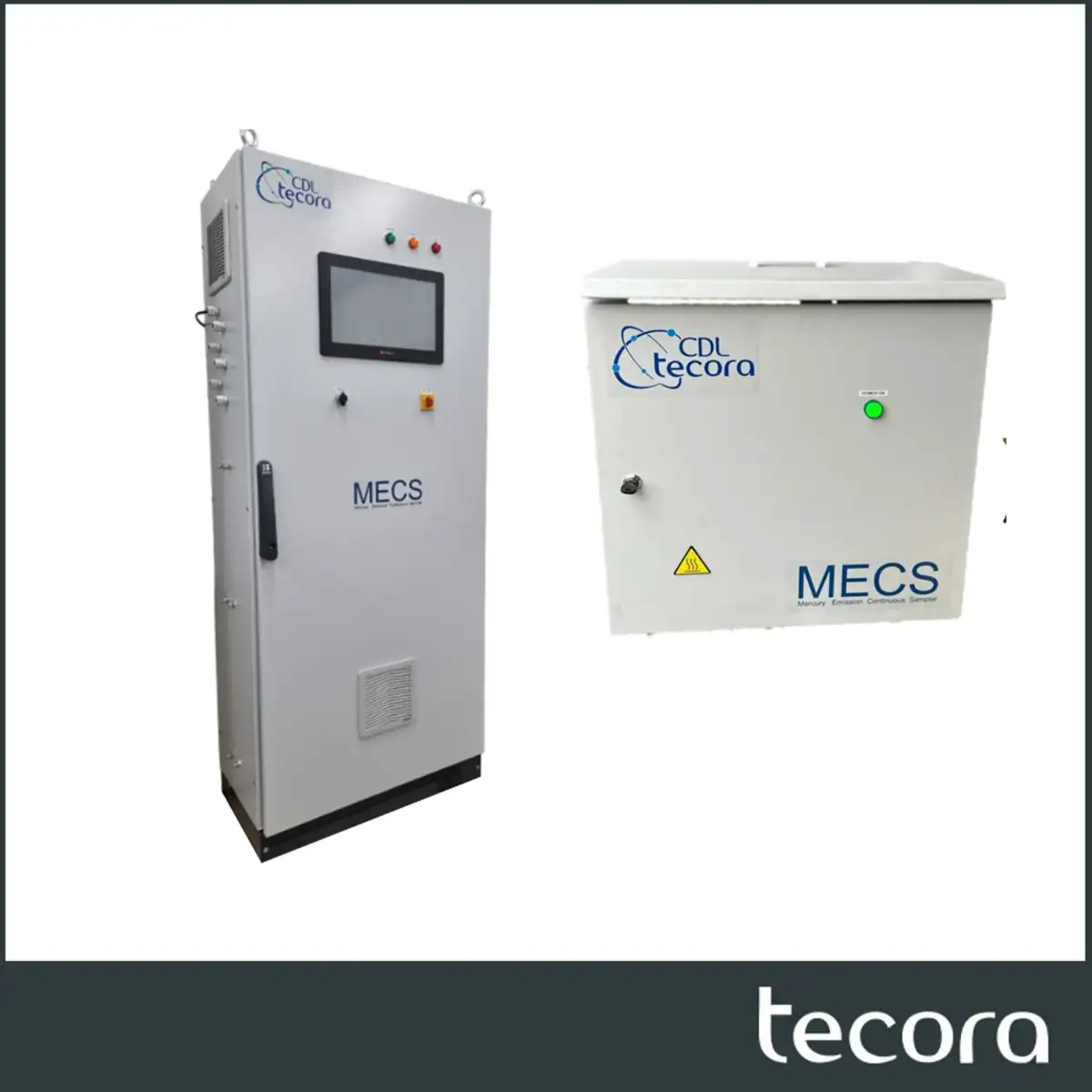
CDL-Tecora's entire range of emissions sampling and measurement is indirectly affected by the strengthening of the IED, insofar as the directive does not itself prescribe equipment but imposes a monitoring obligation whose technical implementation relies on the measurement standards presented above. The isokinetic sampling probes, namely the EN 13284-1 probe, the Outstack, the Instack and the EmiTest Iso automatic sampler, cover dust and particle measurement needs in accordance with EN 13284-1, a parameter systematically affected by the tightening of BAT-associated limit values in almost all the sectors covered by the IED.
Transposition Timetable and Deadlines for Operators
The implementation timetable of IED 2.0 spreads over several years and combines deadlines of different kinds. The first, legal in nature, concerns Member States: transposition of the directive into national law must take place by 1 July 2026 at the latest, which requires adapting national environmental permitting regimes (in France, in particular, the nomenclature of installations classified for environmental protection, ICPE) to integrate the newly covered sectors, the new Annex II substances and the new transformation plan obligations.
Outlook
IED 2.0 marks a shift in the philosophy of European industrial environmental law: from a framework centred on one-off compliance with emission limit values, the text moves large installations towards a long-term trajectory logic, embodied in transformation plans to 2050 and a closer integration of environmental performance, management system and industrial strategy. This development accompanies, without replacing them, the other European regulatory dynamics affecting the same installations: progressive revision of sector BREFs, enhanced monitoring of per- and polyfluoroalkyl substances, and the expected development of harmonised measurement methods for emerging pollutants.