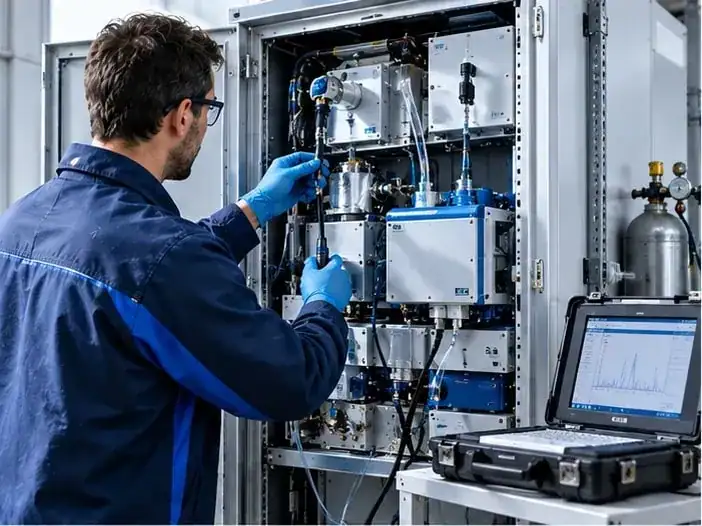
Technician calibrating a continuous automatic analyser (CEMS) cabinet — CDL-Tecora

Technical bible

QAL1/QAL2/QAL3/AST Compliance Explained in Detail: CEMS Quality Assurance

The EN 14181 and EN 15267 framework decoded, from choosing the analyser to daily drift monitoring

QAL1, QAL2, QAL3 and AST form the four quality assurance levels of the European EN 14181 framework, which guarantees that the automated measuring systems (AMS/CEMS) installed on industrial stacks produce reliable data traceable to a reference method. QAL1 (via EN 15267) certifies the instrument model, QAL2 calibrates it at the real site by comparison with a manual reference sample, QAL3 monitors its drift daily, and the AST verifies each year that the calibration remains valid. This bible details the practical sequence of each step and the role of manual reference methods in this framework.

Key figures

  • EN 14181 (4 levels) + EN 15267Standards framework
  • 15, over 3 daysQAL2: minimum parallel measurements
  • lighter check, every yearAST

Why CEMS quality assurance is necessary

An automated measuring system (AMS), more commonly called a CEMS (Continuous Emission Monitoring System), provides continuous concentrations of regulated pollutants (dust, nitrogen oxides, sulphur dioxide, carbon monoxide, mercury depending on the sector) that serve as the basis for demonstrating an industrial installation's compliance with its emission limit values (ELVs). The Industrial Emissions Directive (IED, 2010/75/EU) requires continuous monitoring of these parameters for many categories of installations: large combustion plants, waste-to-energy plants, cement works, and more broadly any installation whose prefectoral operating permit requires it under the regulations on installations classified for environmental protection (ICPE) in France.

QAL1: Type Certification under EN 15267

The first level of quality assurance, QAL1, is not played out at the industrial site but upstream, at the analyser manufacturer: the aim is to demonstrate that an AMS model is, by design, fit to measure a given pollutant within a concentration range and with a level of uncertainty compatible with regulatory requirements. This demonstration is governed by the EN 15267 series of standards ("Automated measuring systems: Performance criteria and test procedures"), whose parts were revised and published in 2023 and 2024. EN 15267-3 in particular sets the performance criteria and test procedures specific to AMS for monitoring stationary source emissions.

QAL2: Site-Specific Calibration in Detail

QAL2 is the step that turns an instrument certified in the abstract (QAL1) into a reliable measuring instrument at a specific site: it consists of comparing, under real operating conditions, the values delivered by the CEMS with those obtained by a manual reference method (Standard Reference Method, SRM) carried out in parallel, at the same measurement point or an equivalent point in the duct. QAL2 is carried out when a new AMS is commissioned, then periodically (the most widespread practice, and the one adopted by French regulations, is renewal every three years) as well as after any substantial change to the process or the measuring system, or when an AST check has revealed that the existing calibration function was no longer valid.

QAL3 Day to Day: Monitoring Drift Between Two Calibrations

Once the calibration function has been established by QAL2, the instrument is not left to itself for the three years separating two campaigns: this is the role of QAL3, the continuous drift monitoring procedure, carried out not by an external body but by the operator itself, as part of its routine operation. QAL3 relies on periodic zero and span checks of the analyser (using certified calibration gases for gas analysers, or built-in optical verification devices for dust measuring instruments) carried out at a regular frequency (daily to weekly depending on the parameter and the type of instrument) and systematically recorded.

The AST: The Lighter Annual Check Between Two QAL2s

Between two QAL2 campaigns three years apart, the AST (Annual Surveillance Test) is an intermediate checkpoint carried out in each year when a full QAL2 is not due. It is a lighter procedure than QAL2: it relies on a minimum of five valid pairs of measurements between the CEMS and the reference method, carried out in a single day on site, compared with the fifteen pairs spread over several days required for QAL2.

The Role of Manual Reference Methods and CDL-Tecora Instruments

The whole QAL2/AST framework rests on the existence of manual reference methods (Standard Reference Methods, SRM), standardised independently for each pollutant, against which the CEMS results are compared: EN 13284-1 for dust, EN 14385 for heavy metals, EN 13211 for mercury, EN 1948 for dioxins and furans. These methods are the same as those used, elsewhere, for conventional periodic regulatory inspection campaigns at installations that do not have continuous monitoring for a given parameter; their status as a metrological reference is therefore twofold: they serve both to check an installation on a one-off basis and to calibrate a continuous measuring instrument.

Common Mistakes and Best Practices

Comparability of the measurement point between the CEMS and the reference method is the first source of error encountered in practice: if the manual sampling point is not representative of the flow at the CEMS extraction point (non-uniform velocity profile, insufficient distance from an aeraulic disturbance (bend, fan)), the data pairs compared do not reflect the same physical reality, and the resulting calibration function is biased from the outset, regardless of the intrinsic quality of each instrument.

Case Study: A Typical Three-Year Timeline

Consider a regulated (ICPE) installation that has just installed a new AMS for continuous dust measurement. Year 0: the operator selects a model with a valid QAL1 certificate under EN 15267-3, in a measuring range suited to its emission limit value; after installation, an initial QAL2 campaign is carried out by an accredited body: one day of functional tests followed by three days of parallel measurements with an EN 13284-1-compliant isokinetic reference sampling train, until at least 15 valid data pairs are obtained, then calculation of the calibration function (method A or B depending on the spread of the results) and validation of the variability test.

Regulatory Outlook

The revision of the Industrial Emissions Directive (IED 2.0, Directive (EU) 2024/1785) strengthens several environmental monitoring and data transparency requirements for the installations concerned, in a context of increasing digitalisation of the transmission of results to the supervisory authorities. This development tends to heighten the importance of robust, documented CEMS quality assurance: data sent more frequently and more automatically to the authorities has value only if the QAL1-QAL2-QAL3-AST chain of trust that underpins it is rigorously respected upstream.
What we offer

Recommended instruments

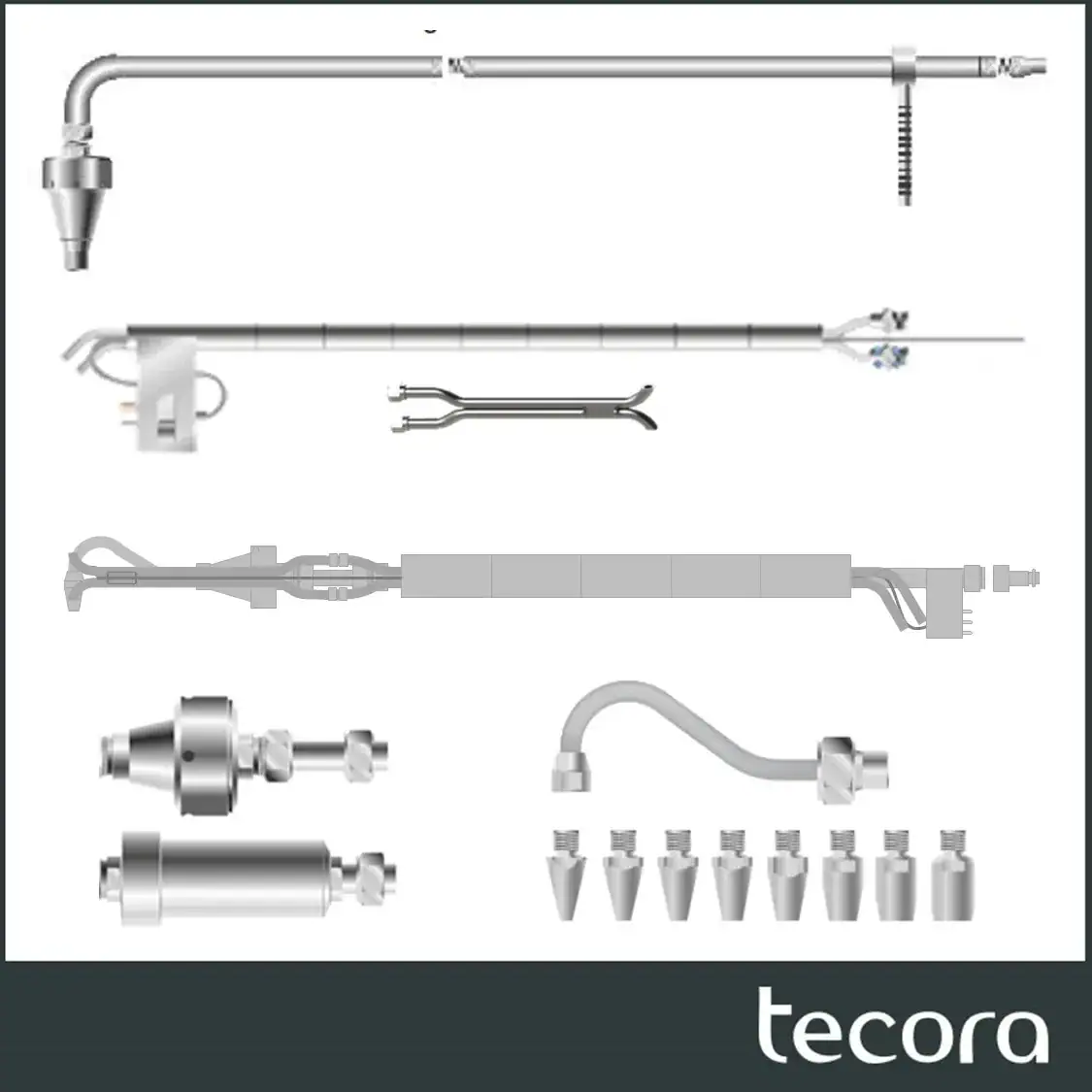
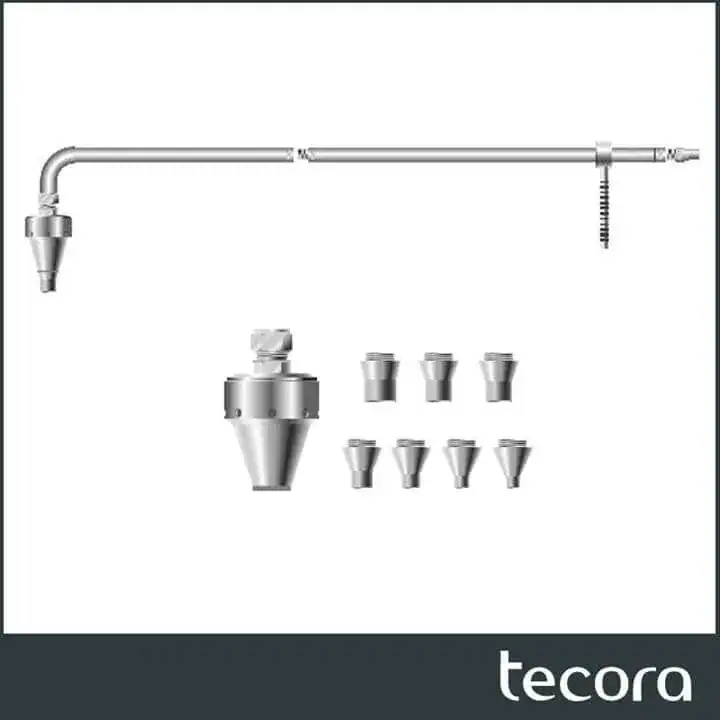
EN 13284-1 elbow isokinetic sampling probe — industrial emissions measurement, CDL-TecoraMade in France
Emissions monitoring

EN 13284-1 Isokinetic Sampling Probe

Isokinetic sampling probe for measuring dust in ducts

The CDL-Tecora EN 13284-1 isokinetic sampling probe is designed for measuring dust and particle concentrations in industrial ducts, in accordance with the main international reference methods (EN 13284-1, ISO 9096, US EPA Method 17).

View product
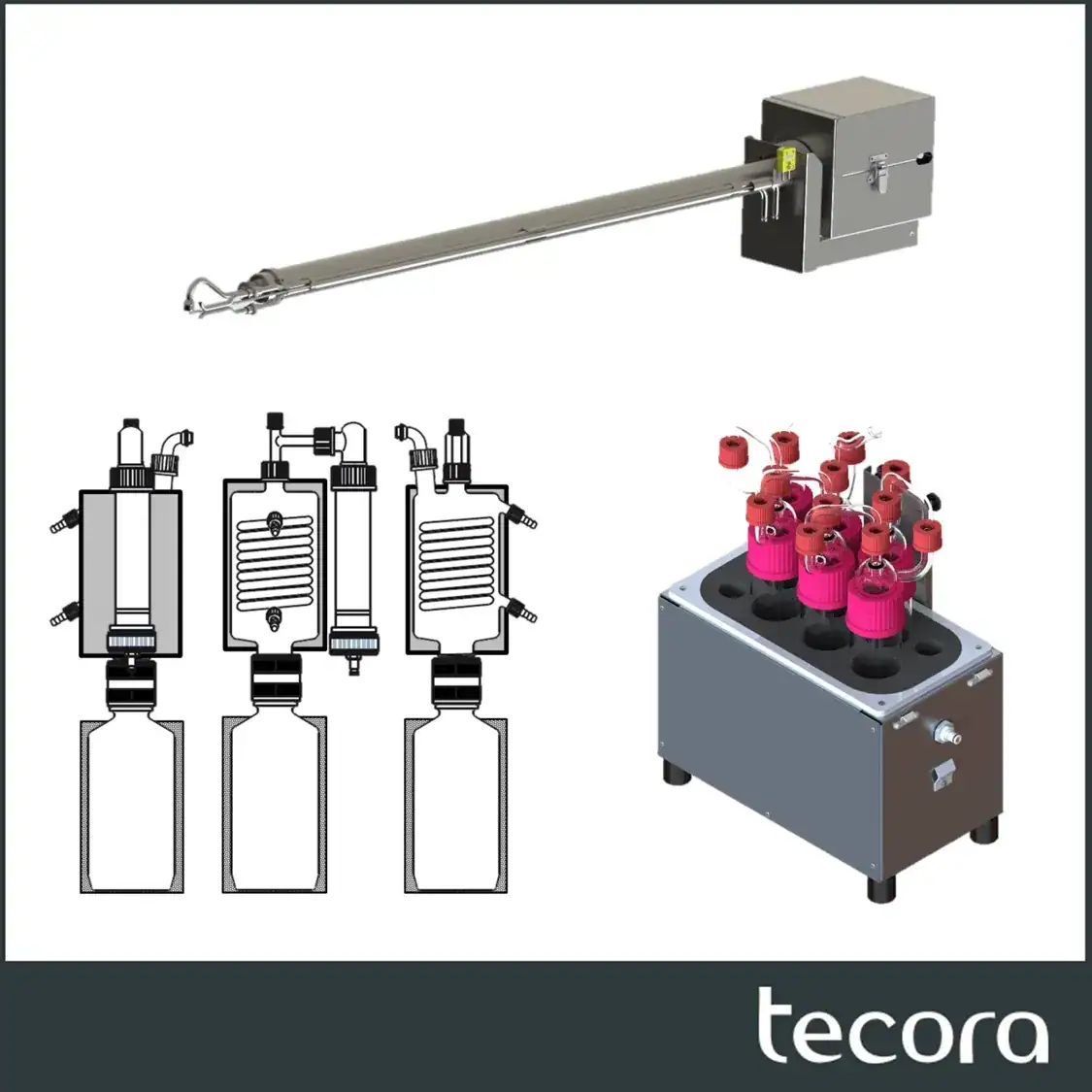
Outstack heated isokinetic sampling probe (view 2)Made in France
Emissions monitoring

Heated Isokinetic Sampling Probe – Outstack Sampling

Multi-pollutant heated isokinetic sampling probe

CDL-Tecora's Outstack probe is a heated isokinetic sampling probe designed for industrial atmospheric discharge monitoring campaigns. Its modular design adapts to measurement protocols for particles, heavy metals, acid compounds, dioxins and furans.

View product
Instack unheated isokinetic sampling probe — industrial emissions measurement, CDL-TecoraMade in France
Emissions monitoring

Non-Heated Isokinetic Sampling Probes – Instack

Non-heated isokinetic sampling probe for dust measurement

CDL-Tecora's Instack probe is a non-heated isokinetic sampling probe dedicated to dust measurement campaigns on stationary sources. Compliant with the EN 13284-1, ISO 9096 and US EPA Method 17 standards, it makes it possible to collect representative samples for monitoring industrial atmospheric discharges.

View product
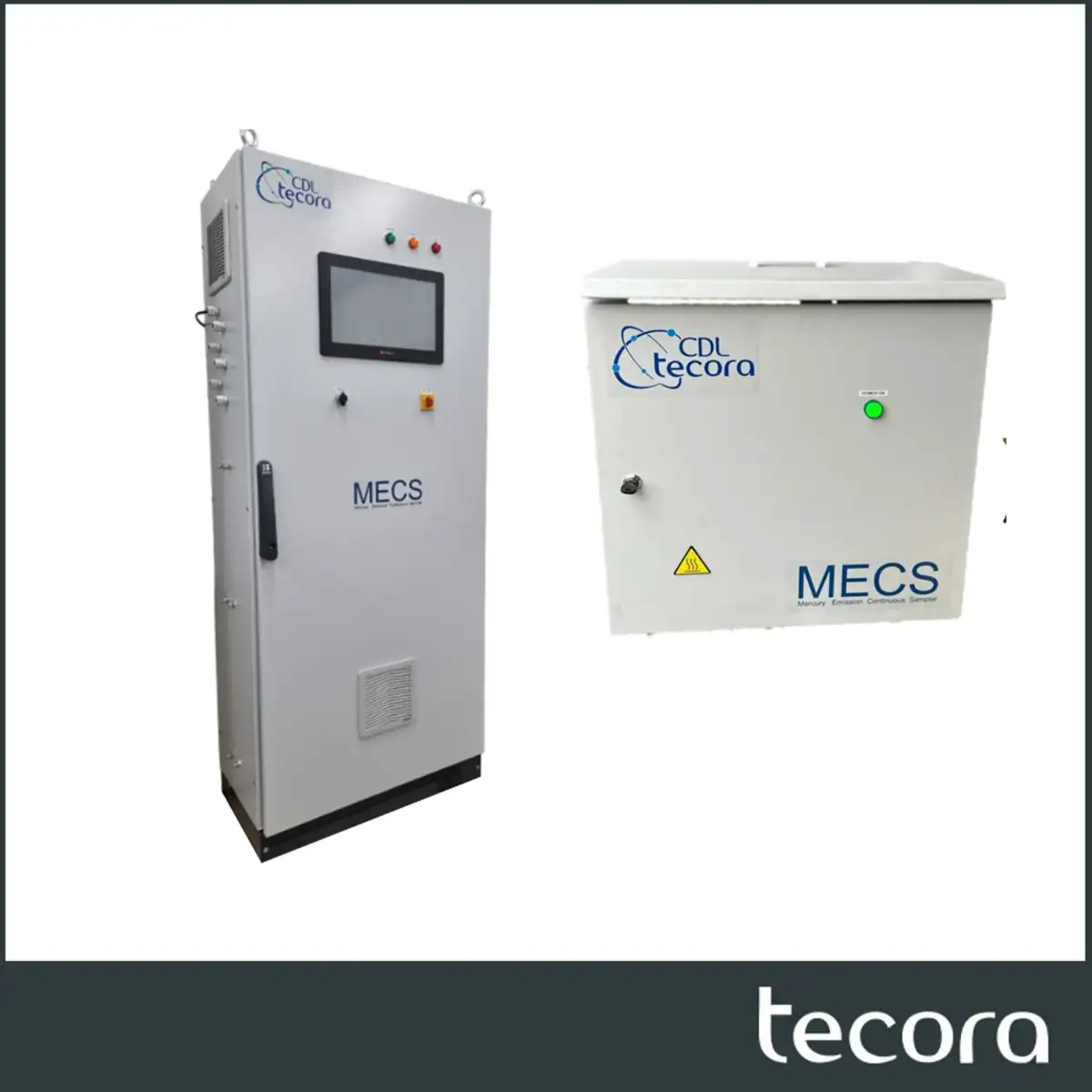
MECS continuous mercury sampling system (view 2)Made in France
Emissions monitoring

Continuous Mercury Emissions Sampling – MECS

Continuous mercury sampling system for industrial emissions

CDL-Tecora's MECS (Mercury Emission Continuous Sampler) is the continuous mercury sampling solution for industrial stacks, compliant with the CEN TS 17286 standard. Fully automated and remotely controllable, it guarantees reliable measurements over long-duration campaigns.

View product
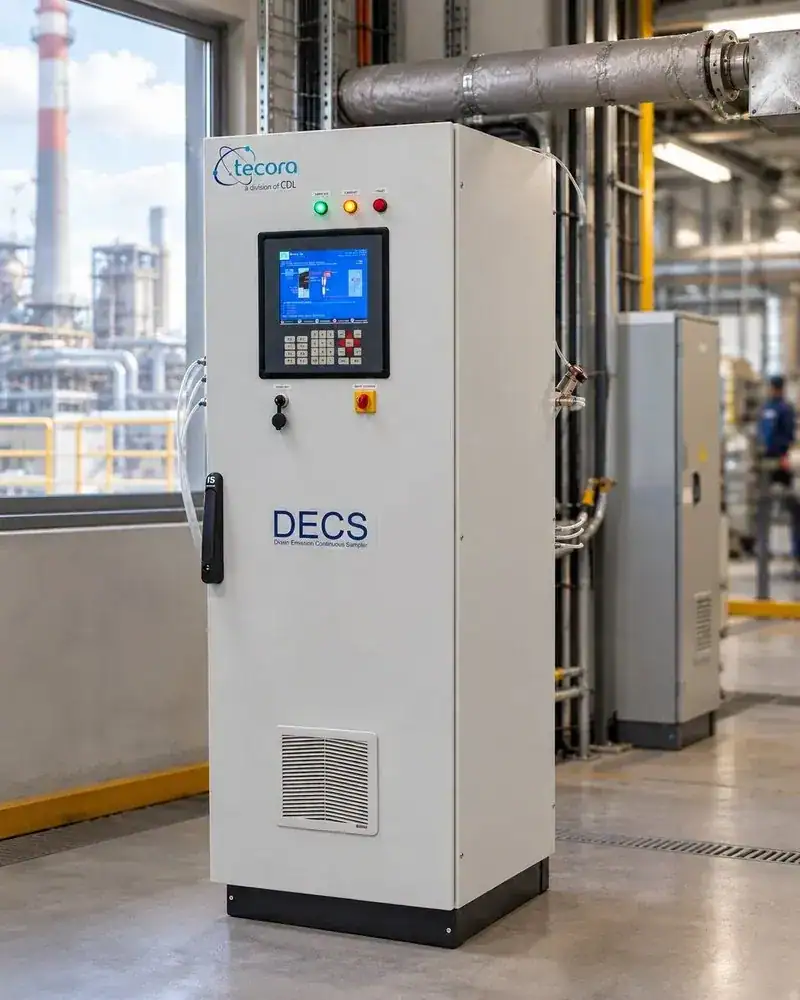
Continuous dioxin and furan sampler DECS (view 2)Made in France
Emissions monitoring

Continuous Dioxin and Furan Sampler – DECS

Continuous dioxin and furan sampler

The DECS is CDL-Tecora's solution for continuous sampling of emissions of dioxins, furans (PCDD/PCDF), PCBs and other persistent organic pollutants (POPs), compliant with EN 1948 and USEPA Method 23.

View product
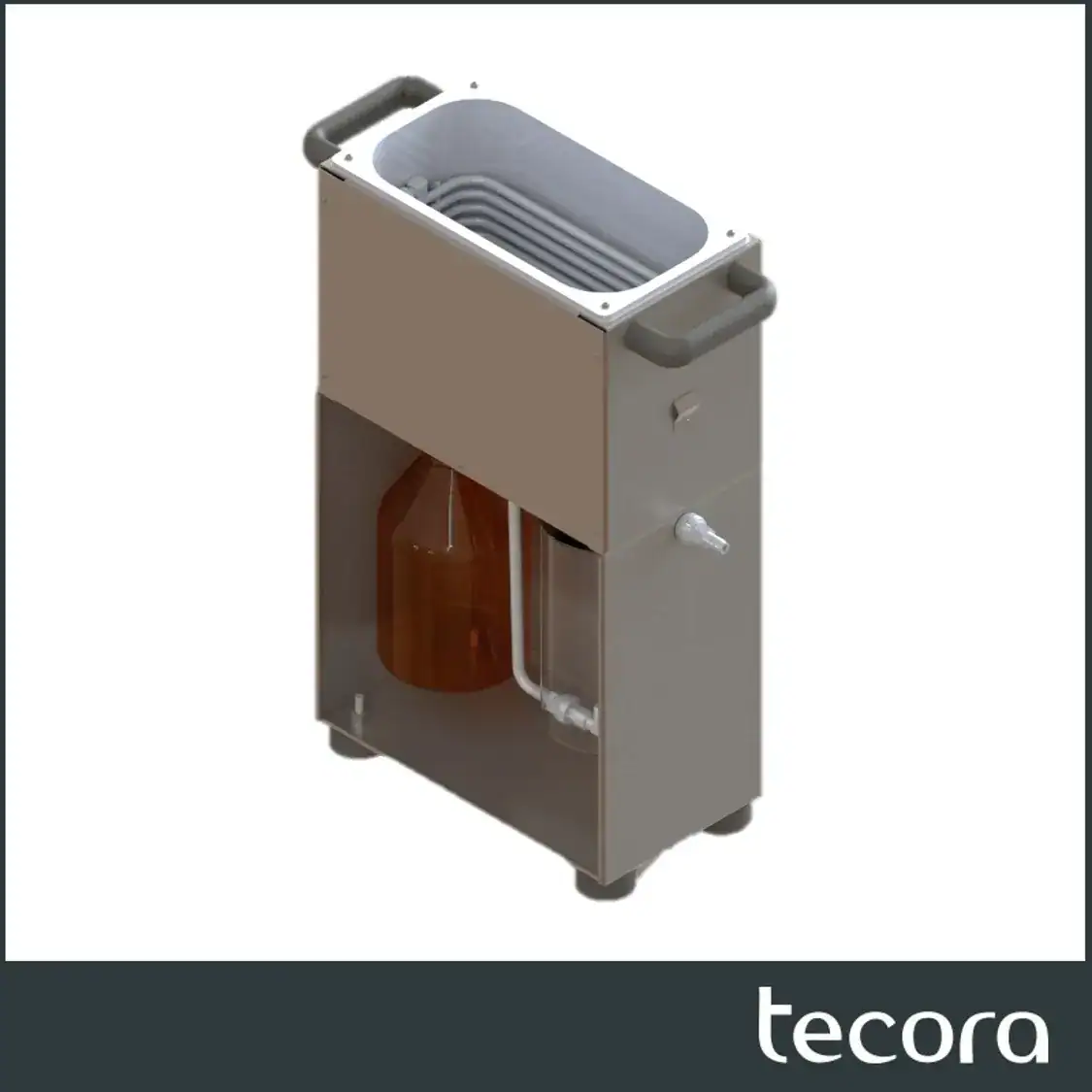
EmiTest Guard gas drying and conditioning system — industrial emissions measurement, CDL-TecoraMade in France
Emissions monitoring

Gas Drying and Conditioning System – EmiTest Guard

Gas drying and conditioning system before sampling

The EmiTest Guard is CDL-Tecora's gas drying and conditioning system, designed to remove water vapour from gaseous effluents before their transfer to the sampling devices. Its compact all-in-one design combines cooling, condensate recovery and final drying.

View product
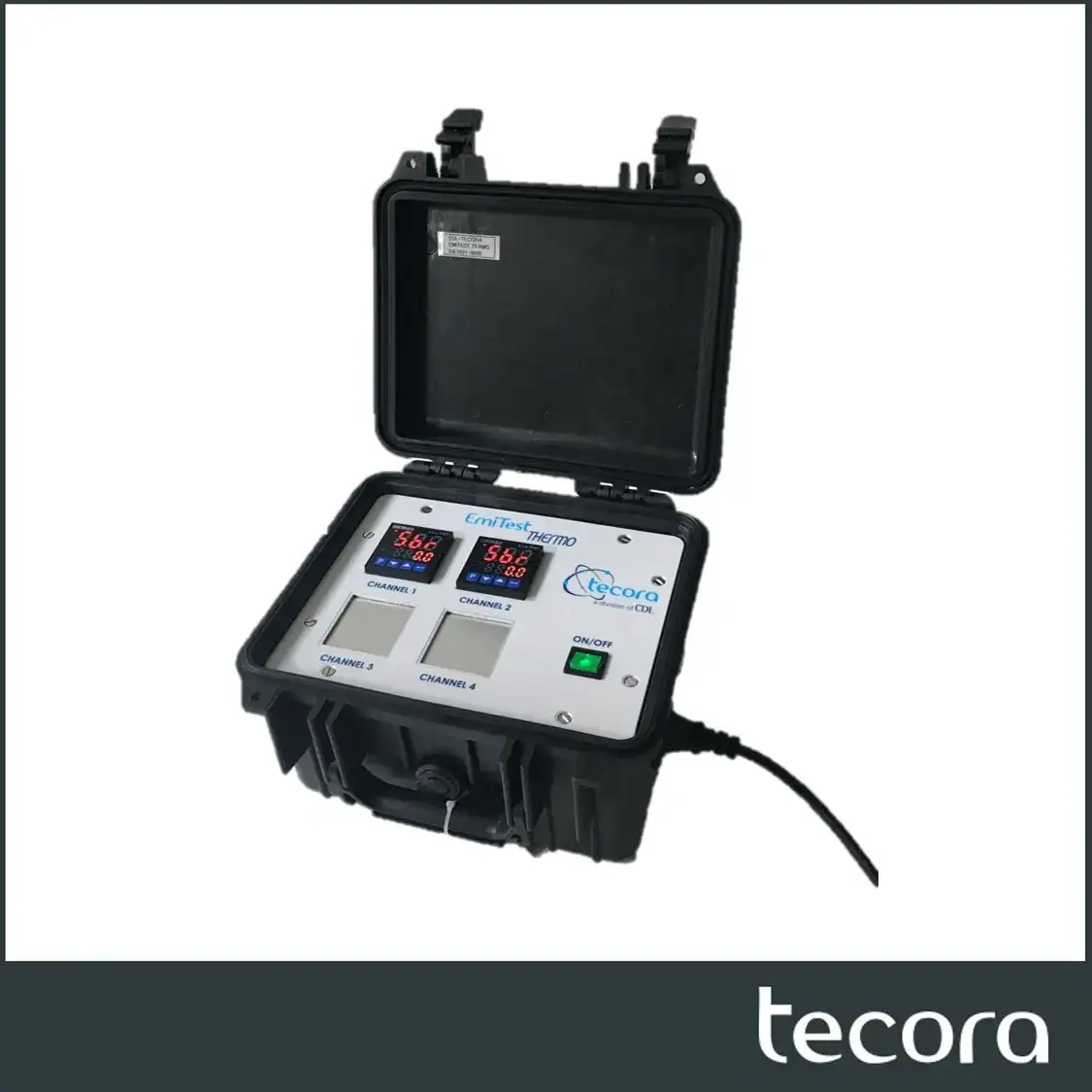
EmiTestThermo temperature controller — industrial emissions measurement, CDL-TecoraMade in France
Emissions monitoring

Temperature Controller – EmiTest Thermo

Temperature controller for heated probes and sampling lines

The EmiTestThermo is the CDL-Tecora temperature controller dedicated to the precise control of heated equipment in gas and particulate sampling chains. It limits condensation and preserves the integrity of samples until they are analysed.

View product
Frequently asked

FAQ

Questions about this topic? Here are the most common answers.

Another question?
What is the difference between QAL2 and AST?

QAL2 is a full on-site calibration campaign, typically carried out every three years, which establishes or revises a CEMS's calibration function from at least 15 pairs of parallel measurements with the reference method, spread over several days. The AST is a lighter annual check, carried out in years when QAL2 is not due, which verifies over a single day and with a minimum of 5 pairs of measurements that the calibration function established at the last QAL2 remains valid, without establishing a new one.

Who can carry out a QAL2 campaign or an AST in France?

These campaigns must be carried out by a body accredited by COFRAC under the LAB REF 22 framework ("Air quality: Stationary source emissions"), which specifically covers QAL2 and AST procedures within the meaning of EN 14181. The operator itself is not authorised to carry out these external checks, unlike QAL3, which falls directly under its responsibility.

What happens if an AST reveals that the calibration function is no longer valid?

If the AST shows a significant deviation between the CEMS and the reference method relative to the calibration function established at the last QAL2 campaign, a new full QAL2 campaign must be started before the instrument can continue to be used for regulatory compliance purposes, regardless of the originally planned three-year schedule.

Why use method B rather than method A to calculate the QAL2 calibration function?

Method A (linear regression) requires sufficient spread in the values obtained by the reference method to produce a statistically significant correlation line. When all the data pairs are above 15% of the emission limit value but without sufficient spread (typically at an installation whose operation is very stable during the campaign), method B, which applies a single correction factor calculated as the mean ratio between the two series of measurements, is used instead.

Is the QAL2 variability test always a guarantee of reliability?

The variability test verifies that the uncertainty calculated at the emission limit value remains below the maximum threshold set by the IED. It has a limitation known to practitioners: when the actual concentrations measured during the campaign are far below the limit value, this test tends to be passed almost systematically, even in the presence of scattered data, a point to keep in mind when reading a QAL2 report, without this invalidating the formal procedure.

Must an operator carry out QAL3 every day?

The frequency of QAL3 checks (zero and span verification) depends on the type of instrument and the parameter monitored, generally ranging from daily to weekly. What is systematic, however, is plotting each result on a statistical control chart (Shewhart, CUSUM or EWMA) and reacting correctively as soon as an alert limit is crossed, the regularity of monitoring mattering as much as its raw frequency.

Does CDL-Tecora manufacture CEMS subject to QAL1 certification?

No. CDL-Tecora designs manual sampling instruments (isokinetic probes, gas conditioning systems, dioxin and mercury samplers) that implement the manual reference methods used to calibrate and check CEMS during QAL2 and AST campaigns. QAL1/EN 15267 certification concerns the manufacturers of continuous analysers themselves, a distinct category of players.

How long is a QAL1/EN 15267 certification valid?

A QAL1 certification is issued for a given instrument model, within a defined measuring range and uncertainty class, with no intrinsic time limit as long as the model does not change. It conditions the operator's choice of instrument, but in no way exempts the operator from the QAL2 campaign subsequently carried out at the installation site, which remains essential to validate the instrument's actual performance under its specific operating conditions.

Does a change to the industrial process require a QAL2 to be redone?

Yes, as a general rule: a substantial change in the fuel used, the combustion process or the flue gas treatment system can alter the gas matrix and the conditions under which the AMS was calibrated at the previous QAL2. Such a change should trigger a new QAL2 campaign rather than waiting for the theoretical three-year deadline or the next AST to find the deviation.

A question on this topic? Our experts can help.

Personalised advice and a fast quote for your measurement project.