The Wobbe index: definition and purpose
The Wobbe index is calculated as W = GCV / √relative density. It compares the energy delivered by different gases and ensures they are interchangeable in combustion systems: at an equivalent Wobbe index, a burner delivers comparable power.
Measuring it continuously ensures stable combustion and compatibility between different gas sources.
Calorific value: GCV and NCV
The gross calorific value (GCV) takes into account the heat recovered by condensing the water vapour contained in the flue gas; the net calorific value (NCV) does not.
Calorific value (NCV/GCV) determines boiler efficiency and fuel consumption: an undetected change in gas quality means lower energy efficiency, more polluting emissions and unstable industrial burners.
The combustion air requirement index
The combustion air requirement index helps stabilise the flame, reduce unburnt matter and improve industrial safety. For gases of variable composition, it continuously drives the burner air/gas ratio. See also our article on [upstream gas analysis for combustion control](/en/ressources/blog/analyse-gaz-continue-amont-regulation-combustion/).
Continuous measurement: NGCA and IGCA
Two CDL-Tecora analyzers address this need:
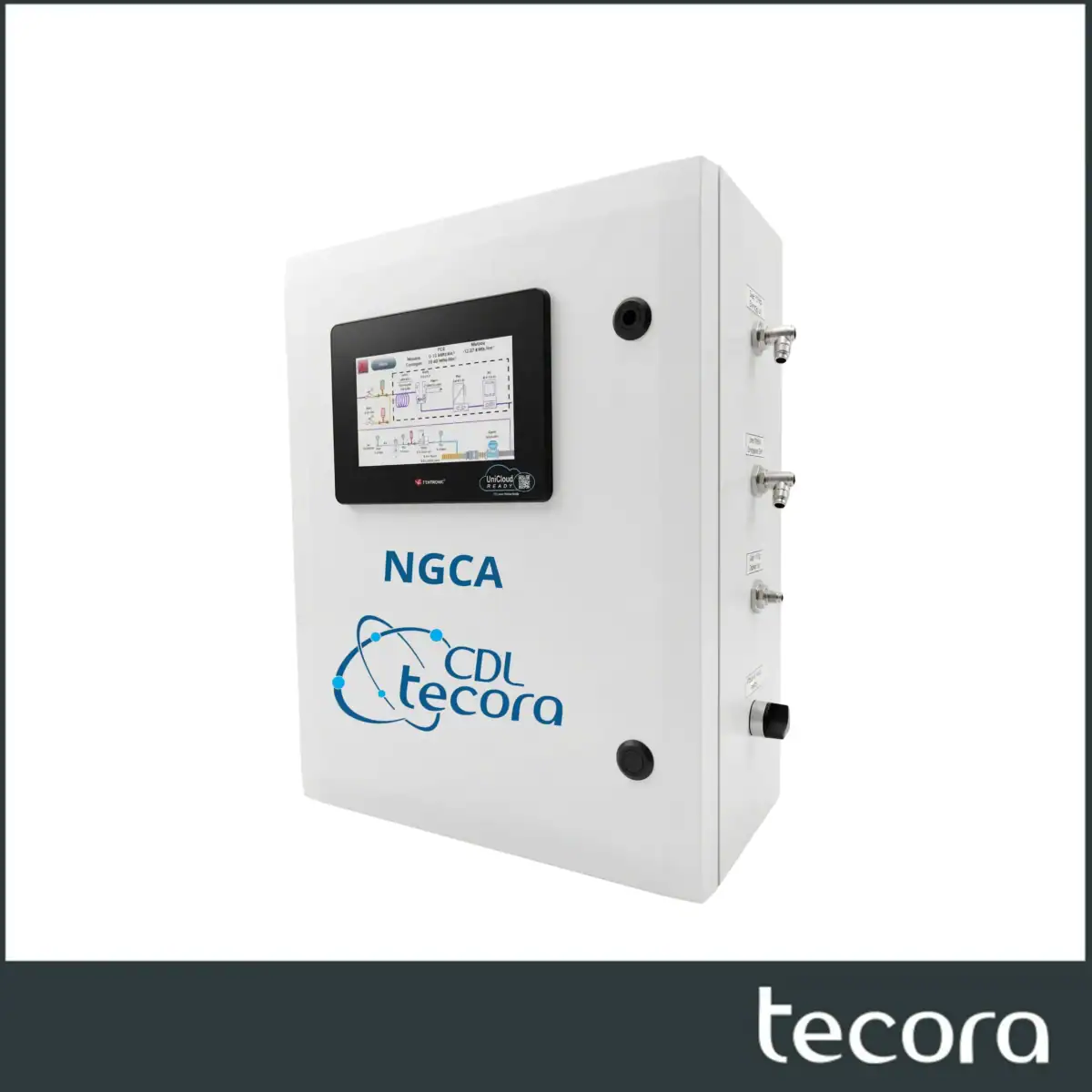
- the [NGCA natural gas analyzer](/en/produits/combustion/analyseur-qualite-gaz-naturel-pouvoir-calorifique-wobbe/) continuously measures the calorific value, Wobbe index and combustion air requirement index of natural gas; it is used in the glass industry, steelmaking, industrial ceramics, thermal power plants and gas distribution networks;
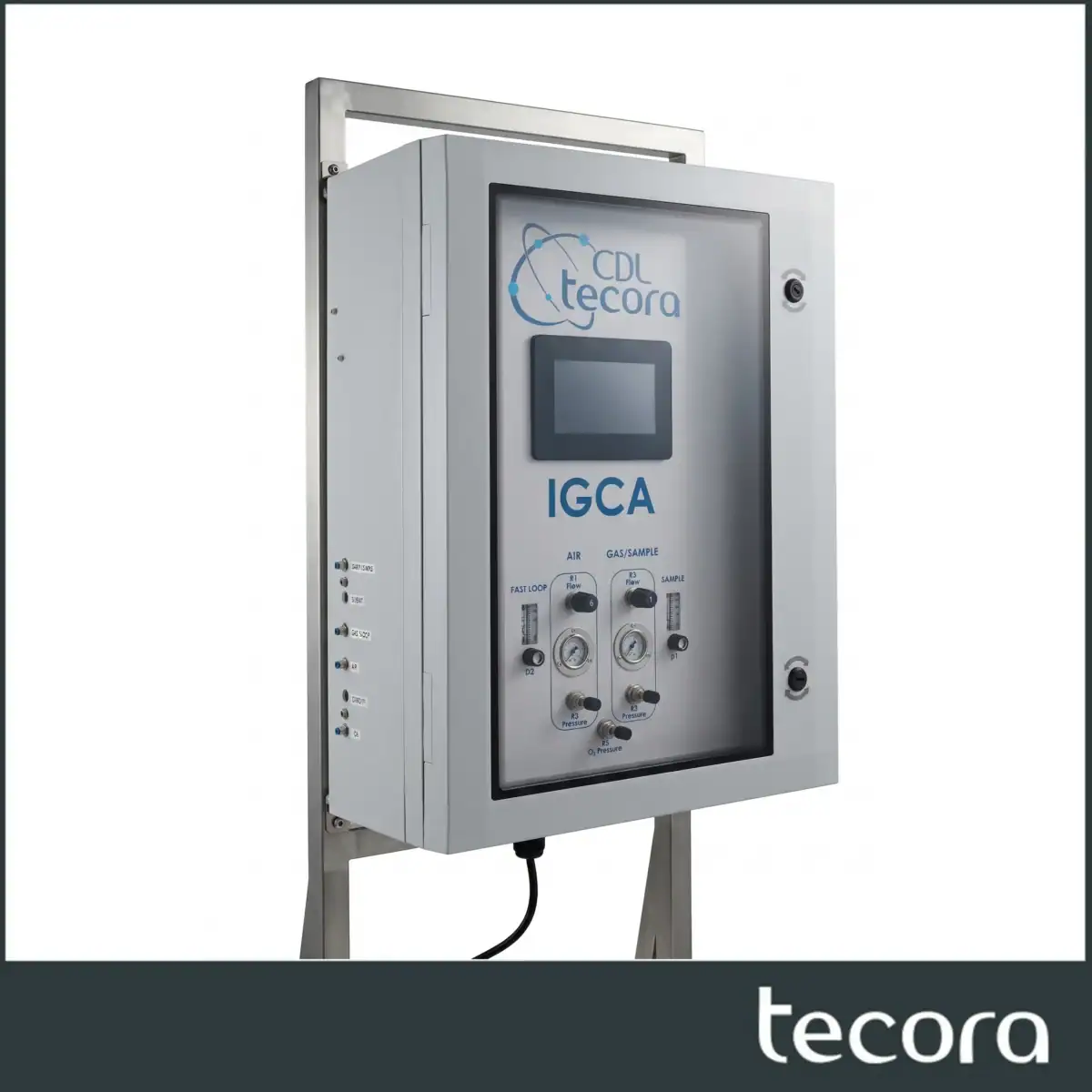
- the [IGCA combustion index analyzer](/en/produits/combustion/analyseur-indice-wobbe-pouvoir-calorifique-gaz-industriel/) works by catalytic combustion of a known air/gas mixture and measurement of the residual oxygen with a zirconia cell; its response time is under 30 seconds and it suits natural gas, biogas, coke oven gas and blast furnace gas.