Why Downstream Analysis Is Not Always Enough
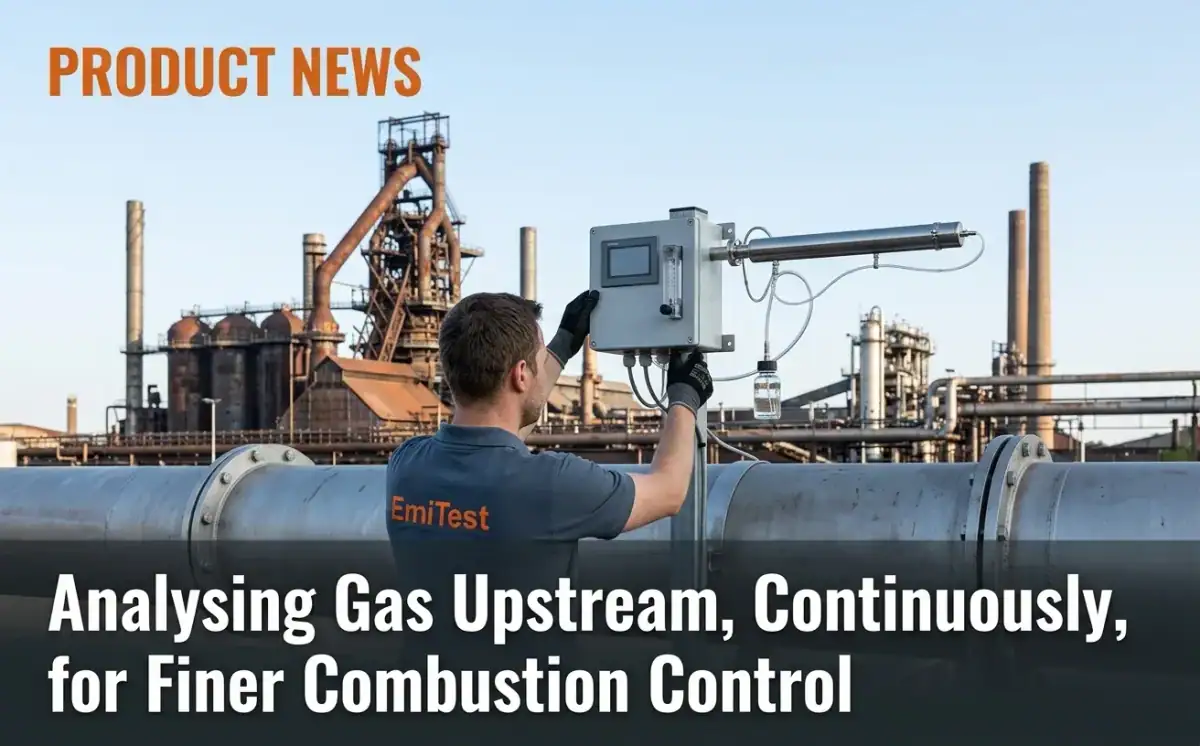
In installations that burn gases of variable composition — blast furnace gas, coke oven gas, biogas, refinery gas mixed with natural gas — controlling combustion solely from downstream analysis (on the flue gas) or from one-off upstream sampling amounts to controlling with a time lag or incomplete information. Yet industrial burners, furnaces and incinerators need continuous adjustment of the air/gas ratio to maintain stable combustion despite these variations in composition.
The Principle: Catalytic Combustion to Measure the Combustibility Index Continuously
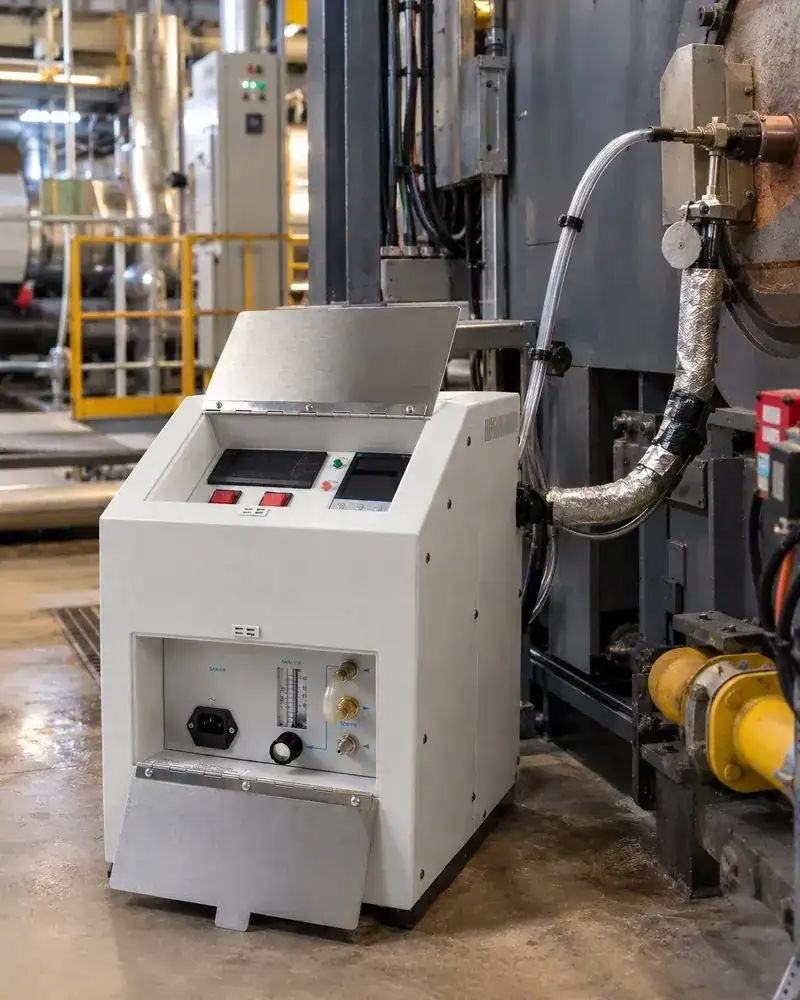
CDL-Tecora's continuous upstream analysis technology relies on the catalytic combustion of a sample of the gas mixture, combined with an oxygen sensor that measures the residual dioxygen after this controlled combustion. This measurement makes it possible to determine in real time the combustibility index (B/CARI), which controls the burner's air/gas ratio, in addition to the Wobbe index (interchangeability between gases) and the calorific value (GCV/NCV) that indicate the achievable flame temperature.