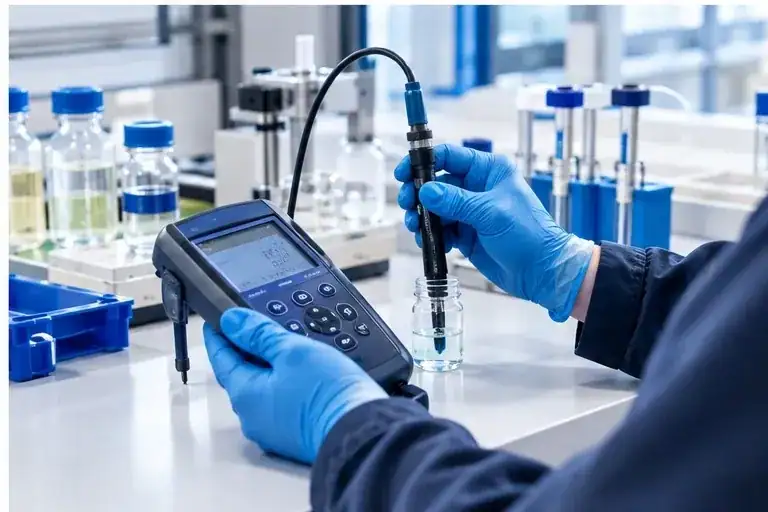
Hands holding a specific-electrode instrument for fluoride determination — CDL-Tecora

Acid gases (HCl, HF, SO2)

US EPA Method 13A: Total Fluoride Emissions

American isokinetic method for determining total fluoride (gaseous and particulate) by specific-ion electrode

US EPA Method 13A is an American reference method for determining total fluoride emissions (gaseous and particulate forms, expressed as HF) in stationary source emissions, in particular for processes involving hydrofluoric acid or fluorinated raw materials (aluminium, phosphate and glass production, cement works). The fluoride captured is quantified by a fluoride ion-specific electrode (SIE).

Key figures

  • US EPA Method 13AStandard
  • Specific-ion electrode (SIE)Analysis
  • Method 13B (colorimetry)Alternative
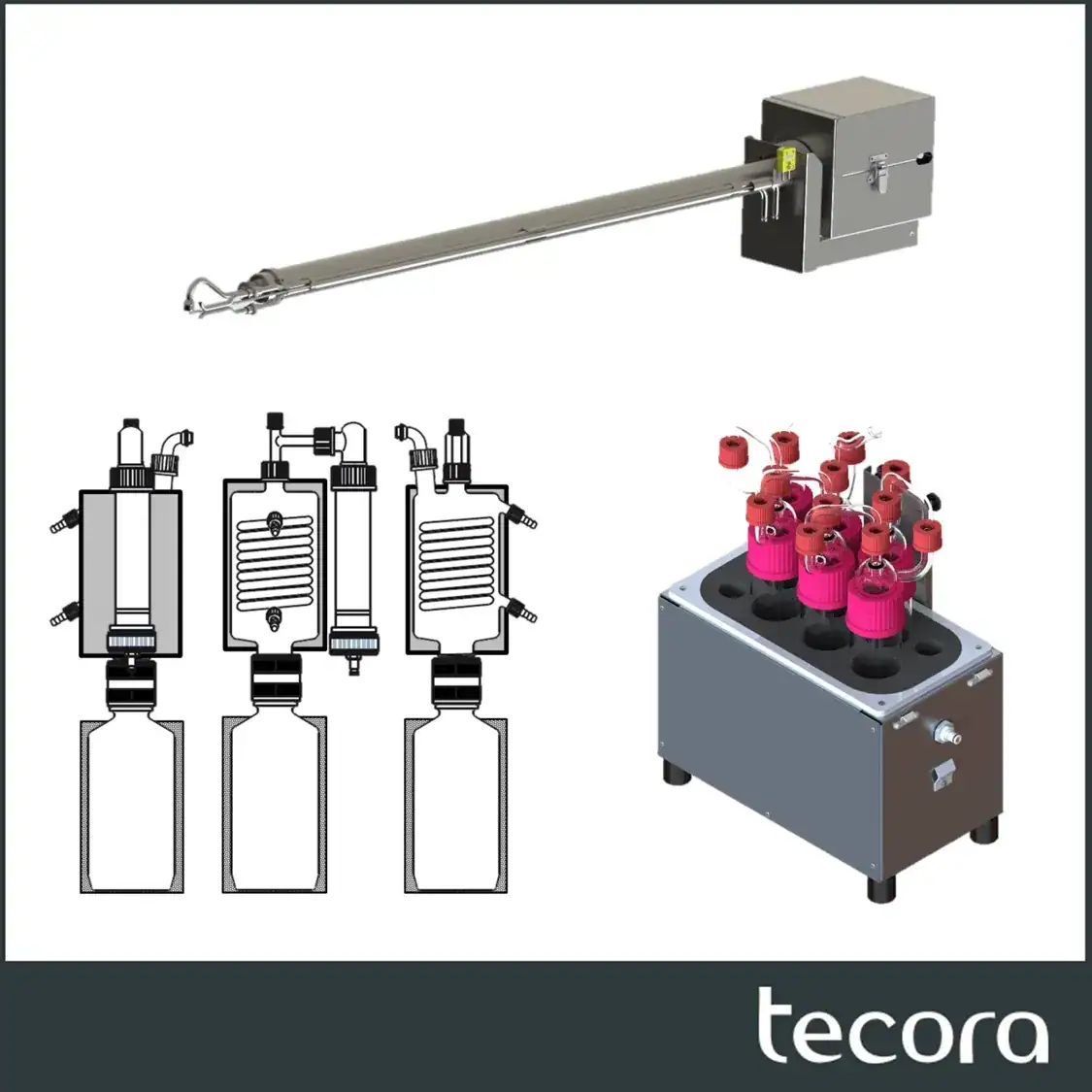
The Method 13A sampling train uses an isokinetic architecture similar to that of the particulate methods (Method 5/17): a heated filter retains the particulate fraction of fluoride, while a series of wash bottles containing a dilute sodium hydroxide (NaOH) solution captures the gaseous fraction (HF). After sampling, the filter and the impinger solutions are combined and then subjected to distillation, which removes interfering ions (notably aluminium and iron, which can complex fluoride and skew its reading) before the final analysis.

Total fluoride, gaseous and particulate

Heated filter for the particulate fraction, NaOH bubbling for the gaseous fraction (HF)

Isokinetic sampling

Same logic as for dust and heavy metals

Determination by specific-ion electrode (SIE)

After a distillation step that removes interferences (aluminium, iron)

Colorimetric alternative (Method 13B)

Same sampling train, different analytical finish (SPADNS method)

On the ground

Points to watch

Respect the isokinetic ratio

As with any train derived from Method 5, a poorly adjusted suction rate biases the particulate fraction captured on the filter.

Do not skip the distillation step

Without prior distillation, interfering ions such as aluminium or iron can complex fluoride and skew the reading of the specific-ion electrode.

Check which analytical finish is required

The applicable reference may accept either Method 13A (specific-ion electrode) or Method 13B (SPADNS colorimetry), or require one in particular.

Go further

Related standards

Frequently asked

FAQ

Questions about this standard? Here are the most common answers.

Another question?
What does US EPA Method 13A measure?

It determines total fluoride emissions, in gaseous (HF) and particulate form, in stationary source emissions, by isokinetic sampling and determination with a fluoride ion-specific electrode.

Why is a distillation step needed before analysis?

Certain ions present in the sample, notably aluminium and iron, can complex fluoride and bias the reading of the specific-ion electrode. Distillation removes them before the final determination.

What is the difference between Method 13A and Method 13B?

Both methods share the same isokinetic sampling train. Only the analytical finish differs: fluoride ion-specific electrode (SIE) for 13A, colorimetric determination by the SPADNS method for 13B.

Is this method used in Europe?

There is no strictly standardised European equivalent in EN form for total fluoride in channelled emissions comparable to Method 13A; European requirements most often rely on national methods or adaptations of the isokinetic principles common to the EN standards for particulates and metals.

Preparing a measurement campaign? Our experts can help.

Personalised advice, a fast quote and technical support to choose the right instrument for this standard.