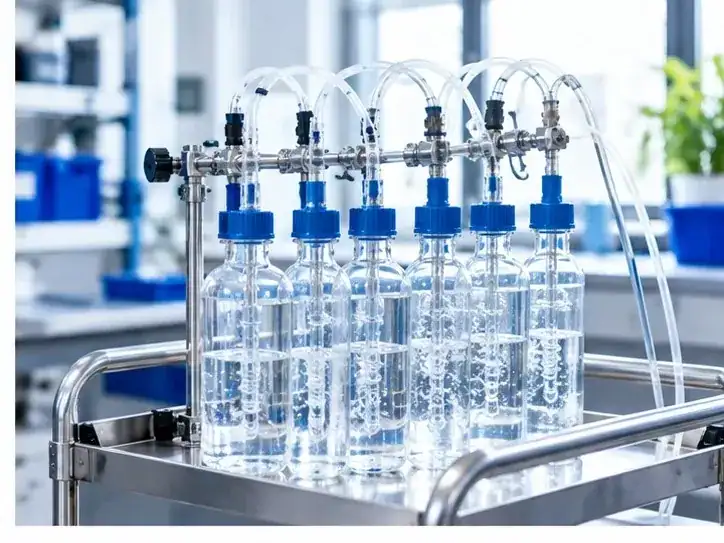
Impingers filled with absorbing solution on a sampling trolley — CDL-Tecora

Heavy metals · International equivalences

US EPA Method 29: Metals Emissions (Including Mercury)

American isokinetic reference method for heavy metals, including mercury in the same sampling train

US EPA Method 29 is the American reference method for the isokinetic determination of metals emissions from stationary sources. Structurally close to EN 14385, it differs by a wider scope: mercury is included in the same sampling train, whereas in Europe it is covered by a separate standard and campaign, EN 13211.

Key figures

  • US EPA Method 29Standard
  • ICP-MS + CVAAS (mercury)Analysis
  • EN 14385 + EN 13211EU equivalent
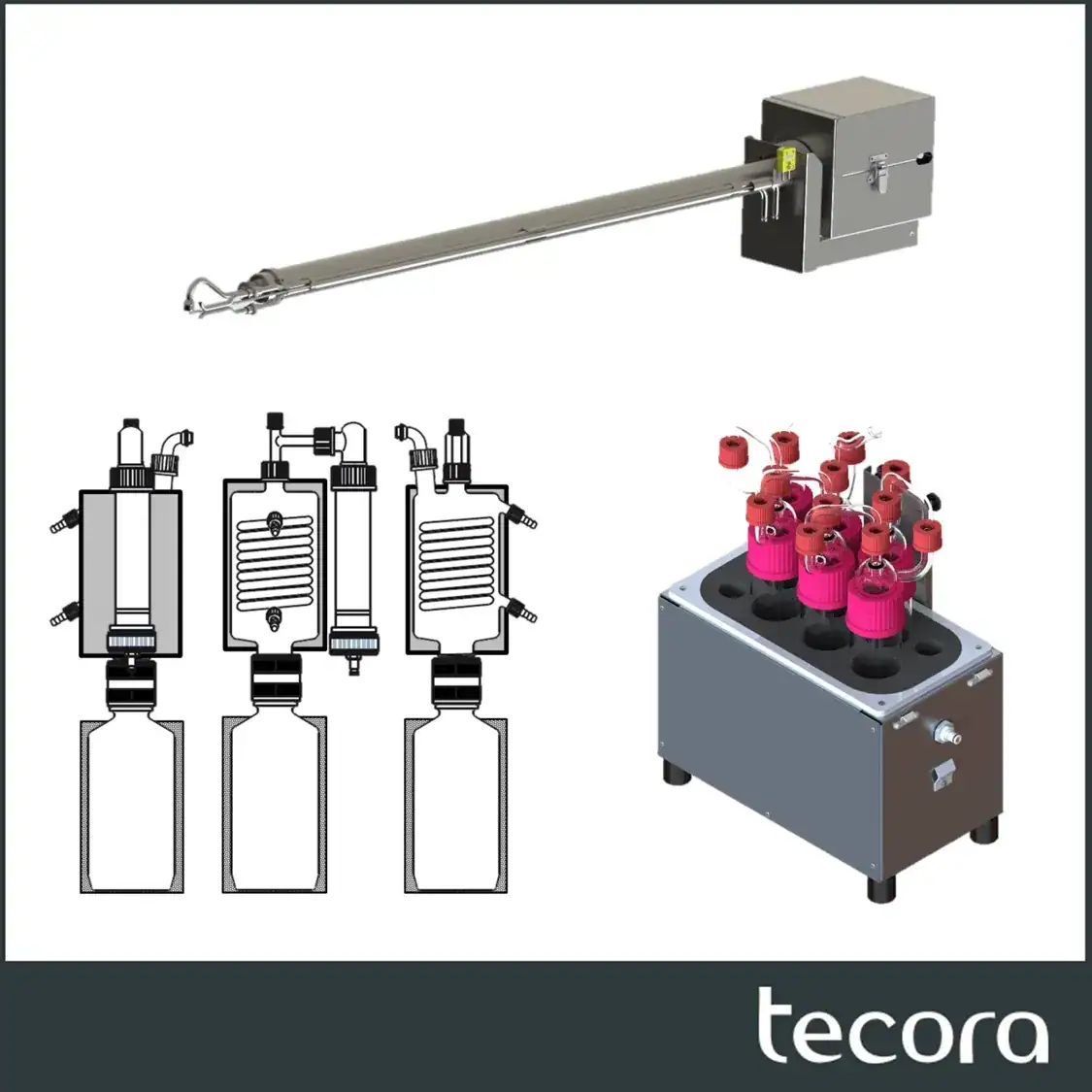
The Method 29 sampling train uses the isokinetic architecture of EN 14385: a heated filter retains the particulate fraction of the metals, followed by a series of wash bottles containing an oxidising acidic absorbing solution (nitric acid and hydrogen peroxide) that captures the gaseous/vapour fraction. The major structural difference lies in the addition, after these impingers, of bottles dedicated specifically to mercury, containing a solution of potassium permanganate and sulphuric acid (KMnO4/H2SO4): mercury is thus captured and quantified in the same campaign as the other metals, rather than in a separate train.

Mercury included in the same train

Unlike the European approach, which separates EN 14385 (metals) and EN 13211 (mercury)

Multi-fraction isokinetic sampling

Heated filter, oxidising acid bubbling for metals, dedicated mercury bubbling (KMnO4/H2SO4)

Multi-technique analysis

AAS, ICP-OES or ICP-MS for metals, CVAAS/CVAFS for mercury

American equivalent of EN 14385

Same isokinetic sampling and acid digestion logic, with the scope extended to mercury

On the ground

Points to watch

Do not transpose a European campaign organisation as is

Where EN 14385 and EN 13211 require two separate sampling trains, Method 29 combines metals and mercury in a single train.

Properly isolate the stage dedicated to mercury

The KMnO4/H2SO4 bottles must remain separate from the impingers for the other metals so as not to contaminate the cross results.

Check the exact list of metals targeted

The list of elements covered may vary according to the American sector regulation (NESHAP/MACT) that cites Method 29.

Go further

Related standards

Frequently asked

FAQ

Questions about this standard? Here are the most common answers.

Another question?
Why does Method 29 include mercury when EN 14385 excludes it?

It is an organisational choice specific to each reference: Method 29 adds bottles dedicated to mercury (KMnO4/H2SO4) in the same train as the other metals, whereas in Europe mercury is covered by a separate standard and campaign, EN 13211.

Which metals does Method 29 cover?

The exact list depends on the American sector regulation that cites the method, but typically covers a family close to that of EN 14385, to which mercury is added.

How is mercury analysed after sampling?

The mercury fraction, captured in bottles dedicated to potassium permanganate and sulphuric acid, is analysed by cold vapour atomic absorption or fluorescence spectrometry (CVAAS/CVAFS), the same family of techniques as for EN 13211 samples.

What should an industrial group operating under both jurisdictions check?

That the logistics of an American Method 29 campaign do not transpose directly to Europe: mercury must be planned there as a full EN 13211 sampling line, in addition to the EN 14385 campaign for the other metals.

Preparing a measurement campaign? Our experts can help.

Personalised advice, a fast quote and technical support to choose the right instrument for this standard.