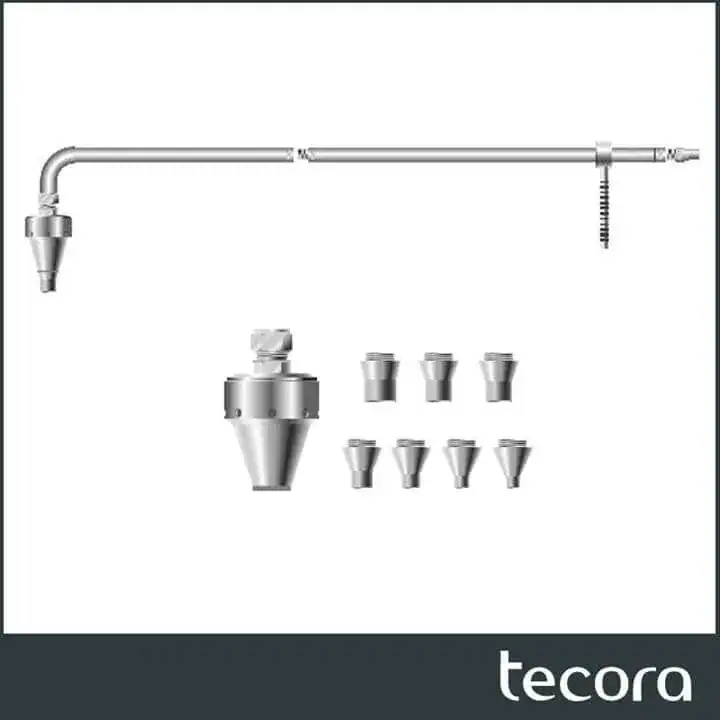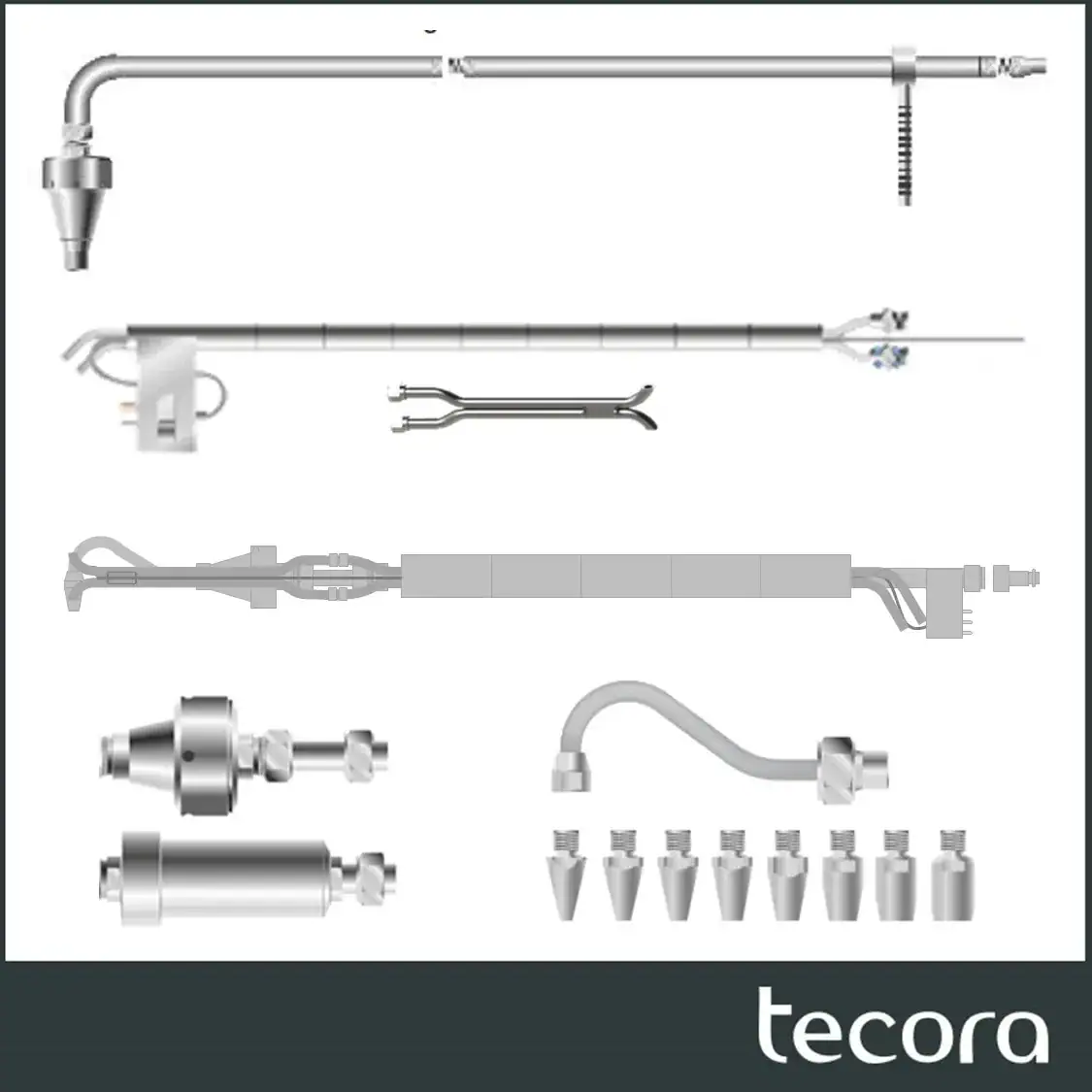
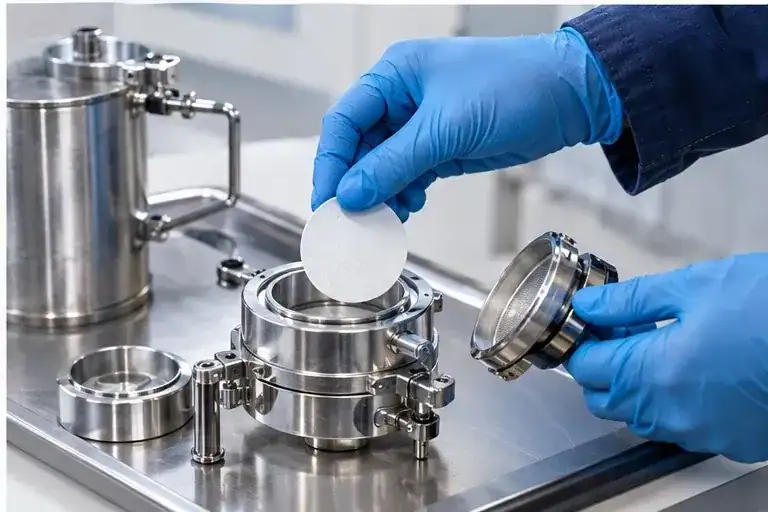
Gloved hands loading a glass-fibre filter into an in-stack filter holder — CDL-Tecora

Dust & particulates · International equivalences

US EPA Method 17: Particulate Matter by In-Stack Filtration

American isokinetic method for determining dust by filtration directly inside the duct

US EPA Method 17 is the American reference method for determining particulate matter in stationary source emissions by in-stack filtration: the filter is positioned directly inside the duct rather than in an external heated housing. For the American framework, it plays a role comparable to that of EN 13284-1 and ISO 9096 in Europe.

Key figures

  • US EPA Method 17Standard
  • In-stack filtrationPrinciple
  • EN 13284-1 / ISO 9096Equivalences
The Method 17 principle follows the classic isokinetic architecture (probe, nozzle sized to the local gas velocity, tared filter weighed before and after drying) but positions the filter directly inside the duct, immediately behind the sampling nozzle, rather than in an external heated housing connected by a transfer line as in classic Method 5. This in-stack configuration avoids losses through condensation or deposition on a transfer line, but assumes that the temperature and humidity of the duct remain compatible with the filter medium, with no risk of condensation along the path of the filter itself.

Filtration directly in the stack

No external heated housing, unlike classic Method 5

Isokinetic sampling

Same principle as EN 13284-1 and ISO 9096

Choice determined by the nature of the effluent

Suited to ducts with no risk of condensation along the filter path

Equivalent to EN 13284-1 / ISO 9096

The three methods rely on an almost identical measurement principle

On the ground

Points to watch

Check that the duct is compatible with in-stack filtration

The temperature and humidity of the effluent must rule out any risk of condensation along the filter path.

Take care over the sampling plan

The number and position of measurement points follow the same rigour as for any isokinetic method (EN 15259 or the American equivalent).

Confirm the method required by the supervisory authority

Method 17, EN 13284-1 and ISO 9096 are largely equivalent, but a site must check which one is explicitly required.

Go further

Related standards

Frequently asked

FAQ

Questions about this standard? Here are the most common answers.

Another question?
What does US EPA Method 17 measure?

It determines the mass concentration of particulate matter in stationary source emissions, by isokinetic sampling and filtration carried out directly inside the duct.

What is the difference from Method 5?

Method 5 filters the sample in an external heated housing connected by a transfer line, whereas Method 17 places the filter directly in the duct, just behind the sampling nozzle.

Is Method 17 equivalent to EN 13284-1 and ISO 9096?

Yes, the three methods rely on an almost identical isokinetic sampling and gravimetric weighing principle, and are commonly cited together by sampling equipment manufacturers operating internationally.

When is in-stack filtration preferable?

It suits dry effluents with no risk of condensation along the filter path. Where there is moisture or a risk of condensation, out-of-stack filtration in a heated housing remains preferable.

Preparing a measurement campaign? Our experts can help.

Personalised advice, a fast quote and technical support to choose the right instrument for this standard.